• About UGM
  • Academic Portal
  • IT Center
  • Library
  • Research
  • Webmail
  • Informasi Publik
  • English
    • Indonesia
Universitas Gadjah Mada Faculty of Cultural Sciences
Universitas Gadjah Mada
  • Home
  • Profile
    • History
    • Vision and Mission
    • Organizational structure
    • Administration
    • Staff
    • Faculty Members
  • Academic
    • Academic Calendar
    • Undergraduate Programs
      • Bachelor of Cultural Antrophology
      • Bachelor in Archaeolagy
      • Bachelor in History
      • Bachelor in Tourism
      • Bochetor in Korean Language and Culture
      • Bachelor in Indonesian Language and Culture
      • Bachelor in English
      • Bachelor in Arabic
      • Bachelor in Japanese Language and Culture
      • Bachelor in Javanese Language, Literature and Culture
      • Bachelor in French language and literature
    • Graduate Programs
      • Master in Antrophology
      • Master in ArchaeoIogy
      • Master in History
      • Master in Linguistics
      • Master in Literature
      • Master In American Studies
      • Master in Middle Eastern Cultural Studies
    • Post-Graduate Programs / S3
      • Doctor in Antropology
      • Doctor in American Studies
      • Doctor in Humanities
    • Student Service
  • KPPM
    • Research Information
    • Scientific / Academic Publications
    • Community Service
    • International Cooperation
    • Domestic Cooperation
  • Student Organizations
    • Student Executive Council
    • Semi-Autonomous Organizations
      • KAPALASASTRA
      • Christian Student Alliance
      • LINCAK
      • Saskine
      • Catholic Student Family
      • Dian Budaya
      • Sastra Kanuragan (sasgan)
      • Family of Muslim Cultural Sciences Students (KMIB)
      • Bejo Mulyo
    • Autonomous Organizations
      • Family of Anthropology Students (KEMANT)
      • English Department Student Association
      • Tourism Students Association (HIMAPA)
      • Family of Indonesian Literature Students (KMSI)
      • West Asian Literature Student Association (IMABA)
      • Association of Korean-Language Students (HIMAHARA)
      • Family of Regional Indonesian Literatures Students (KAMASUTRA)
      • The Family Body of History Students (BKMS)
      • The French Literature Students Association (HMSP)
      • Family of Anthropology Students
      • Japanese Student Association (HIMAJE)
  • Admission
    • Student Evaluation
  • Home
  • SDGs 17: Partnerships for the Goals
  • SDGs 17: Partnerships for the Goals
  • page. 24
Arsip:

SDGs 17: Partnerships for the Goals

Safranbolu, UNESCO World Heritage City from Turkiye, Presented at FIB UGM

News ReleaseSDGs 11: Sustainable cities and communitiesSDGs 12: Responsible consumption and productionSDGs 15: Life on landSDGs 17: Partnerships for the GoalsSDGs 8: Decent work and economic growth Wednesday, 1 October 2025

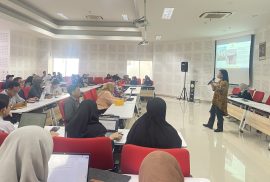
Yogyakarta, September 2, 2025 – The Undergraduate Tourism Program, Faculty of Cultural Sciences, Universitas Gadjah Mada, held an international guest lecture under the ERASMUS+ Staff Mobility program with the theme “Sustainability and Sustainable Practices in Tourism Enterprises.” The lecture featured Assoc. Prof. Halime Göktas Kulualp from Karabük University, Turkiye, shared valuable insights through the case study of Safranbolu, a UNESCO World Heritage City recognized since 1994.

In her presentation, Prof. Kulualp described Safranbolu as a small but historically rich town in Karabük Province, located in the Black Sea region of Turkiye. For centuries, it served as an important stop on the ancient Silk Road, a trade route connecting Asia and Europe. The town has witnessed the presence of great civilizations, including the Hittites, Romans, and Byzantines, and reached its golden age under the Ottoman Empire. During this period, caravanserais such as the famous Cinci Han were established to host merchants and travelers passing through the region.

What makes Safranbolu truly unique is its remarkable Ottoman architecture. The town is renowned for its traditional houses, many of which are more than 300 years old, characterized by whitewashed walls, wooden frames, large windows, and private courtyards. These houses are living examples of how Turkish people once lived. Beyond its architecture, Safranbolu is also surrounded by natural beauty, with stunning sites like Tokatl Canyon and Bulak Caves attracting both domestic and international visitors.

The name Safranbolu comes from “saffron,” a rare and precious spice that grows in the area, combined with the name of the nearby region, Bolu. This name reflects the city’s cultural identity and historical wealth. UNESCO’s recognition highlights Safranbolu’s authenticity, integrity, and its importance as a living heritage for humanity. According to Prof. Kulualp, Safranbolu’s success in preserving its cultural legacy while embracing tourism offers an inspiring example of how heritage conservation and sustainable development can go hand in hand.

Through this guest lecture, UGM Tourism students were encouraged to see tourism not only as an economic activity but also as a responsibility to safeguard cultural heritage. The story of Safranbolu reminds us that sustainability in tourism is essential to protect history while ensuring benefits for local communities and future generations.

[Public Relations of FIB UGM, Candra Solihin]

Building a Writing Habit: American Studies UGM Launches Focused Writing Workshop

News Release Wednesday, 1 October 2025

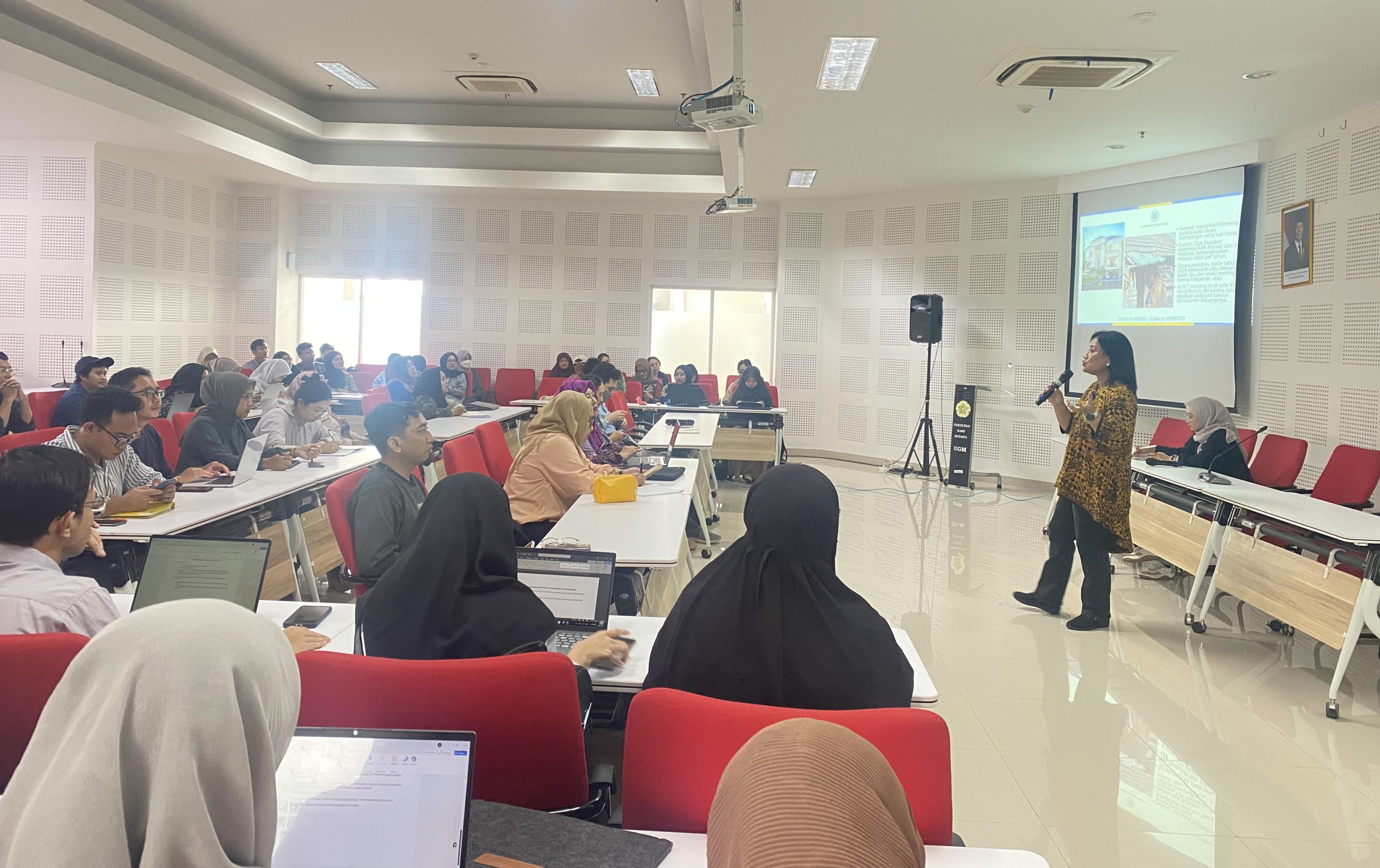
Monday, September 29, 2025 – The American Studies Program, Faculty of Cultural Sciences, Universitas Gadjah Mada, held a Focused Writing Workshop on Monday, September 29, 2025, from 1:30 to 3:30 PM (WIB) via Zoom Meeting. The workshop was led by Dr. Ashika Prajnya Paramita, M.A. and attended by undergraduate, master’s, doctoral students, as well as staff members of the Faculty of Cultural Sciences.

The workshop was designed to provide a supportive writing community where participants could focus on completing various academic projects, ranging from theses, articles, assignments, to research papers. Through this shared writing space, participants were encouraged to set clear writing goals, stay motivated, and engage in productive writing through structured sprints.

The workshop format consisted of two writing sessions, each lasting 40 minutes with a 10-minute break in between. In addition to the writing sessions, Dr. Ashika also facilitated discussions on the challenges faced by participants in their writing process and offered reviews of their works.

This activity is planned to be held regularly every month, serving as a sustainable platform to foster productive writing habits within the academic community of the Faculty of Cultural Sciences UGM.

[Public Relation of FIB UGM, Alma Syahwalani]

Arabic Literature Students of UGM Take Part in the UKBI Adaptive Trial

SDGs 17: Partnerships for the GoalsSDGs 4: Quality Education Tuesday, 30 September 2025

Yogyakarta, September 11, 2025 – The Center for Language and Literature Development, under the Agency for Language Development and Cultivation of the Ministry of Primary and Secondary Education, through the Language Office of the Special Region of Yogyakarta, held the UKBI Adaptive Trial on Thursday (9/11/2025). The event took place at Riss Hotel Malioboro, Yogyakarta, from 07.30 to 16.00 WIB.

The program aimed to test the Indonesian Language Proficiency Test (UKBI) questions that had previously been validated in the standardization process. UKBI is a national standardized test designed to measure Indonesian language proficiency, both spoken and written.

The event opened with remarks from the Head of the Center for Language and Literature Development or the Head of the Language Office, followed by technical guidance delivered by the UKBI team. Throughout the day, participants took part in two trial sessions: the first in the morning and the second in the afternoon.

This activity was attended by a wide range of participants, including lecturers and university students, high school and junior high school teachers and students, researchers, journalists, hotel staff, education office employees, translators, and legal practitioners. From Universitas Gadjah Mada, two Arabic Literature students from the 2023 cohort, Muhammad Candra Solihin and Pandhita Hapsari, also took part in the event. Their participation highlights the important role of young generations in maintaining and enhancing the quality of the Indonesian language.

It is expected that the results of this trial will provide valuable input for improving UKBI questions in the future, making them more adaptive and reflective of comprehensive standards of Indonesian language proficiency.

[Public Relations of FIB UGM, Candra Solihin]

Strategies for Writing Scopus Journal Articles: Urban Spirituality and the Reformulation of Sufi Rituals in the Class of Prof. Dr. Che Zarrina binti Sa’ari

SDGs 17: Partnerships for the GoalsSDGs 4: Quality Education Monday, 29 September 2025

On 23-24 September 2025, the Middle Eastern Cultural Studies Programme, Faculty of Cultural Sciences, Gadjah Mada University, held a Scopus-indexed scientific article writing class with the theme ‘Urban Spirituality and the Reformulation of Sufi Rituals’, led by Prof. Dr. Che Zarrina binti Sa’ari, a leading expert from the University of Malaya in the study of Islamic creed and thought. This class aims to provide practical insights on how to write quality scientific articles for Scopus-indexed international journals, with a focus on the topics of urban spirituality and the reformulation of Sufi rituals.

Prof. Dr. Che Zarrina explained the importance of choosing relevant and contemporary topics in the academic world, as well as how urban spirituality and Sufi rituals can be used as interesting subjects of study. She shared strategies on how to write a good scientific article, from topic selection to effective writing techniques, with an emphasis on the importance of clear methodology and valid references.

Participants were also provided with guidance on selecting the appropriate journal and structuring an article systematically, as well as tips for crafting an engaging and persuasive abstract. Prof. Zarrina also discussed common challenges in writing articles, such as dealing with criticism from journal reviewers and how to respond to feedback constructively.

The class concluded with a question-and-answer session that offered participants the opportunity to learn more about the process of writing scientific articles. It is hoped that this class will enrich participants’ skills in writing articles ready for publication in Scopus-indexed international journals, while also deepening their understanding of the importance of urban spirituality and Sufism studies within an academic context.

Author: Amanda Jesisca

Korindo Scholarship Awarding Ceremony for the Academic Year 2025/2026

News Release Monday, 29 September 2025

September 26, 2025 – The Korean Language and Culture Study Program at Universitas Gadjah Mada held the Korindo Foundation Scholarship Awarding Ceremony for the 2025/2026 academic year. The event was opened by the MC and the Talchum performance, followed by welcoming remarks from Suray Agung Nugroho, S.S., M.A., Ph.D., Vice Dean for Finance, Assets, and Human Resources of the Faculty of Cultural Sciences, and Setiyono, General Manager of the Korindo Foundation.

The ceremony continued with the announcement of the names of Korean Language and Culture students from the Faculty of Cultural Sciences who were selected as recipients of the Korindo Foundation Scholarship for the 2025/2026 academic year. The following students were awarded the scholarship:

  1. Alma Naya Kamila
  2. Anisa Setya Utami
  3. Febryani Dhea Khusnulia
  4. Mulya Ghefira Azzahra
  5. Oryza Sativa Rosyadi
  6. Raissa Aneswari

In addition to the announcement, the scholarship recipients also shared their gratitude and reflections:

“I am deeply grateful to the Korindo Foundation for its support. This scholarship is not only a financial aid but also a reminder and motivation to always study diligently. I hope the Korindo Foundation will continue to provide this valuable opportunity to other outstanding students in the future.” – Alma

“I sincerely thank the Korindo Foundation for this meaningful scholarship. This support motivates me to complete my studies with the best results, pursue my dreams, and make my parents proud. The scholarship will truly benefit my education and future career.” – Anisa Setya

“I feel very grateful and proud to be chosen as one of the Korindo Scholarship recipients. This support is a great motivation for me to study harder, develop my potential, and gain valuable experiences. I would like to express my heartfelt thanks to Korindo for the trust and support given. May this program continue and bring greater benefits to more students in the future.” – Febryani

“My deepest thanks to the Study Program and the Korindo Foundation for this precious opportunity. For me, this scholarship is a form of trust as well as a reminder that every small step I take matters. Although my journey is currently a bit slowed down due to health conditions, I want to keep moving forward with gratitude and responsibility, so that greater dreams can be achieved.” – Mulya

“I am very grateful to be selected as one of the scholarship recipients, and I truly appreciate the Korindo Foundation for providing this award. For me, the scholarship is not only financial support but also a form of encouragement and trust. This opportunity motivates me to keep learning and achieving. I hope this scholarship program will continue and inspire more students in pursuing their education.” – Oryza

“I feel proud and thankful to be chosen as one of the Korindo Foundation scholarship recipients. For me, this scholarship is not just financial support, but also a form of motivation and trust that drives me to study harder. I hope that in the future more students will benefit from Korindo’s scholarship program.” – Raissa

The event concluded with a group photo session featuring all scholarship recipients, representatives from the Korindo Foundation, the Faculty of Cultural Sciences’ leadership, and the Talchum performers. Through this event, the Korean Language and Culture Study Program hopes to continue strengthening its partnership with the Korindo Foundation in the years ahead.

(Aura Adiba // Sherina Azmi A.)

1…2223242526…67

Video UGM

[shtmlslider name='shslider_options']
Universitas Gadjah Mada

Faculty of Cultural Sciences
Universitas Gadjah Mada
Jl. Nusantara 1, Bulaksumur Yogyakarta 55281, Indonesia
   fib@ugm.ac.id
   +62 (274) 513096
   +62 (274) 550451

Work Units

  • Office of Journal & Publishing
  • INCULS
  • Information Technology and Database
  • Language Learning Center
  • Library Unit
  • Public Relations
  • Research

Facilities

  • Computer Laboratory
  • Gamelan
  • Guest House
  • Language Library
  • Library
  • Phonetics Library
  • Self Access Unit
  • Student Internet Centre

Importan Links

  • Journal of Humaniora
  • Subscriber Journal
  • Alumni Portal
  • Career
  • Departmens News
  • UGM Streaming

Contacts

  • Academic
  • Administration
  • Dean’s Office
  • Departments / Study Programs
  • Public Relations

© 2024 Faculty of Cultural Sciences Universitas Gadjah Mada

KEBIJAKAN PRIVASI/PRIVACY POLICY

[EN] We use cookies to help our viewer get the best experience on our website. -- [ID] Kami menggunakan cookie untuk membantu pengunjung kami mendapatkan pengalaman terbaik di situs web kami.I Agree / Saya Setuju