• About UGM
  • Academic Portal
  • IT Center
  • Library
  • Research
  • Webmail
  • Informasi Publik
  • English
    • Indonesia
Universitas Gadjah Mada Faculty of Cultural Sciences
Universitas Gadjah Mada
  • Home
  • Profile
    • History
    • Vision and Mission
    • Organizational structure
    • Administration
    • Staff
    • Faculty Members
  • Academic
    • Academic Calendar
    • Undergraduate Programs
      • Bachelor of Cultural Antrophology
      • Bachelor in Archaeolagy
      • Bachelor in History
      • Bachelor in Tourism
      • Bochetor in Korean Language and Culture
      • Bachelor in Indonesian Language and Culture
      • Bachelor in English
      • Bachelor in Arabic
      • Bachelor in Japanese Language and Culture
      • Bachelor in Javanese Language, Literature and Culture
      • Bachelor in French language and literature
    • Graduate Programs
      • Master in Antrophology
      • Master in ArchaeoIogy
      • Master in History
      • Master in Linguistics
      • Master in Literature
      • Master In American Studies
      • Master in Middle Eastern Cultural Studies
    • Post-Graduate Programs / S3
      • Doctor in Antropology
      • Doctor in American Studies
      • Doctor in Humanities
    • Student Service
  • KPPM
    • Research Information
    • Scientific / Academic Publications
    • Community Service
    • International Cooperation
    • Domestic Cooperation
  • Student Organizations
    • Student Executive Council
    • Semi-Autonomous Organizations
      • KAPALASASTRA
      • Christian Student Alliance
      • LINCAK
      • Saskine
      • Catholic Student Family
      • Dian Budaya
      • Sastra Kanuragan (sasgan)
      • Family of Muslim Cultural Sciences Students (KMIB)
      • Bejo Mulyo
    • Autonomous Organizations
      • Family of Anthropology Students (KEMANT)
      • English Department Student Association
      • Tourism Students Association (HIMAPA)
      • Family of Indonesian Literature Students (KMSI)
      • West Asian Literature Student Association (IMABA)
      • Association of Korean-Language Students (HIMAHARA)
      • Family of Regional Indonesian Literatures Students (KAMASUTRA)
      • The Family Body of History Students (BKMS)
      • The French Literature Students Association (HMSP)
      • Family of Anthropology Students
      • Japanese Student Association (HIMAJE)
  • Admission
    • Student Evaluation
  • Home
  • Javanese Language Literature and Culture
  • Javanese Language Literature and Culture
  • page. 10
Arsip:

Javanese Language Literature and Culture

Seputar Jawa: Records of Disease Outbreaks and Cure Methods in Javanese Written Literature

News ReleaseSDGs 17: Partnerships for the GoalsSDGs 3: Good health and well-beingSDGs 4: Quality Education Monday, 30 September 2024

Recently, the World Health Organization (WHO) declared Monkeypox a global health emergency. The disease, which was first transmitted to humans in 1970 in the Republic of Congo, has been detected in Indonesia, and as of August 17, 2024, there were 88 confirmed cases (Rokom, 2024).  This incident reminds us of the COVID-19 pandemic that hit the world in 2020.

The history of disease outbreaks is not new. The Asian Flu (1957-1958), Spanish Flu (1918-1920), and The Black Death (1346-1353) (Kautsar, 2024), are just some examples of major outbreaks that have hit the world. In addition to major epidemics, various small endemics also often occur in certain regions.

Various disease outbreaks have been recorded in manuscripts and written records. Taruna Dharma Jati, Muhammad Ibu Prarista, Zalsabila Purnama, & Zakariya Pamuji Aminullah (2022) in a scientific article entitled Lawe Wĕnang Singid: The Red Thread of Pagĕblug Handling Continuity in the Perspective of Javanese Literature explains that Javanese written literature has contained information in the form of traces and handling of physical and cosmological plagues in Javanese oral and written literature.

Some manuscripts that contain information on the physical treatment of disease outbreaks include Naskah Ngelmu Kawarasan by Sardjita (1920), Naskah Lĕlĕmbut Kolerah by Samsimihardja (1914), and Naskah Lĕlara Gudhig by Sardjita (1921). These texts provide guidance on the prevention and treatment of various diseases that once plagued society in their day.

1. Manuscript of Ngelmu Kawarasan

The Ngelmu Kawarasan manuscript contains knowledge about diseases such as malaria, smallpox, bubonic plague, and tuberculosis. One part of the manuscript explains how to deal with bubonic plague:

[…] Rekadaya kangge nanggulangi pes, botĕn wontĕn malih kajawi tikus-tikus punika kĕdah dipuntumpĕs. Griya-griya ingkang kĕrĕp dipunrĕsiki. Sarta sampun nyimpĕni sisa tedha

“There is nothing more effective against bubonic plague than culling rats, cleaning houses frequently, and not storing leftover food.”

This guide shows the importance of environmental hygiene as a preventive measure against infectious diseases such as bubonic plague, which is transmitted by rats.

2. Manuscript of Lĕlĕmbut Kolerah

The Lĕlĕmbut Kolerah manuscript focuses on ways to avoid cholera. Here is one of the contents of the manuscript:

[…] Prentah nagara dikon ngombe banyu bening wedang ora kĕna mamangan kang ora matĕng, ora kalawan diratĕngi adus ing bangawan.

“The state commandment says to drink boiled water, not to eat raw food, and to bathe frequently in the river.”

Here, there is an emphasis on drinking boiled water and personal hygiene as preventive measures.

3. Manuscript of Lĕlara Gudhig 

The Lĕlara Gudhig manuscript explains how to prevent and cure gudik (gudhig), a contagious skin disease. One of the quotes from this manuscript states:

[…] Supaya wong sing wis waras iku ora kumat maneh. Yen panyegahe lalara gudhig iku arĕp ditindakake supaya wong-wong bumi liya-liyane padha bisa milu. Dheweke kudu dipĕrdi rĕsikan, yaiku: ngrĕksa rĕsiking kulite ing panggonan-panggonan sing pĕrlu. Sedhiyan banyu adus kudu dibecikake. Sarta kudu ambudidaya supaya rĕgane sabun dimurah bangĕt, nganti wong miskin padha kelar sabunan. Wong-wong mau ditĕrangake sing tĕmĕnan, yen ora mung awake bae sing mesthi rĕsikan nanging sandhangan lan paturone uga mangkonoa. […]

“So that people who are already healthy from scabies do not relapse, prevention of scabies should be carried out so that people in other areas can follow each other. They should be accustomed to clean living, keeping their skin and other places clean. Good water should be provided for bathing, and efforts should be made to reduce the price of soap so that the poor can use it. These people are to be explained seriously, that not only the self must be clean but also the clothes and bedding as well. […]”

This message highlights the importance of personal hygiene with access to hygiene tools, such as soap, as well as ensuring that clothes and bedding are clean, to prevent skin diseases.

The above are just a few of the various explanations of plague prevention in Javanese literature. Although it can be said to be old stuff, the principles contained are still relevant today, especially in the context of preventing disease outbreaks that are transmitted through unsanitary environments.

Further exploration of ancient Javanese manuscripts is an important step to broaden our horizons on the history of health and medicine in Indonesia. Collaboration between academics, philologists, and health practitioners can help develop the knowledge recorded in these manuscripts, so that it can benefit the wider community.


BIBLIOGRAPHY

Bestari, N.P. (2022, July 24). ). Sejarah Perjalanan Cacar Monyet dari Afrika sampai Mendunia. Cnbcindonesia.com. Accessed from https://www.cnbcindonesia.com/news/20220724153248-4-358100/sejarah-perjalanan-cacar-monyet-dari-afrika-sampai-mendunia.

Jati, T.D., Prarista, M.I., Purnama, Z. & Aminullah, Z.P. (2022). Lawe Wĕnang Singid: Benang Merah Kontinuitas Penanganan Pagĕblug dalam Perspektif Kesusastraan Jawa. Jumantara: Jurnal Manuskrip Nusantara,  13(01), 95-112, from https://doi.org/10.37014/jumantara.v13i1.2847.

Rokom. (2024, August 18). 88 88 Kasus Konfirmasi Mpox di Indonesia, Seksual Sesama Jenis jadi Salah Satu Penyebab. Sehatnegeriku.kemkes.go.id., Accessed from https://sehatnegeriku.kemkes.go.id/baca/rilis-media/20240818/1546252/88-kasus-konfirmasi-mpox-di-indonesia-seksual-sesama-jenis-jadi-salah-satu-penyebab/.

LIST OF IMAGES

Cebu.fkkmk.ugm.ac.id. (2020, August 19). ). CE&BU Bersama PKMK dan Cochrane Indonesia Menyelenggarakan Webinar Mengenai Bukti Ilmiah tentang Penanganan Wabah Pandemik COVID-19. Retrieved from https://cebu.fkkmk.ugm.ac.id/2020/08/19/cebu-bersama-pkmk-dan-cochrane-indonesia-menyelenggarakan-webinar-mengenai-bukti-ilmiah-tentang-penanganan-wabah-pandemik-covid-19/


Author : Haryo Untoro

Editor : FIB Public Relation Team


Javanese Language, Literature, and Culture Study Program Students Mastermind the Puppet Performance of Gajah Mada Suci

News ReleaseSDGSSDGs 17: Partnerships for the GoalsSDGs 4: Quality Education Thursday, 12 September 2024

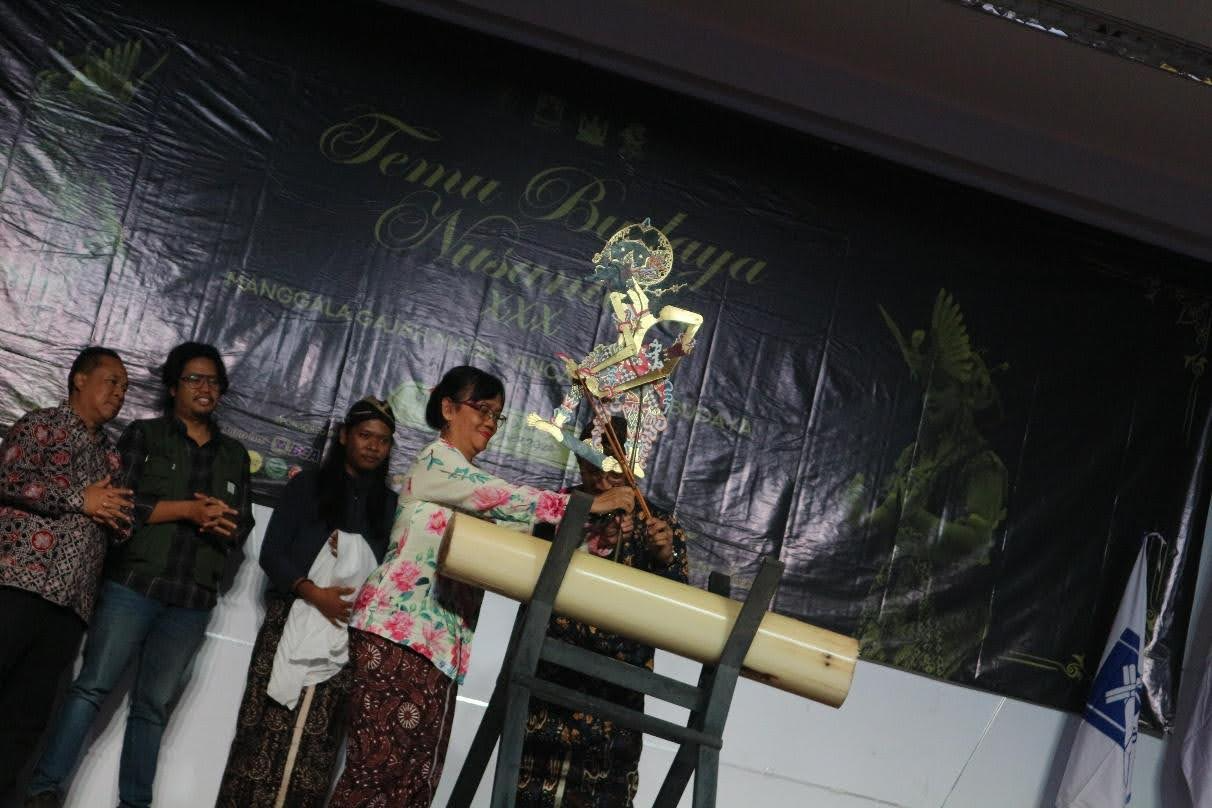
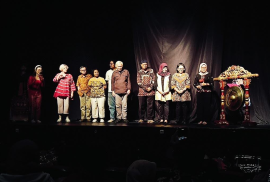
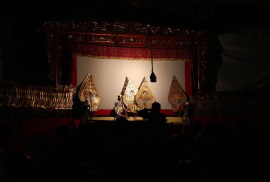
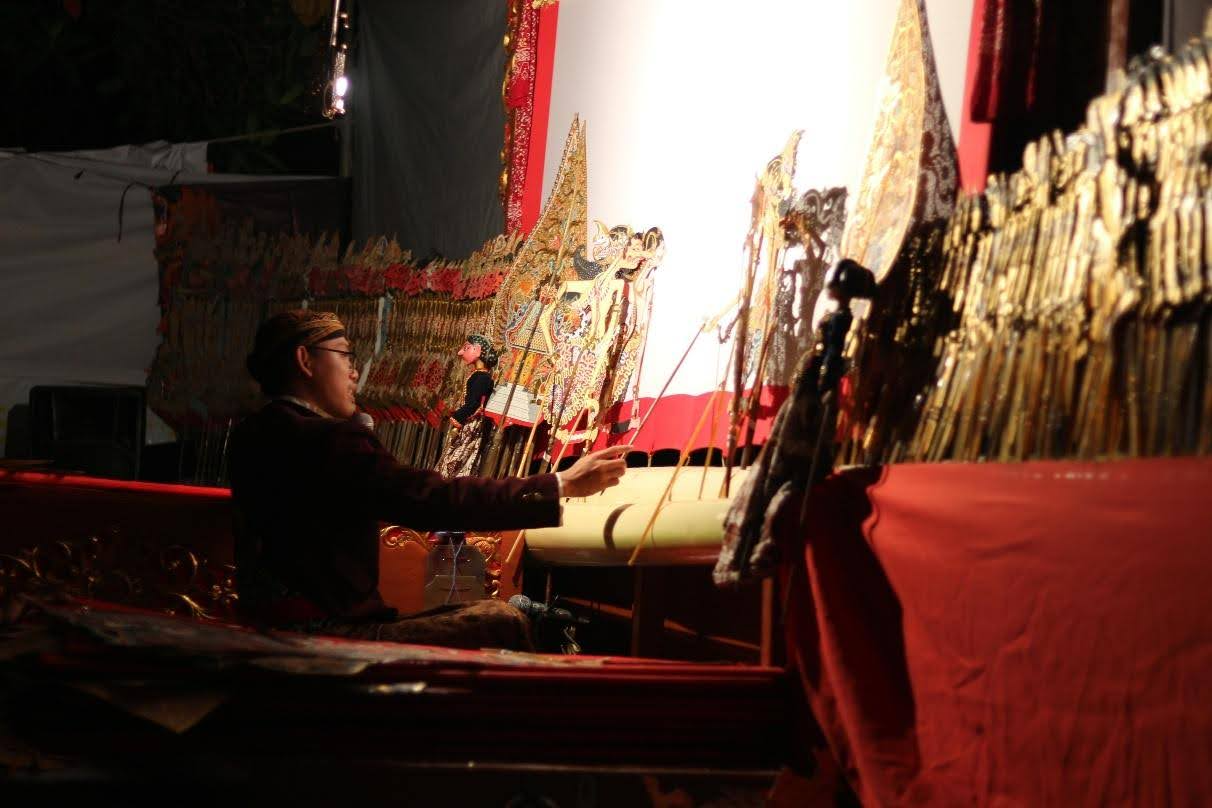
Yogyakarta, Monday night 19th of August 2024, the Faculty of Philosophy, Universitas Gadjah Mada (UGM), organized a shadow puppet show in the framework of the anniversary of the Faculty of Philosophy. The performance featured a special play, Gajah Mada Suci, which was performed collaboratively by UGM students who are members of the UGM Surakarta Style Javanese Arts Unit (UKJGS). One of the important roles in this performance was carried out by M. Rafi Nur Fauzy, a student of the Javanese Language, Literature, and Culture Study Program class of 2023, chosen to perform a play that was collaboratively worked on by the academics community of Universitas Gadjah Mada.

The script for the performance of Gajah Mada Suci was written by Dr. Rudy Wiratama S.I.P., M.A., lecturer of Javanese Language, Literature and Culture Study Program. Gajah Mada Suci tells the story of the scapegoating of Gajah Mada under the pretext of the failure of the Majapahit Kingdom expansion. The expansion also coincided with the kingdom’s internal political turmoil. To make matters worse, Gajah Mada was accused by the elites of trying to remove him from the kingdom. As a result, Gajah Mada felt desperate and afterward he visited the residence of his friend, Mpu Tantular. After a long dialog, Gajah Mada was finally enlightened, that the efforts he had made so far were not in vain. The spirit of Amukti Palapa to unite the archipelago will continue in the next era.

Handover of the Gajah Mada puppet from the Dean of the Faculty of Philosophy, Dr. Rr. Siti Murtiningsih, S.S., M. Hum, to M. Rafi Nur Fauzy. (Quoted from the Faculty of Philosophy Youtube Channel (01:22:51): https://www.youtube.com/watch?v=03x2lmMinTY).

“The performance of the Gajah Mada Suci is a form of depiction of the Indonesian nation that has experienced an identity crisis by winning over an interest and power through any means. Gajah Mada, who was a knight, finally moksa due to the deviant behavior of the Majapahit elite. After that, the Majapahit Kingdom lost its authority and then receded until it reached its collapse,” explained Rafi in an interview (05/09/2024).

As a special play, Rafi and his fellow UKJGS students practiced hard for a maximum performance. “The performance of Gajah Mada Suci has its own challenges for us. We practiced preparing for the performance in only half a month. Plus, this is my first time to play the Gajah Mada puppet, so it must be carefully prepared.”

“With these challenges, Alhamdulillah, the show can run smoothly. It was a great experience for me,” he continued.  Rafi hopes that the Gajah Mada puppet show will be held continuously because it is the work and identity of UGM as well as containing values that need to be socialized.

The existence of the Gajah Mada puppet is a real effort to promote the history and culture of the archipelago while still applying its relevance to the times. Through culture, we are not only ‘displaying’ aesthetics, but also reaffirming the nation’s identity through noble values for a better Indonesia.

Raising the Psychology of Raos and the Icon of Gathotkaca Krodha, Students of Javanese Language, Literature, and Culture Won 3rd Place in Essay at Parab Kawi #6 Event

HEADLINESNews ReleaseSDGs 17: Partnerships for the GoalsSDGs 4: Quality EducationSTICKY NEWSStudent's ActivitySustainable Development Goals Monday, 26 August 2024

The Faculty of Cultural Sciences (FIB) Universitas Gadjah Mada (UGM) has a variety of students with a myriad of achievements, both in academic and non-academic fields. This time, good news came from one of its students, Muhammad Siswoyo, from the Javanese Language, Literature, and Culture Study Program. The 2022 student won third place in the essay competition at Parab Kawi #6, a prestigious event with the theme “Luhuring Kabudayan lan Kasusastran Jawi, Amrih Kalokaning Nagari.”.

This year’s Parab Kawi competition featured two categories, essays and calligraphy. In the essay category, the sub-theme was “Tradition of Javanese Cultural Values, Knowledge, and Technology.” On this occasion, Muhammad Siswoyo presented an essay entitled “Psychological Depiction of Raos Gathotkaca Krodha as a Destructive Entity in Pocapan Abur-aburan Gathotkaca Wayang Kulit Jawa Timuran”.

The essay discusses the pocapan (narration of an event in a shadow puppet performance) Abur-aburan depicting Gathotkaca Krodha, ‘Gatotkaca who is angry’, especially on the body parts of one of Werkudara’s children. The limbs of Gathotkaca Krodha are likened to various tools of destruction, such as scissors, pacul, etc. This is in fact relevant to the shape of the Gathotkaca Krodha puppet, which is also depicted in this way. This concept is also in line with the psychology of raos, which links a person’s emotional state with the ability to create certain states, such as anger and destruction.

Shadow puppetry is not only an art form, but also a ‘miniature’ of Indonesia’s cultural diversity. It contains various elements of art, from the presentation, to the play, to the details of the puppet form and its existence. The art of storytelling in shadow puppet shows also plays an important role in ‘animating’ the show and delivering the audience to the ‘gate’ of literature as well as moral messages and philosophical meanings.

Exploring cultural knowledge can be done to find out the worldview of a society. By knowing the mindset of the community, we can improve education while understanding diversity in a frame of harmony. Thus, the competition is in accordance with the points of the Sustainable Development Goals, namely point 4 (improving the quality of education) and point 17 (partnerships to achieve goals).

IMAGE REFERENCE

Tokohwayangpurwa.blogspot.com. (2009, October). Gatotkaca. Accessed at https://tokohwayangpurwa.blogspot.com/2009/10/gatutkaca.html.

Author : Haryo Untoro

Seputar Jawa: The Health Benefits of Kitchen Spices

News ReleaseSDGs 3: Good health and well-beingSDGs 4: Quality Education Monday, 26 August 2024

Recently, the “back to nature” lifestyle has become increasingly popular. Not only are people looking for instant results, but they are now increasingly concerned with the process of achieving optimal health. This trend can be seen in the increasing number of people who exercise diligently, pay attention to nutritional intake, and utilize herbal and traditional medicine.

When it comes to traditional medicine, our ancestors already had the right recipe to maintain health. Referring to Wulandari (2011), there is a book entitled Serat Primbon Jampi Jawi published in 1933 by the publisher Tan Khoen Swie, which collects valuable knowledge about traditional medicine, including the efficacy of various kitchen spices for health. Let’s discuss some of these herbs that have amazing benefits:

  • Black Cumin

Black cumin is known to have hot properties but feels cool for a while. The benefits of black cumin are very diverse, ranging from removing mucus and dirt in the stomach, to overcoming soreness in the back or joints. To experience its benefits, Mahadaya can try a mixture of crushed black cumin with honey. In addition, black cumin can also be used to cure colds and dizziness due to colds by inhaling black cumin wrapped in mori cloth.

  • Nutmeg

This kitchen spice is not only a flavoring agent but also has health benefits. Nutmeg is known to strengthen the heart, strengthen semen, and treat eye and bone pain.

  • Red Onion

Apart from being a spice that is often used daily, shallots have various health benefits. Dripping crushed shallot water into the eyes can cure blurred vision. In addition, shallots are also effective for preventing hair loss if applied to the head, which often experiences hair loss.

  • Tamarind

This plant, which is often the main ingredient in herbal medicine, has many health benefits. Tamarind is known to reduce body heat if consumed directly. Furthermore, tamarind is effective for relieving shortness of breath and nausea. The trick is to soak the tamarind for three days, then mix the water with sugar and drink it.

  • Lime

Lime, which is commonly used as a complement to soto, has health benefits that are no less great. By drinking a mixture of lime juice and sugar in the morning after waking up, the kitchen spice can neutralize toxins in the stomach. In addition, lime juice can also warm the body.

Some of the explanations above are a small part of the various properties of herbal medicine with this kitchen spice. This then opens our perspective, showing that old manuscripts actually contain a variety of information, one of which is in the health sector. By extracting information from these manuscripts, we are expected to be able to utilize these instructions, disseminate them, and develop them in order to bring goodness to ourselves and our environment.

LITERATURE

Wulandari, A. (2011, December). ). Serat Primbon Jampi Jawi Koleksi Perpustakaan Dewantara Kirti Griya (Taman Siswa): Sebuah Dokumentasi Pengobatan Tradisional. Jumantara: Jurnal Manuskrip Nusantara,2(2), 30-56. https://doi.org/10.37014/jumantara.v2i2.135

LIST OF IMAGES

Vandro. (2016, April 10). Ssst…! Ini Dia 35 Bumbu Dapur Masakan Indonesia, Incaran Dunia… Rumahmesin.com. Accessed from https://www.rumahmesin.com/bumbu-dapur/.

Author : Haryo Untoro

Gamasutra Enlivens The Opening of Pionir Kampung Budaya 2024

HEADLINESNews ReleaseSDGs 17: Partnerships for the GoalsSDGs 4: Quality EducationSTICKY NEWSStudent's ActivitySustainable Development Goals Monday, 26 August 2024

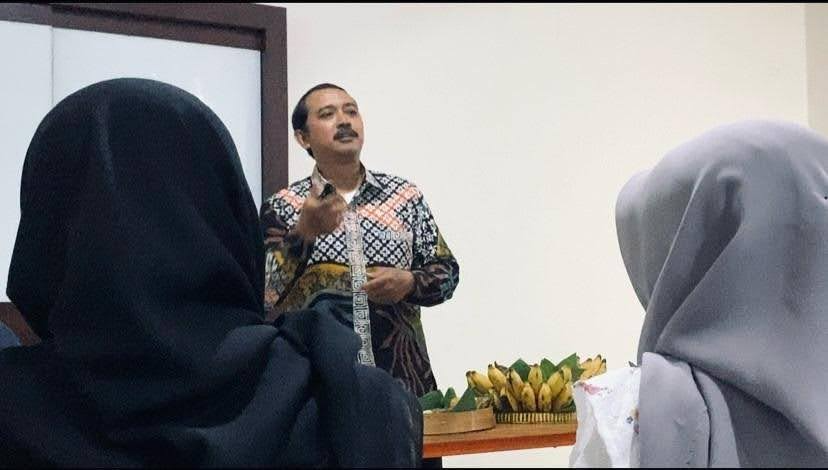
Wednesday morning, July 31, 2024, became a historic moment for the 2024 batch of students of the Faculty of Cultural Sciences (FIB) at Universitas Gadjah Mada. As part of the campus introduction process, they were welcomed to the Pionir Kampung Budaya 2024 event, which was held for two days from July 31 to August 1, 2024. The event was designed to introduce new students to academic life at FIB UGM, where Mahadaya will study for the next four years.

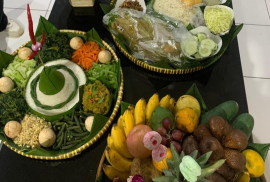
The opening of Pionir Kampung Budaya 2024 was enlivened by the strains of gamelan performed by Gamasutra (Gamelan Sastra Nusantara), an art unit that serves as a forum for students of the Javanese Language, Literature, and Culture Study Program. Gamasutra played an important role in welcoming the mahadaya, presenting a solemn atmosphere and the nobility of Indonesian culture.

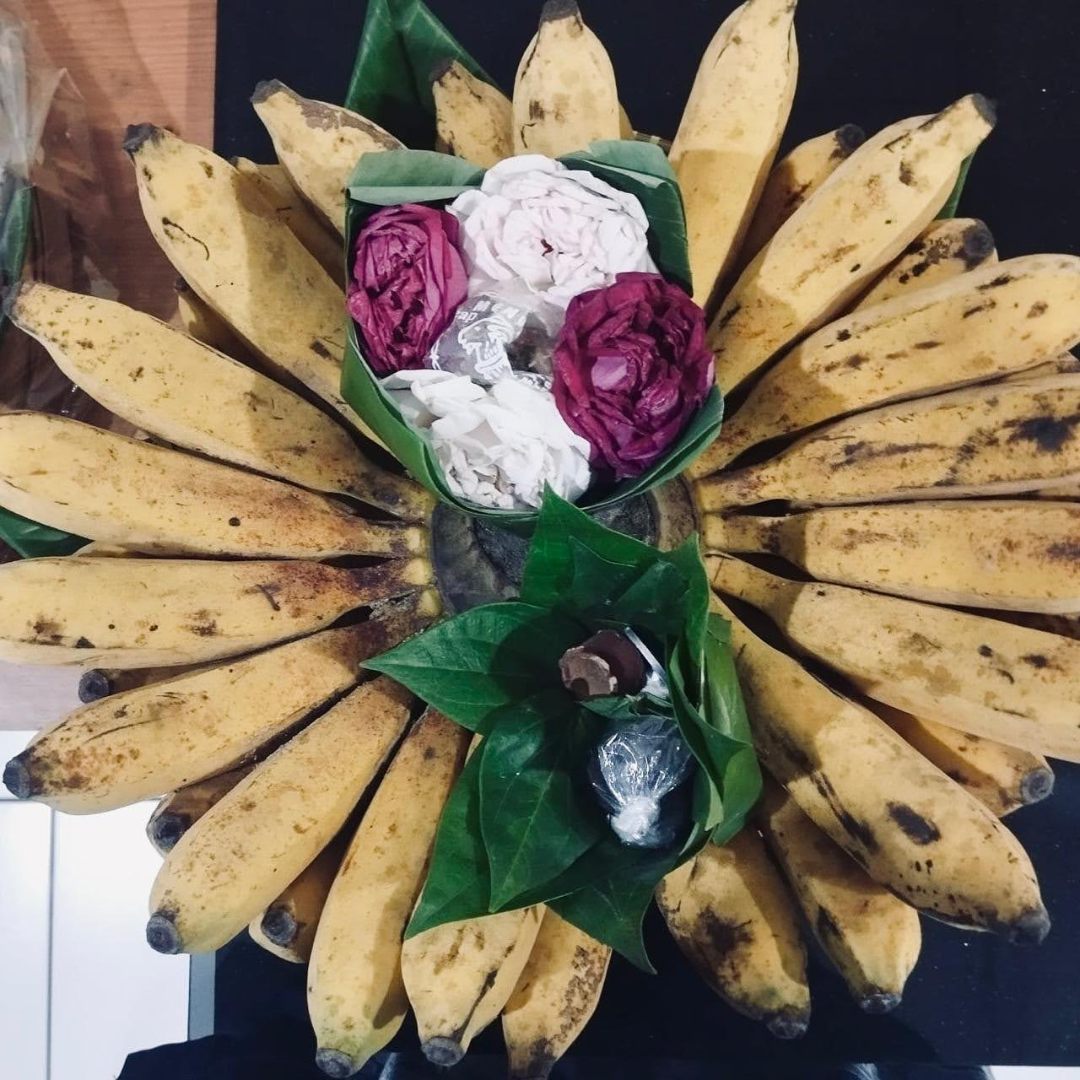
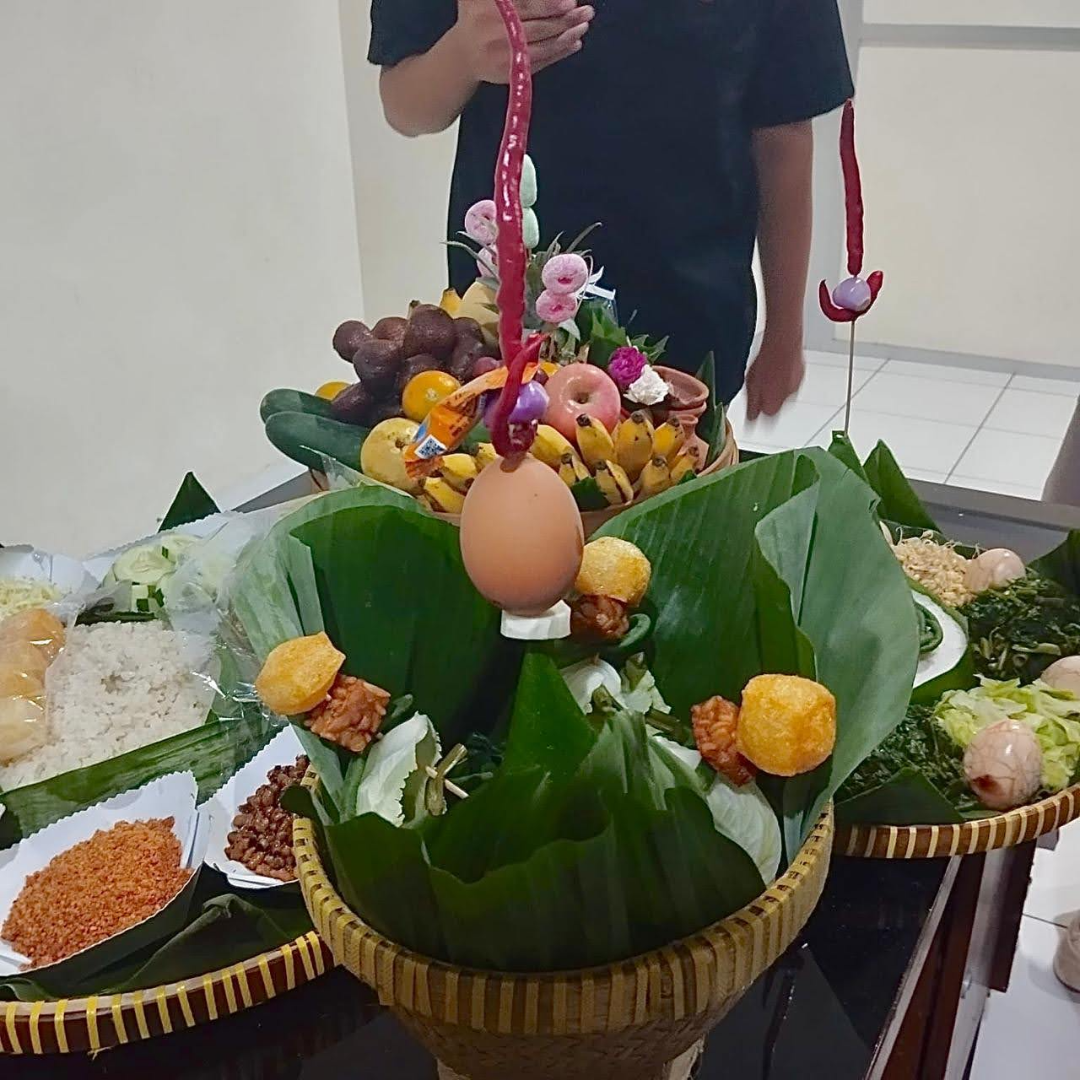
In addition to welcoming the mahadaya, Gamasutra also accompanied the presence of the Chairman of the Pionir Kampung Budaya 2024, the President of the Student Executive Board (LEM) 2024, the Dean of FIB UGM and staff, as well as the Heads of Study Programs from various departments. The peak moment of Gamasutra’s performance was when it enlivened the procession of gunungan removal, marking the official opening of Pionir Kampung Budaya 2024. Some of the songs performed by Gamasutra in the event include Gending Gati Padhasih, Gangsaran, and Ayak Vertikal which are the works of Ki Dr. Drs. Sukisno, M.Sn.

The Faculty of Cultural Sciences at UGM, as the frontline in cultural studies, shows its commitment in preserving Indonesia’s cultural heritage by providing ample space for the development of arts and cultural interests among students. This effort is in line with the implementation of the Sustainable Development Goals (SDGs), especially the 4th point on improving the quality of education and the 17th point on partnerships to achieve goals.

Gamasutra’s performance in Pionir Kampung Budaya 2024 is not only an entertainment event, but also a very important means of cultural introduction and preservation. Mahadaya class of 2024 also got a deep first impression of campus life that is rich in cultural values and traditions, which Mahadaya will continue to encounter and develop during its dynamics at the Faculty of Cultural Sciences at UGM

Author : Haryo Untoro

1…891011

Video UGM

[shtmlslider name='shslider_options']
Universitas Gadjah Mada

Faculty of Cultural Sciences
Universitas Gadjah Mada
Jl. Nusantara 1, Bulaksumur Yogyakarta 55281, Indonesia
   fib@ugm.ac.id
   +62 (274) 513096
   +62 (274) 550451

Work Units

  • Office of Journal & Publishing
  • INCULS
  • Information Technology and Database
  • Language Learning Center
  • Library Unit
  • Public Relations
  • Research

Facilities

  • Computer Laboratory
  • Gamelan
  • Guest House
  • Language Library
  • Library
  • Phonetics Library
  • Self Access Unit
  • Student Internet Centre

Importan Links

  • Journal of Humaniora
  • Subscriber Journal
  • Alumni Portal
  • Career
  • Departmens News
  • UGM Streaming

Contacts

  • Academic
  • Administration
  • Dean’s Office
  • Departments / Study Programs
  • Public Relations

© 2024 Faculty of Cultural Sciences Universitas Gadjah Mada

KEBIJAKAN PRIVASI/PRIVACY POLICY

[EN] We use cookies to help our viewer get the best experience on our website. -- [ID] Kami menggunakan cookie untuk membantu pengunjung kami mendapatkan pengalaman terbaik di situs web kami.I Agree / Saya Setuju