• About UGM
  • Academic Portal
  • IT Center
  • Library
  • Research
  • Webmail
  • Informasi Publik
  • English
    • Indonesia
Universitas Gadjah Mada Faculty of Cultural Sciences
Universitas Gadjah Mada
  • Home
  • Profile
    • History
    • Vision and Mission
    • Organizational structure
    • Administration
    • Staff
    • Faculty Members
  • Academic
    • Academic Calendar
    • Undergraduate Programs
      • Bachelor of Cultural Antrophology
      • Bachelor in Archaeolagy
      • Bachelor in History
      • Bachelor in Tourism
      • Bochetor in Korean Language and Culture
      • Bachelor in Indonesian Language and Culture
      • Bachelor in English
      • Bachelor in Arabic
      • Bachelor in Japanese Language and Culture
      • Bachelor in Javanese Language, Literature and Culture
      • Bachelor in French language and literature
    • Graduate Programs
      • Master in Antrophology
      • Master in ArchaeoIogy
      • Master in History
      • Master in Linguistics
      • Master in Literature
      • Master In American Studies
      • Master in Middle Eastern Cultural Studies
    • Post-Graduate Programs / S3
      • Doctor in Antropology
      • Doctor in American Studies
      • Doctor in Humanities
    • Student Service
  • KPPM
    • Research Information
    • Scientific / Academic Publications
    • Community Service
    • International Cooperation
    • Domestic Cooperation
  • Student Organizations
    • Student Executive Council
    • Semi-Autonomous Organizations
      • KAPALASASTRA
      • Christian Student Alliance
      • LINCAK
      • Saskine
      • Catholic Student Family
      • Dian Budaya
      • Sastra Kanuragan (sasgan)
      • Family of Muslim Cultural Sciences Students (KMIB)
      • Bejo Mulyo
    • Autonomous Organizations
      • Family of Anthropology Students (KEMANT)
      • English Department Student Association
      • Tourism Students Association (HIMAPA)
      • Family of Indonesian Literature Students (KMSI)
      • West Asian Literature Student Association (IMABA)
      • Association of Korean-Language Students (HIMAHARA)
      • Family of Regional Indonesian Literatures Students (KAMASUTRA)
      • The Family Body of History Students (BKMS)
      • The French Literature Students Association (HMSP)
      • Family of Anthropology Students
      • Japanese Student Association (HIMAJE)
  • Admission
    • Student Evaluation
  • Home
  • Faculty of Cultural Sciences
  • Faculty of Cultural Sciences
  • page. 21
Arsip:

Faculty of Cultural Sciences

Faculty of Cultural Sciences Organizes Publication Assistance through the “MENYEPI BERSAMA” Program for Lecturers

HEADLINESNews ReleaseSDGs 11: Sustainable cities and communitiesSDGs 12: Responsible consumption and productionSDGs 16: Peace justice and strong institutionsSDGs 4: Quality EducationSDGs 8: Decent work and economic growthSDGs 9: Industry innovation and infrastructure Tuesday, 23 July 2024

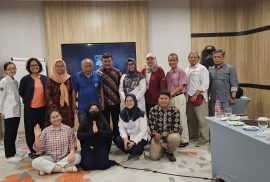
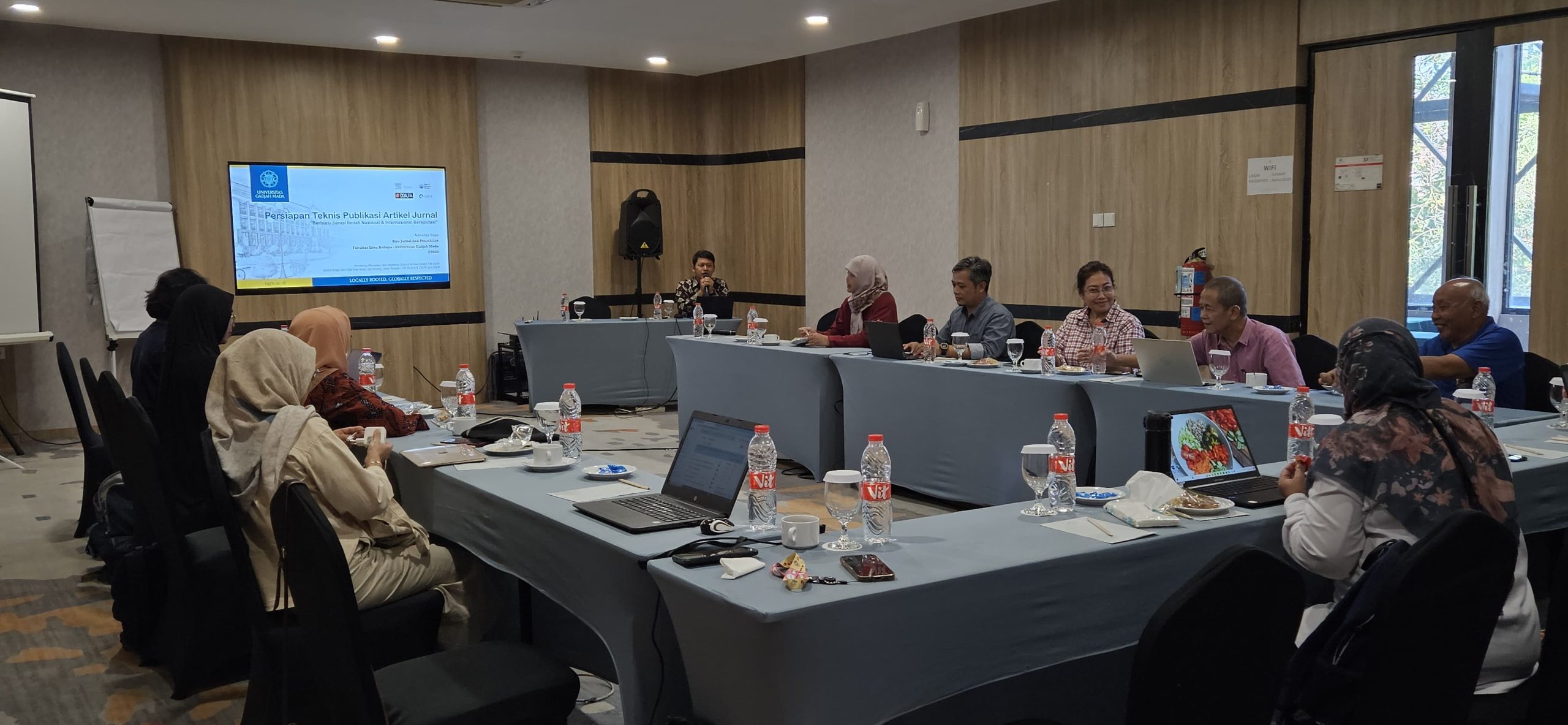
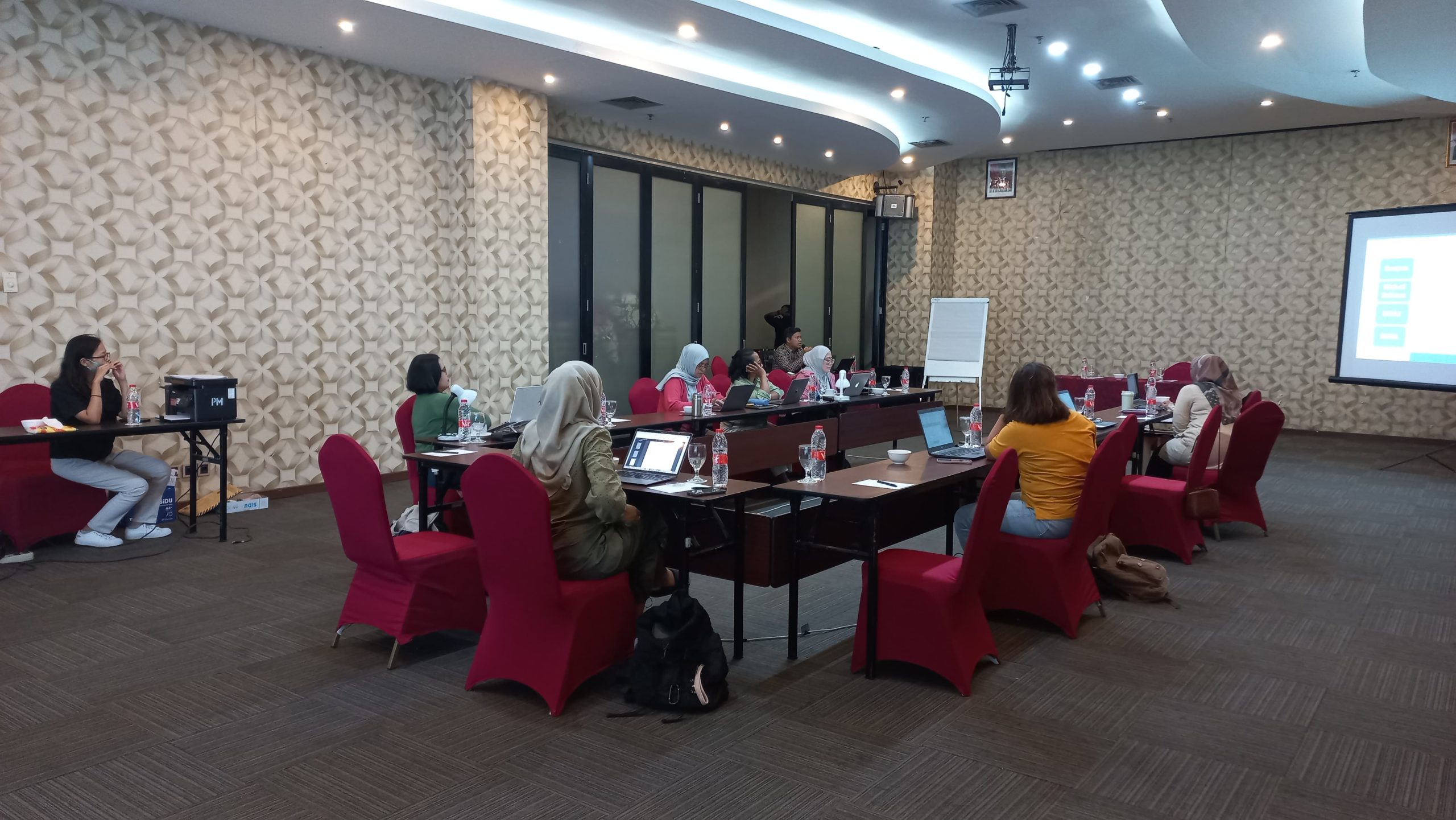
In an effort to improve the achievement of Key Performance Indicators, especially in point five of the publication field, the Faculty of Cultural Sciences organizes various research publication facilitation programs. One of the programs held is Publication Assistance through the “PAPERING TOGETHER” Program. The program aims to accelerate the publication process both in reputable international journals and accredited national journals through a mentoring process with mentors. Program participants are lecturers who already have a draft article with a 75% completion value. Articles included in this program have gone through a review process and during the program participants can consult with mentors.

In 2024, the Research and Publication Unit organized the “MENYEPI BERSAMA” Program in two batches. The first batch was held on July 15-19, 2024 at Grand Edge Hotel, Semarang and the second batch was held on July 22-26, 2024 at Oak Tree Emerald Hotel, Semarang by presenting mentors according to their fields of expertise such as culture, literature, history, and linguistics. The mentors who support this program are Prof. Dr. Pujo Semedi Hargo Yuwono, Prof. Dr. Faruk, Prof. Dr. Setiadi, Prof. Dr. Bambang Hudayana, Dr. Agus Suwignyo, M.A., and Dr. Sajarwa, M.Hum. and the number of participants who take part in this program is 20 people. By participating in this program, participants are expected to be able to complete the article and the article is ready to be submitted to the target journal.

MEGA-INFRASTRUCTURE WORKSHOP

News ReleaseSDGs 11: Sustainable cities and communitiesSDGs 3: Good health and well-beingSDGs 4: Quality EducationSDGs 8: Decent work and economic growthSDGs 9: Industry innovation and infrastructure Thursday, 18 July 2024

On July 4-7, 2024, the Department of Anthropology held a Mega-Infrastructure Workshop with the main speakers, David Fernando Bachrach from University Boulder Colorado and Professor Pujo Semedi. This activity aims to open interest in anthropological research on mega-infrastructure. Mega-infrastructure refers to infrastructure projects that have a large scale and high complexity such as the construction of toll roads, bridges, ports, airports, power plants, mass transportation systems, and other projects that play an important role in supporting the economic growth of a country or region. While providing great benefits in the long run, mega-infrastructure projects often face challenges and controversies. Some of them can have significant environmental impacts, such as deforestation, land degradation, or pollution. In addition, these projects can also affect local communities, either positively or negatively, such as population displacement or changes in traditional living patterns.

The workshop provided a deep insight into the social, economic and cultural complexities involved in mega-infrastructure development. David Fernando Bachrach discussed the impact of globalization and technology on modern infrastructure, while Professor Pujo Semedi highlighted the role of infrastructure in social transformation and local identity. The discussions and presentations from both presenters provided a strong basis for participants to develop research interests in anthropology related to how mega-infrastructure directly and indirectly affects people’s lives. This workshop is expected to be the start of further collaboration between researchers and practitioners to delve deeper into the challenges and opportunities associated with infrastructure development in a changing global context.

Expert Lecture on Literature with the theme “Literature in Digital Age”

HEADLINESNews ReleaseSDGs 11: Sustainable cities and communitiesSDGs 12: Responsible consumption and productionSDGs 17: Partnerships for the GoalsSDGs 4: Quality EducationSDGs 8: Decent work and economic growthSDGs 9: Industry innovation and infrastructure Thursday, 18 July 2024

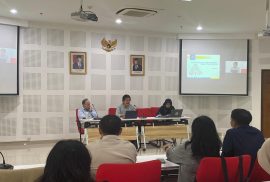
The Department of Language and Literature, Faculty of Cultural Sciences, Universitas Gadjah Mada held an Expert Lecture on Literature with the theme “Literature in Digital Age” on Thursday, July 18, 2024. This event took place from 12.30 to 15.30 in Sogeondo Room 709 FIB UGM and virtually through Zoom Meeting. The lecture is an open forum for the general public, although offline attendance is limited. The speakers include Prof. Angus James Nicholls, Ph.D. from Queen Mary University of London, Dr. Pujiharto, M.Hum. from Faculty of Cultural Sciences UGM, and Miguel Escobar Varela, Ph.D. from National University of Singapore. The moderation of the event was conducted by Alvanita, S.S., M.Ed. from Faculty of Cultural Sciences UGM.

Digital literary works include various formats such as e-books, literary blogs, literary websites, interactive stories and digital poetry. Some digital literary works also utilize multimedia elements such as images, audio and video to enhance the reading experience. This shows the development and adaptation of literature in the digital era, where technology becomes a means to express ideas and emotions in a more dynamic and interactive way. A new phenomenon in the literary world emerges with the existence of works created by robots or machines such as ChatGPT. Martin S.’s book “Poet as Machine” highlights this phenomenon. In the concept of the poet as machine, the use of language is managed entirely by the machine, and the resulting literary work is able to create its own narrative world through the use of carefully programmed language. This illustrates a new evolution in the way we understand creativity and the relationship between technology and art, as well as how algorithms can be a tool for creating impressive and original works.

The phenomenon of digital literature not only includes works created by writers but also involves the active participation of readers in the writing process, which then leads to the development of the study of fan literature. The history of this study can be traced back to Damono’s contribution in 1978 which introduced the importance of the study of popular literature, especially from the perspective of literary sociology. This study highlights how literature, especially in digital form, has changed the way readers interact and contribute to the creation of literary works. Discussions on this subject continue among modern literary scholars, exploring the role of technology in shaping and influencing contemporary literary discourse. This event is expected to be a means to explore and understand the development of literature in the growing digital era.

Public Relations Team from Faculty of Cultural Sciences UGM participates in Sharing Session: Strategic Content Development Universitas Gadjah Mada

News ReleaseSDGs 10: Reduced InequalitiesSDGs 11: Sustainable cities and communitiesSDGs 12: Responsible consumption and productionSDGs 16: Peace justice and strong institutionsSDGs 4: Quality EducationSDGs 8: Decent work and economic growthSDGs 9: Industry innovation and infrastructure Wednesday, 17 July 2024

Yogyakarta, 12 July 2024 – The Office of Public Relations, News, and Protocol of Universitas Gadjah Mada (UGM) successfully held a sharing session themed “Strategic Content Development of Universitas Gadjah Mada” today. The event which lasted from 12.00 to 16.00 WIB was attended by UGM public relations, news, and protocol staff in Multimedia Room 1, 3rd Floor of the North Wing, UGM Central Building.

The speakers who attended this session included Dr. Tirta Mandira Hudhi, M.B.A., Winda Pratiwi, Farchan Noor Rachman, and Mohamad Ryan Saputra. They provided various insights and strategies in strategic content development for UGM such as recognizing audiences through data interpretation, as well as content planning and development. 

Previously, the organizers had invited all relevant staff to participate in this activity, which aims to strengthen the public relations function on campus. The University Secretariat would like to thank all participants for their attention and participation.

Interdisciplinary Thinking and Approaches to Energy and Environmental Challenges: Issues, Best Practices, and Future Directions

News ReleaseSDGs 16: Peace justice and strong institutionsSDGs 17: Partnerships for the GoalsSDGs 4: Quality Education Thursday, 11 July 2024

In today’s increasingly complex and interconnected world, energy and environmental challenges have become global issues that cannot be solved with a single approach. This phenomenon requires a broader, interdisciplinary approach. While our education and academic practices often stick to the boundaries of established disciplines, it is increasingly clear that solutions to these problems require collaboration across fields. Many academics now recognize that the integration of ideas from different disciplines is key to tackling these complex challenges more effectively. They realize that no single discipline can provide all the necessary answers.

In this context, this roundtable panel aimed to observe and explore the value of interdisciplinary approaches. Panelists discussed how perspectives from different disciplines can be used synergistically to analyze and address energy and environmental challenges. The ultimate goal is to create effective strategies to observe and resolve these issues, with the hope of building a sustainable future for generations to come. By combining knowledge and methodologies from different fields, it is hoped that this interdisciplinary approach will pave the way for more holistic and integrated innovative solutions. This activity was held on July 9th, 2024 at 9.00 am – 10.30

1…1920212223…32

Video UGM

[shtmlslider name='shslider_options']
Universitas Gadjah Mada

Faculty of Cultural Sciences
Universitas Gadjah Mada
Jl. Nusantara 1, Bulaksumur Yogyakarta 55281, Indonesia
   fib@ugm.ac.id
   +62 (274) 513096
   +62 (274) 550451

Work Units

  • Office of Journal & Publishing
  • INCULS
  • Information Technology and Database
  • Language Learning Center
  • Library Unit
  • Public Relations
  • Research

Facilities

  • Computer Laboratory
  • Gamelan
  • Guest House
  • Language Library
  • Library
  • Phonetics Library
  • Self Access Unit
  • Student Internet Centre

Importan Links

  • Journal of Humaniora
  • Subscriber Journal
  • Alumni Portal
  • Career
  • Departmens News
  • UGM Streaming

Contacts

  • Academic
  • Administration
  • Dean’s Office
  • Departments / Study Programs
  • Public Relations

© 2024 Faculty of Cultural Sciences Universitas Gadjah Mada

KEBIJAKAN PRIVASI/PRIVACY POLICY

[EN] We use cookies to help our viewer get the best experience on our website. -- [ID] Kami menggunakan cookie untuk membantu pengunjung kami mendapatkan pengalaman terbaik di situs web kami.I Agree / Saya Setuju