
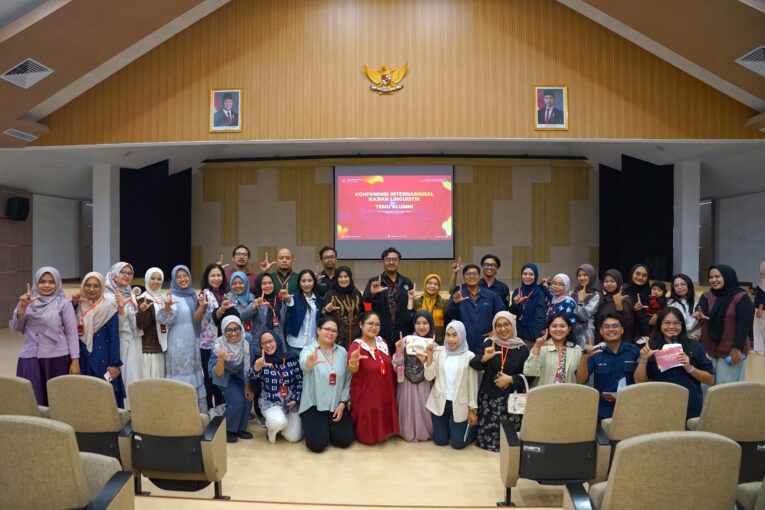
Yogyakarta — Alumni of the Master’s Program in Linguistics at Universitas Gadjah Mada (UGM) have shared a number of aspirations for developing the alumni network so that it can play a more active role in supporting academic activities, professional development, and social engagement.
The aspirations were gathered through the “Linguistics Alumni Survey,” distributed via Google Forms through the UGM Linguistics Master’s Program Cross-Cohort WhatsApp Group from 12 to 20 September 2026.
In general, alumni expressed their appreciation for the relationships and connections that have been maintained among graduates, including through the WhatsApp group and the Kalingga student and alumni community. At the same time, they expressed hopes that these relationships would extend beyond social ties and develop into a network that can support alumni, students, the university, and the wider community.
The feedback covered a range of areas, from strengthening alumni governance and data management to developing career networks, academic and research activities, the use of technology, and social initiatives. Broadly, the aspirations can be grouped into six key areas for development.
1. Strengthening Alumni Governance and Data Management
Alumni proposed regular data collection covering professional backgrounds, areas of expertise, locations, and the distribution of alumni, including those living overseas. Such data is expected to support communication and collaboration among alumni based on their respective expertise and professional backgrounds.
Other suggestions included strengthening communication infrastructure through an official website, appointing representatives for each cohort, and establishing communication guidelines for alumni groups. Alumni also proposed developing a shared identity through alumni uniforms or corsa, establishing an alumni association name, and forming a national association of linguistics scholars and alumni.
2. Developing Career Networks and Mentoring
The alumni network is expected to serve as a platform for sharing information on job opportunities, particularly for lecturers and researchers, as well as scholarships and further study opportunities. Alumni also proposed Alumni Sharing sessions and mentoring programs to facilitate the exchange of professional experiences and introduce current students to a range of career opportunities.
3. Strengthening Academic Engagement and Research Collaboration
Alumni proposed regular online academic discussions, held monthly or every three months, which could be organized based on geographic areas or specific fields of linguistics. These forums are expected to provide opportunities for alumni to remain engaged with developments in the field and exchange ideas.
Other proposals include collaborative academic writing, research consortia and groups, the publication of the Jurnal Kajian Linguistik, as well as national and international webinars, workshops, and linguistics conferences.
4. Responding to Developments in Digital Linguistics and AI
Alumni proposed strengthening learning opportunities related to Digital Linguistics, artificial intelligence (AI), Natural Language Processing (NLP), and large-scale text data analysis, including through the provision of relevant elective courses. These efforts are expected to broaden students’ and graduates’ competencies in responding to technological developments in language studies.
5. Expanding Alumni Access and Engagement
Online activities are considered important to enable alumni living outside Yogyakarta and overseas to continue participating. At the same time, alumni proposed annual gatherings or reunions, which could be held alongside linguistics conferences or community activities such as syawalan and buka bersama.
Alumni also emphasized the importance of inclusive participation, with the network open to all graduates regardless of their previous involvement in student organizations.
6. Encouraging Community Engagement through Social Initiatives
Alumni proposed that the network support community service and social initiatives through knowledge-based programs that benefit the wider community. Graduates, particularly scholarship recipients, are also expected to have opportunities to contribute to society through their knowledge, experience, and professional competencies.
The six areas identified—governance and data management, careers and mentoring, academic engagement and research, digital linguistics and AI, alumni access and engagement, and community service—can serve as considerations for the future development of alumni activities and organizational structures.
The survey findings provide a basis for understanding alumni aspirations and identifying activities that can be developed collaboratively. Through a well-maintained alumni network, connections among the university, students, alumni, and the wider community can continue to be strengthened.
