• About UGM
  • Academic Portal
  • IT Center
  • Library
  • Research
  • Webmail
  • Informasi Publik
  • English
    • Indonesia
Universitas Gadjah Mada Faculty of Cultural Sciences
Universitas Gadjah Mada
  • Home
  • Profile
    • History
    • Vision and Mission
    • Organizational structure
    • Administration
    • Staff
    • Faculty Members
  • Academic
    • Academic Calendar
    • Undergraduate Programs
      • Bachelor of Cultural Antrophology
      • Bachelor in Archaeolagy
      • Bachelor in History
      • Bachelor in Tourism
      • Bochetor in Korean Language and Culture
      • Bachelor in Indonesian Language and Culture
      • Bachelor in English
      • Bachelor in Arabic
      • Bachelor in Japanese Language and Culture
      • Bachelor in Javanese Language, Literature and Culture
      • Bachelor in French language and literature
    • Graduate Programs
      • Master in Antrophology
      • Master in ArchaeoIogy
      • Master in History
      • Master in Linguistics
      • Master in Literature
      • Master In American Studies
      • Master in Middle Eastern Cultural Studies
    • Post-Graduate Programs / S3
      • Doctor in Antropology
      • Doctor in American Studies
      • Doctor in Humanities
    • Student Service
  • KPPM
    • Research Information
    • Scientific / Academic Publications
    • Community Service
    • International Cooperation
    • Domestic Cooperation
  • Student Organizations
    • Student Executive Council
    • Semi-Autonomous Organizations
      • KAPALASASTRA
      • Christian Student Alliance
      • LINCAK
      • Saskine
      • Catholic Student Family
      • Dian Budaya
      • Sastra Kanuragan (sasgan)
      • Family of Muslim Cultural Sciences Students (KMIB)
      • Bejo Mulyo
    • Autonomous Organizations
      • Family of Anthropology Students (KEMANT)
      • English Department Student Association
      • Tourism Students Association (HIMAPA)
      • Family of Indonesian Literature Students (KMSI)
      • West Asian Literature Student Association (IMABA)
      • Association of Korean-Language Students (HIMAHARA)
      • Family of Regional Indonesian Literatures Students (KAMASUTRA)
      • The Family Body of History Students (BKMS)
      • The French Literature Students Association (HMSP)
      • Family of Anthropology Students
      • Japanese Student Association (HIMAJE)
  • Admission
    • Student Evaluation
  • Home
  • SDGs 9: Industry Innovation and Infrastructure
  • SDGs 9: Industry Innovation and Infrastructure
  • page. 16
Arsip:

SDGs 9: Industry Innovation and Infrastructure

Learning the Ins and Outs of Administration and Bureaucracy through the UGM Student Organization Administration Workshop 2024

News ReleaseSDGs 4: Quality EducationSDGs 9: Industry innovation and infrastructure Monday, 10 June 2024

On Saturday, May 18, 2024, the UGM Directorate of Student Affairs held the UGM Student Organization Administration Workshop 2024 aimed at all Faculty / School Student Institutions, Student Communities, and Student Activity Units (UKM) at Universitas Gadjah Mada UGM to be given material on student organization administration. This activity was held in Multimedia Room 1 3rd Floor, UGM Main Office, inviting a number of student affairs resource persons to provide a number of material topics. Topics discussed included correspondence, information technology services, and organizational administration management.

In this activity, one of the students of the Faculty of Cultural Sciences UGM who represented the Gadjah Mada Debating Society UGM Student Activity Unit, I Putu Adhimas Radiansyah Aryawan, as Secretary, attended the workshop agenda which began with a speech by the Head of the Subdirectorate of Organization, Facilities, and Student Welfare, Mrs. Desi Yulianti, S.E., M.Acc.. Then, it was continued with correspondence material and correspondence script in accordance with applicable language and structure rules. On the topic of this material, representatives of student organizations were given practical examples interactively through reviews of examples of correspondence scripts of several student organizations by Mrs. Martindah Hanurani Budi Sukmarhayu, S.Pd.. Followed by IT services and information systems by Aziz Hendra Atmaja, S.Kom., from the UGM Information Technology Directorate, discussing information technology services such as Google Drive, OneDrive, Microsoft 365, and others that can support the administrative work of student organizations.

After the break session, the last material agenda was the Administration of Student Organizations presented by Ahmad Yuana Putra, S.Si., Staff of the Directorate of Student Affairs UGM, who is also a former administrator of the UGM UKM Communication Forum (FORKOM) and former Chairman of BEM Biology UGM. In this agenda, Mas Yuana shared his memorable experiences about the importance of managing well-documented organizational administration when he was an active UGM student who had been involved in various committees and organizations. After the experience sharing session, the activity began to end with a random group quiz session by answering 10 quiz questions correctly.

Through the administrative workshop activities held, it is hoped that the organization administrators can understand the workflow and orderly in working on appropriate organizational files and administration and students are also closer to the UGM Directorate of Student Affairs from various facilities and infrastructure that have been provided to support student organizations.

Kick-Off Microcredential Development for University Leaders through UGM Online

News ReleaseSDGs 17: Partnerships for the GoalsSDGs 4: Quality EducationSDGs 9: Industry innovation and infrastructure Monday, 10 June 2024

Tuesday, May 21, 2024, Faculty of Cultural Sciences UGM participated in a webinar on the Kick-Off of Micro Credential Development for University Leaders through UGM Online organized by the Directorate of Academic Studies and Innovation, Universitas Gadjah Mada. This activity aims to introduce the term Micro Credential which is a certificate or recognition given to individuals after completing a course or learning module that focuses on certain competencies or skills. In conjunction with the learning management system portal through UGM Online, to form a new educational ecosystem to support continuing education and lifelong learning for students and alumni by obtaining online learning resources. Microcredentials that are delivered through the types of online learning classes offered are usually short in duration and highly focused. They are designed to enhance certain skills or master specific competencies to the point of recognition for learning credits.

Microcredentials are divided into six different classes, namely:

  • Technical Skills Class
  • Professional Development Class
  • Soft Skills Class
  • Compliance and Regulatory Class
  • Entrepreneurship Class
  • Industry Specific Classes

Each class is designed with a specific focus to develop different skills. This specific skill development is able to support each individual to deepen their knowledge and insight in a specific focus for career advancement and improve individual competence. Module or course development of micro credentialing modules is developed from courses that are then packaged and reproduced according to the principles of micro credentialing. Lecturers can develop micro credential modules from their expertise, which has strategic value in the community/market to be accessed widely and massively. The module may be different from the material in the course and what is taught to students.

Lecturer of Archaeology FIB UGM as a resource person for the Evaluation and Preparation of Standard Operating Procedures for Technical Activities of BPK Region X

News ReleaseSDGs 16: Peace justice and strong institutionsSDGs 17: Partnerships for the GoalsSDGs 4: Quality EducationSDGs 9: Industry innovation and infrastructure Monday, 10 June 2024

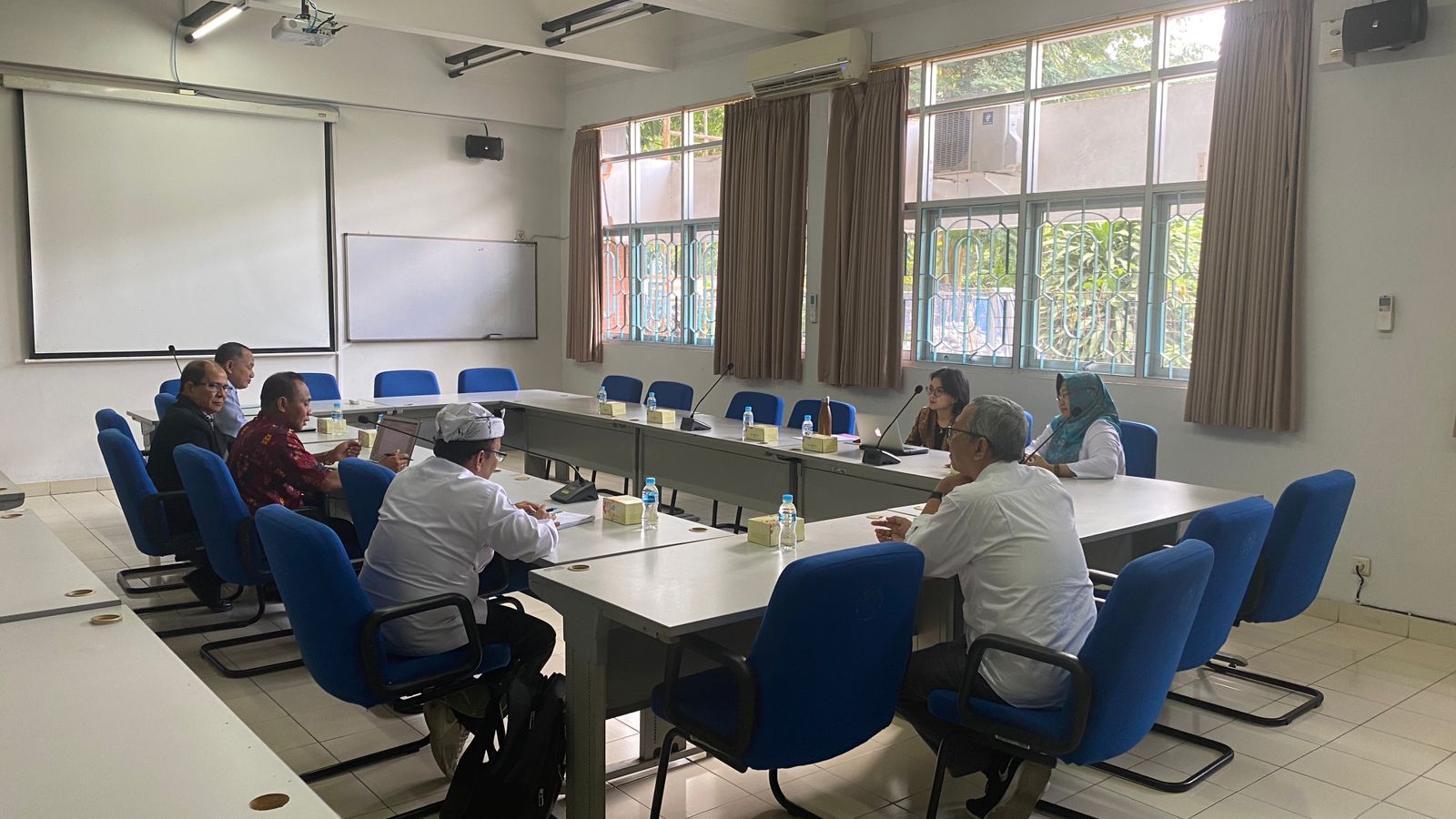
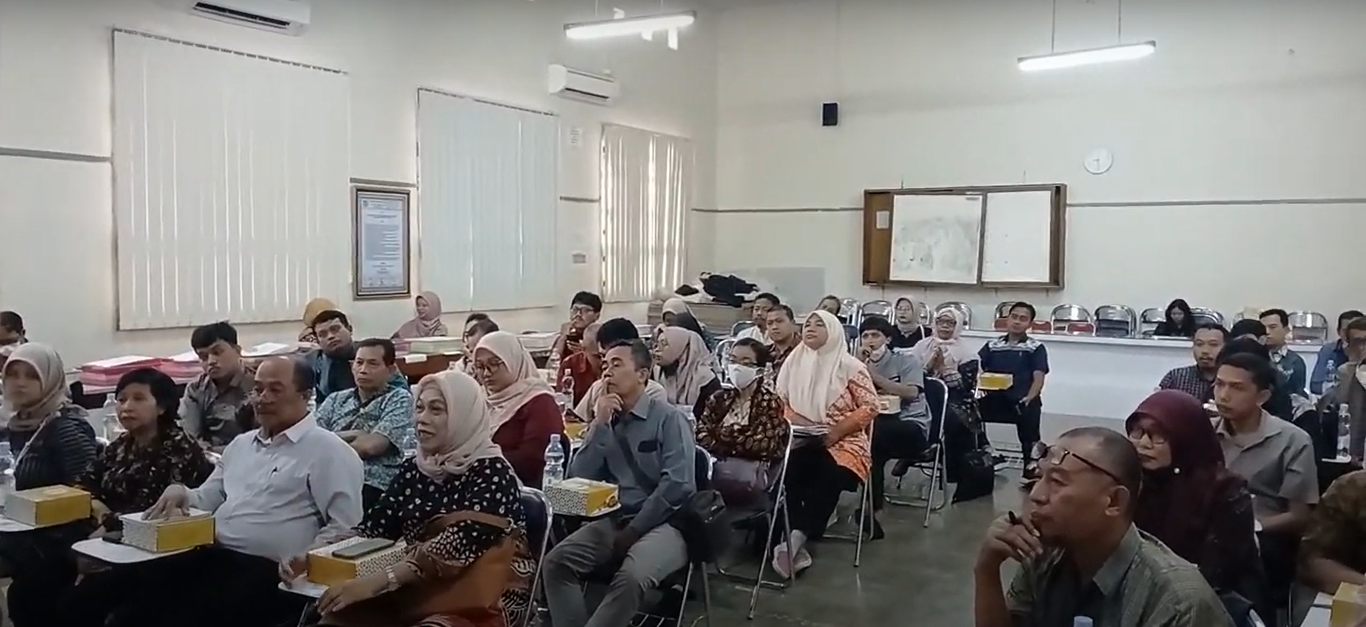
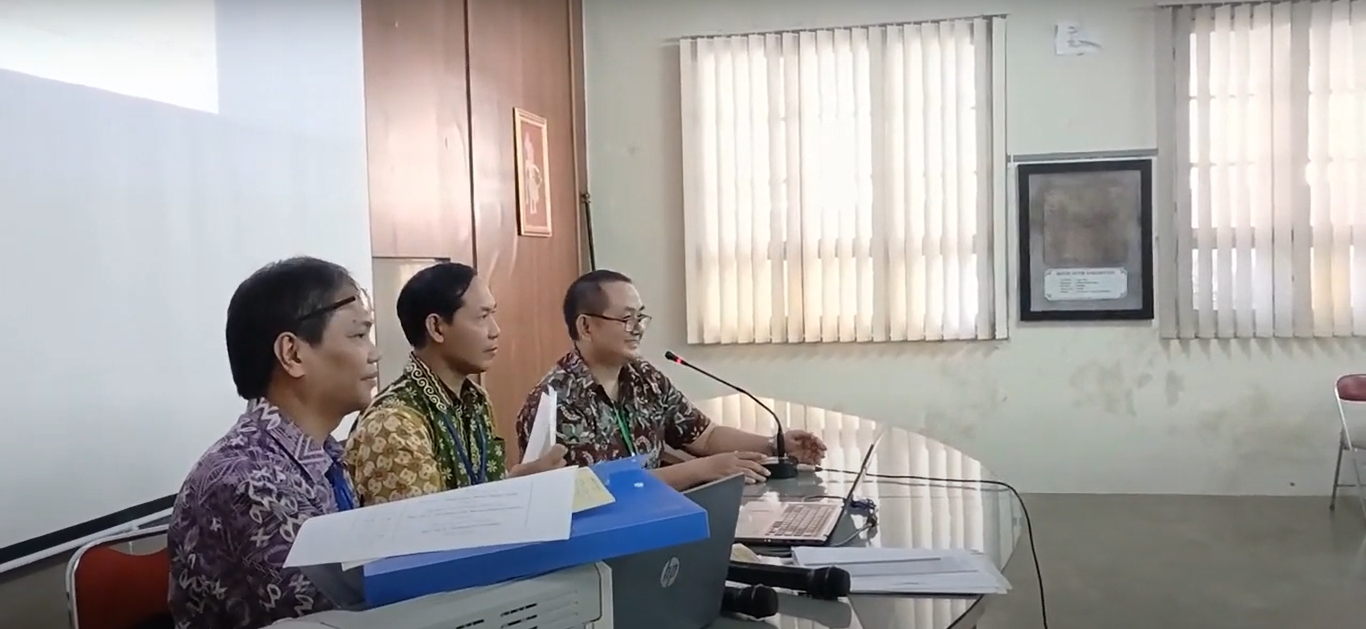
The evaluation and preparation of the BPK Region X Technical POS was held on April 23-26, 2024 at the Solia Zigna Hotel, Surakarta. This activity is part of the 2024 work program of BPK Region X, which in the previous year had compiled POS Technical Activities for several types of main tasks and functions of the working groups within BPK Region X. Participants who attended were all staff from the BPK Region X office from each working group. The activity began with a presentation from a resource person related to the main task of the BPK (Cultural Preservation Center), namely the Preservation of Cultural Heritage and Cultural Promotion Objects, especially the Protection aspect which includes Cultural Heritage and Intangible Cultural Heritage.

Given that the Development and Utilization tasks are currently under the newly inaugurated MCB (Museum and Cultural Heritage) office. On this occasion, material was presented on aspects related to preservation activities in accordance with academic principles and rules according to the scientific field of archaeology. At the beginning of the presentation, the challenges of the field of archaeology in the future, especially those related to the preservation of cultural heritage, the parties who are stakeholders and have an interest in cultural heritage, were presented.

Changes in the scientific paradigm and also the condition of society also affect the scheme of involvement of stakeholders with an interest in cultural heritage. The development of research methods in the academic world needs to be conveyed to the participants in an effort to maintain the scientific spirit of each working group’s activities at the CPC. The presentation was closed with discussion and questions from the participants.

Manuscript as a Window to the Past by Arsanti Wulandari on Dimyati Podcast

News ReleaseSDGs 11: Sustainable cities and communitiesSDGs 16: Peace justice and strong institutionsSDGs 17: Partnerships for the GoalsSDGs 4: Quality EducationSDGs 8: Decent work and economic growthSDGs 9: Industry innovation and infrastructure Monday, 10 June 2024

Sunday, January 28, 2024, Lecturer of the Javanese Language, Literature and Culture Study Program, Dr. Arsanti Wulandari, S.S., M.Hum., was present as a guest speaker in one of the Dimyati Podcast episodes entitled, “Manuscripts as a Window to the Past”. Dimyati Podcast is one of the American podcasts that talks a lot about Indonesian studies from art, culture to politics. Manuscripts as one of Indonesia’s traditional cultural products are raised as one of the themes discussed, because the cultural products of manuscripts contain the mindset of the people of that time. The text contained is data and documentation of past culture which, if revealed, we can also benefit from.

In the context of telling the past of Javanese society at that time, the recording of a series of events, recording of treatment, and the values disguised in a story in the manuscript can reveal civilization, thinking, and even the technology used in past life. Various kinds of manuscripts and their functions are briefly conveyed on the Dimyati Podcast. In addition, the podcast tool is also one of the media to raise one of the cultural products such as manuscripts and increase the reputation of the Javanese Language, Literature and Culture Study Program, to be better known internationally.

The podcast video link is as follows:

  • Manuscript as a Window to the Past by Dr. Arsanti Wulandari, S.S., M.Hum

Perpustra: Arrived in Yogyakarta – National Book Day Chapter

News ReleaseSDGs 10: Reduced InequalitiesSDGs 11: Sustainable cities and communitiesSDGs 17: Partnerships for the GoalsSDGs 4: Quality EducationSDGs 5: Gender equalitySDGs 9: Industry innovation and infrastructure Monday, 10 June 2024

Friday, May 17, 2024, the Literary Library Community of Faculty of Cultural Sciences UGM together with Kognisi, a learning platform from Kompas Gramedia, held a literacy gathering entitled, “Arriving in Yogyakarta” in the green open courtyard of Soegondo Building, Faculty of Cultural Sciences UGM. This literacy gathering coincides with the commemoration of National Book Day which occurs every May 17. Participants who took part in the activity did not only come from UGM students, but students from other universities such as Yogyakarta State University and the general public also attended the literacy meeting of Perpustra UGM with Kognisi.

The literacy activity began with the “Celoteh Buku” session, which is sharing stories about books from each participant of the community to be told in front of other participants to hone storytelling skills. Each participant not only explained the summary of the book’s story, but also raised personal opinions from the book he read. After a number of participants told their books, the “Silih Gilir” session began, where each participant packed their respective books into a brown envelope and gave the book to the right side participant continuously until the signal stopped from the moderator, then they would open the envelope containing the book that had been given by the participant next to them randomly and read the book which was then interspersed with a “Read Together” focus time session from the book he got.

On the same occasion, Perpustra also opened a book donation drive open to the community and students with the aim of donating to those in need to help improve regional literacy.

1…1415161718

Video UGM

[shtmlslider name='shslider_options']
Universitas Gadjah Mada

Faculty of Cultural Sciences
Universitas Gadjah Mada
Jl. Nusantara 1, Bulaksumur Yogyakarta 55281, Indonesia
   fib@ugm.ac.id
   +62 (274) 513096
   +62 (274) 550451

Work Units

  • Office of Journal & Publishing
  • INCULS
  • Information Technology and Database
  • Language Learning Center
  • Library Unit
  • Public Relations
  • Research

Facilities

  • Computer Laboratory
  • Gamelan
  • Guest House
  • Language Library
  • Library
  • Phonetics Library
  • Self Access Unit
  • Student Internet Centre

Importan Links

  • Journal of Humaniora
  • Subscriber Journal
  • Alumni Portal
  • Career
  • Departmens News
  • UGM Streaming

Contacts

  • Academic
  • Administration
  • Dean’s Office
  • Departments / Study Programs
  • Public Relations

© 2024 Faculty of Cultural Sciences Universitas Gadjah Mada

KEBIJAKAN PRIVASI/PRIVACY POLICY

[EN] We use cookies to help our viewer get the best experience on our website. -- [ID] Kami menggunakan cookie untuk membantu pengunjung kami mendapatkan pengalaman terbaik di situs web kami.I Agree / Saya Setuju