• About UGM
  • Academic Portal
  • IT Center
  • Library
  • Research
  • Webmail
  • Informasi Publik
  • English
    • Indonesia
Universitas Gadjah Mada Faculty of Cultural Sciences
Universitas Gadjah Mada
  • Home
  • Profile
    • History
    • Vision and Mission
    • Organizational structure
    • Administration
    • Staff
    • Faculty Members
  • Academic
    • Academic Calendar
    • Undergraduate Programs
      • Bachelor of Cultural Antrophology
      • Bachelor in Archaeolagy
      • Bachelor in History
      • Bachelor in Tourism
      • Bochetor in Korean Language and Culture
      • Bachelor in Indonesian Language and Culture
      • Bachelor in English
      • Bachelor in Arabic
      • Bachelor in Japanese Language and Culture
      • Bachelor in Javanese Language, Literature and Culture
      • Bachelor in French language and literature
    • Graduate Programs
      • Master in Antrophology
      • Master in ArchaeoIogy
      • Master in History
      • Master in Linguistics
      • Master in Literature
      • Master In American Studies
      • Master in Middle Eastern Cultural Studies
    • Post-Graduate Programs / S3
      • Doctor in Antropology
      • Doctor in American Studies
      • Doctor in Humanities
    • Student Service
  • KPPM
    • Research Information
    • Scientific / Academic Publications
    • Community Service
    • International Cooperation
    • Domestic Cooperation
  • Student Organizations
    • Student Executive Council
    • Semi-Autonomous Organizations
      • KAPALASASTRA
      • Christian Student Alliance
      • LINCAK
      • Saskine
      • Catholic Student Family
      • Dian Budaya
      • Sastra Kanuragan (sasgan)
      • Family of Muslim Cultural Sciences Students (KMIB)
      • Bejo Mulyo
    • Autonomous Organizations
      • Family of Anthropology Students (KEMANT)
      • English Department Student Association
      • Tourism Students Association (HIMAPA)
      • Family of Indonesian Literature Students (KMSI)
      • West Asian Literature Student Association (IMABA)
      • Association of Korean-Language Students (HIMAHARA)
      • Family of Regional Indonesian Literatures Students (KAMASUTRA)
      • The Family Body of History Students (BKMS)
      • The French Literature Students Association (HMSP)
      • Family of Anthropology Students
      • Japanese Student Association (HIMAJE)
  • Admission
    • Student Evaluation
  • Home
  • SDGs 2: Zero Hunger
  • SDGs 2: Zero Hunger
Arsip:

SDGs 2: Zero Hunger

Inaugurated as Professor of Agrarian History, Prof. Nur Aini Setiawati Highlights Comparisons Between Indonesia and Korea

HEADLINESNews Release Wednesday, 15 April 2026

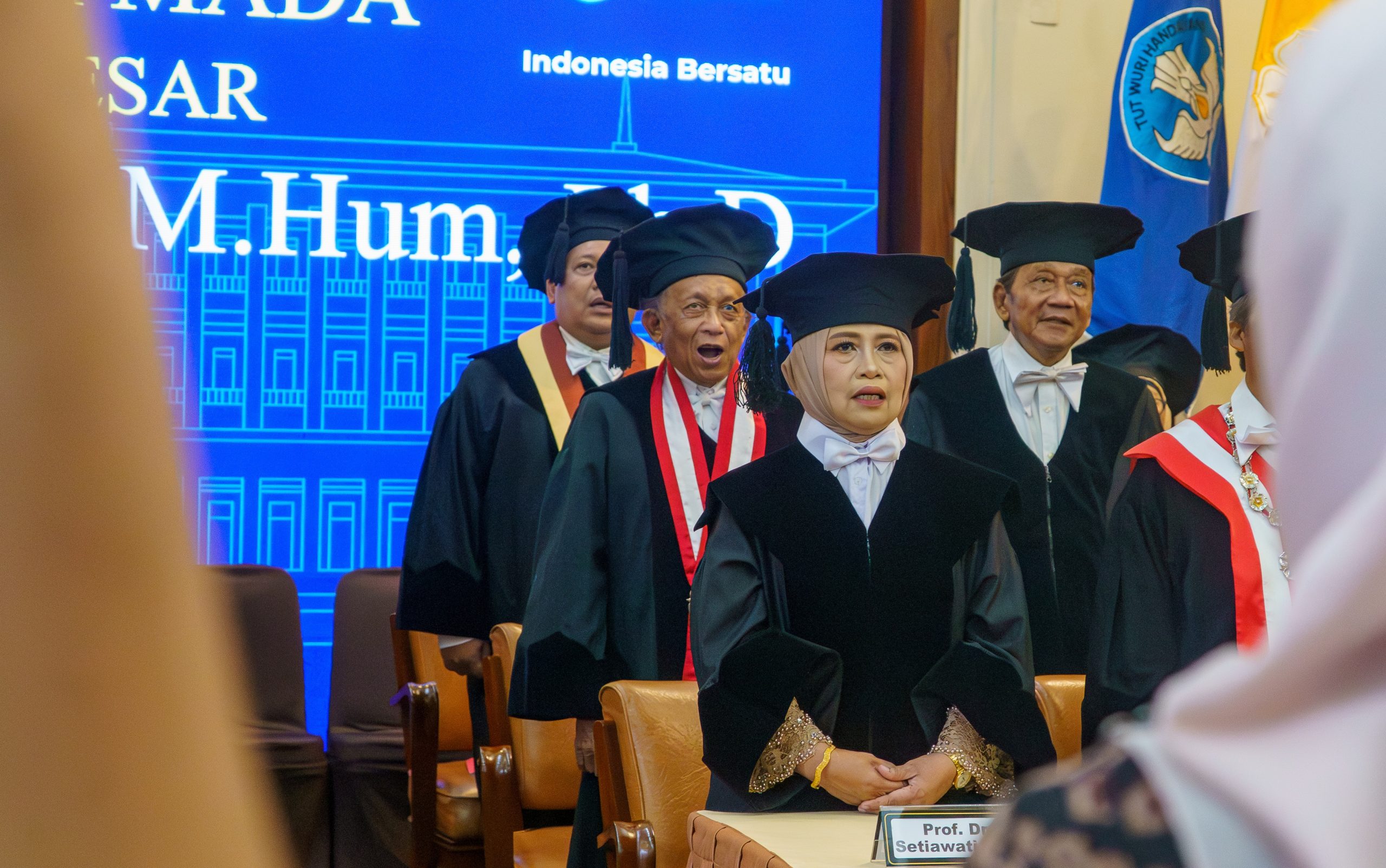
Universitas Gadjah Mada (UGM) has officially inaugurated Professor Dr. Nur Aini Setiawati, M.Hum., Ph.D., as a Professor of Agrarian History at the Faculty of Cultural Sciences. The inauguration ceremony took place at the UGM Central Building on Tuesday, April 14, 2026. In her inauguration speech, she analyzed the dynamics of agrarian reform and its impact on agricultural development through a comparative study between Indonesia and South Korea.

Professor Setiawati delivered a speech titled “From Agrarian Phenomena to Agricultural Development: Indonesia and Korea.” She emphasized that land ownership and control are key factors in determining the success of a country’s development. Using a chronological and thematic historical approach, she evaluated how changes in agricultural production have been heavily influenced by land policies of the past.

“Agrarian reform plays a crucial role in agricultural development. By understanding agrarian issues, this study evaluates changes in agricultural production. The main problem to be addressed in this speech is how the impact of agrarian reform on agricultural development can be re-examined, considering that the issues of agrarian reform and agricultural development since the era of kingdoms have always been a compelling subject,” stated Professor Setiawati in her speech.

In her presentation, she explained South Korea’s success in implementing agrarian reform between 1945 and 1950. The policy successfully increased agricultural productivity by providing incentives to farmers. Consequently, the Korean agricultural sector was able to provide a stable food supply amidst waves of industrialization and urbanization. Furthermore, this reform contributed to the formation of an educated working class and encouraged the emergence of a new capitalist class.

A different situation occurred during the period of 1960 to 1984. Professor Setiawati revealed that Indonesia tended to be trapped in ideological conflicts and weak bureaucracy. National industrialization in Indonesia was not aligned with land reform. Instead, land procurement for industry actually strengthened the concentration of land control by the state and corporations. On the other hand, South Korea placed agrarian reform as the main foundation of their national industrialization.

The failure to equalize land ownership in Indonesia was also triggered by a lack of supervision and resistance from local elites. This stands in stark contrast to South Korea, which successfully distributed land evenly thanks to strong institutional support, such as cooperatives and village development programs. The impact can be seen in farmers’ welfare, where South Korea achieved rice self-sufficiency while Indonesia experienced stagnation due to structural inequality.

These findings indicate that consistent agrarian governance is the main differentiator in transforming land challenges into developmental strengths. Agrarian reform is not merely an economic policy, but a historical process that reflects power relations and the future direction of a nation.

This historical record serves as an important reflection for current policy formulation. Inclusive management of agrarian resources is an absolute prerequisite for ensuring food sovereignty and public welfare in the future. Through the continuity of appropriate policies and social legitimacy, land justice is expected to become an engine of development that provides tangible benefits to all levels of society fairly and equitably.

[Public Relations of FIB UGM, Candra Solihin]

Starting Final Exams with “Sibuya” Free Breakfast

News Release Monday, 8 December 2025

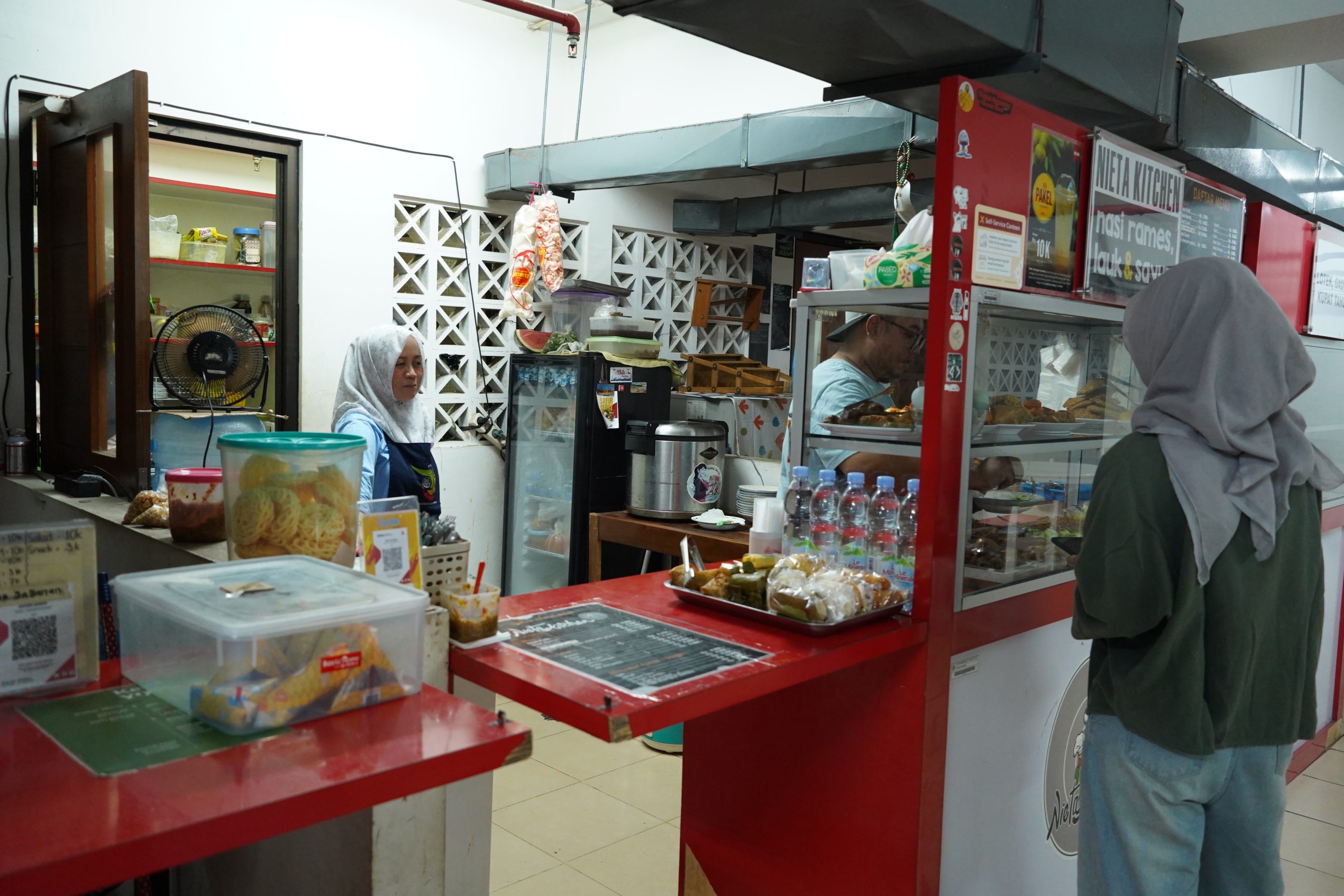
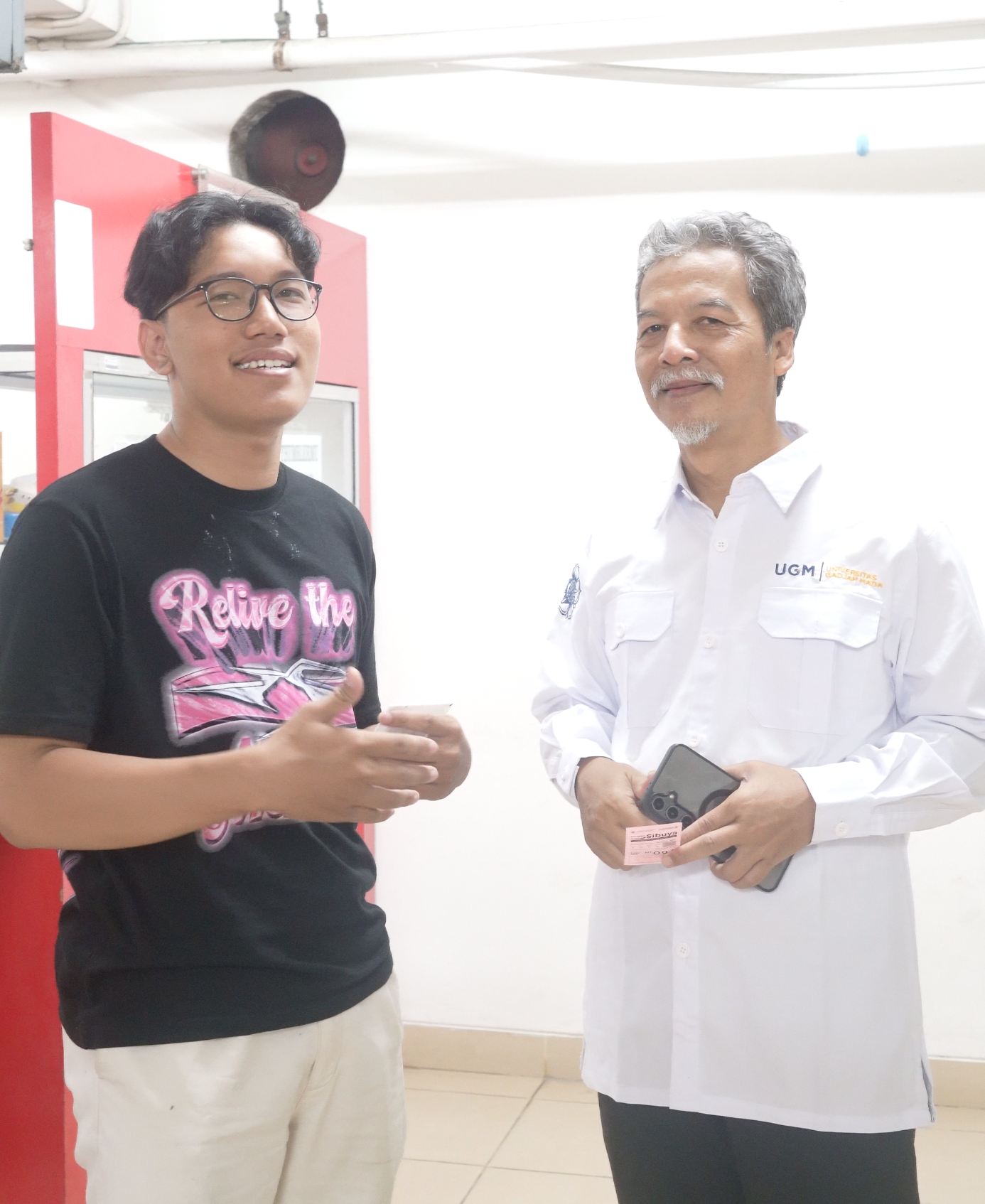
Yogyakarta, December 8, 2025 – The Faculty of Cultural Sciences at Universitas Gadjah Mada has once again launched the Sibuya program, which provides free breakfast for students currently taking the Odd Semester Final Exams for the 2025–2026 academic year. The program is held on December 8, 11, 15, and 18, 2025 at the Kantin Sastra using a coupon system, and on December 9 and 16, 2025 in front of the Soegondo Building, where meal boxes are distributed. A total of 200 servings are provided each day.

The Sibuya program is supported by the Parents Association of Students (POTMA) and Dharma Wanita FIB UGM. Students can redeem their food coupons at the food court area of Kantin Sastra according to the scheduled dates.

The Dean of FIB UGM, Prof. Setiadi, stated that the implementation of Sibuya reflects the faculty’s concern for students who are entering the exam period.
“Sibuya is our effort to support students who are about to take their exams. We hope this program brings them comfort and helps them feel more prepared for their finals. We also hope that more parties will participate in the future,” he said.

He added that the program is expected to help students, especially those who have not had the chance to eat breakfast before their exams.
“With Sibuya, we hope students can be assisted, particularly those who need breakfast, those who leave home without eating, or those who have not eaten at their boarding house, so they can take their exams with peace of mind. We are truly grateful to Dharma Wanita and the Parents Association for their full support of this program,” he explained.

The presence of Sibuya not only provides nutritional benefits and physical readiness but also fosters solidarity and a sense of community within the campus environment. The initiative stands as a tangible example of collaboration between institutions, families, and students in creating a caring and inclusive academic atmosphere.

Through this simple yet meaningful effort, Sibuya reminds us that attention to basic needs can be a powerful force in shaping a healthier and more empowered younger generation, equipped to face future challenges. This spirit of togetherness is expected to continue growing and inspiring sustainable development efforts in the field of education.

[Public Relations of FIB UGM,  Candra Solihin]

Sosmas Berbagi 2025: Blessings in the Month of Ramadan

HEADLINESNews ReleaseSDGs 10: Reduced InequalitiesSDGs 2: Zero Hunger Tuesday, 6 May 2025

Yogyakarta, 30/4/2025 – Towards the end of the last Ramadan, the social division of HMJ KAMASTAWA carried out an annual work program, namely Sosmas Berbagi. Sosmas Berbagi is an annual agenda of the social division of society which is generally carried out in the month of Ramadan every year, namely the distribution of alms to people in need in the form of consumption for breaking the fast.

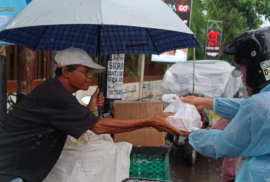
This year, Sosmas Berbagi was held on Saturday, March 22, 2025. Together with members of the social division of society and representatives from other divisions, they left campus and went around Kotabaru and Gejayan. From the funds collected amounting to one million rupiah, the social division distributed it in the form of heavy meals, namely fried chicken rice and iced tea.

It was decided that the target recipients of this alms distribution were people who mostly live and work on the road. For example, online motorcycle taxi drivers, pedicab drivers, parking attendants, and others.

The journey started at around 16.40. The team that left was divided into two, one towards Kotabaru, one towards Gejayan. However, not long after, rain suddenly fell heavily. Finally, the social team was forced to take shelter on the side of the road for about 20 minutes, waiting for the rain to at least ease a little. After the rain had eased a little, the social team continued the mission, but to anticipate more rain, all members wore raincoats.

Thank God, despite the weather constraints, the social team managed to complete their work program and was welcomed by the community who received it. Hopefully, with this work program, the HMJ KAMASTAWA social team can continue to play a role as a trusted partner in non-profit social activities in the long term.

[Public Relation of Javanese Literature, Haryo Untoro]

Kalingga Distributes Happy Friday Donation to Yayasan Sayap Ibu DIY Branch

News ReleaseSDGSSDGs 10: Reduced InequalitiesSDGs 11: Sustainable cities and communitiesSDGs 12: Responsible consumption and productionSDGs 16: Peace justice and strong institutionsSDGs 1: No povertySDGs 3: Good health and well-being Monday, 30 December 2024

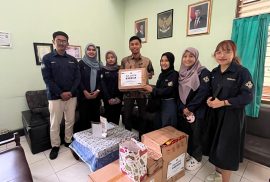
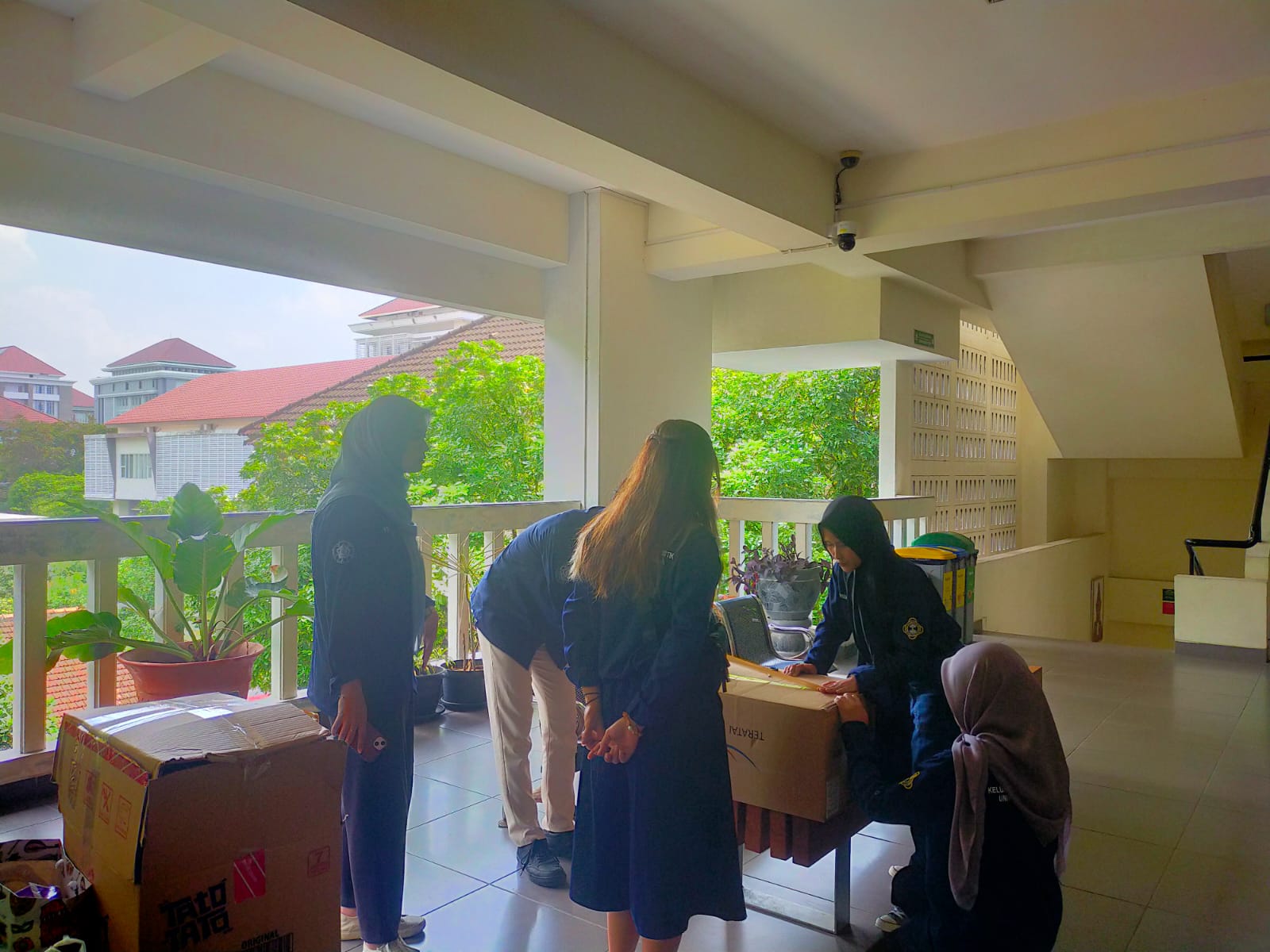
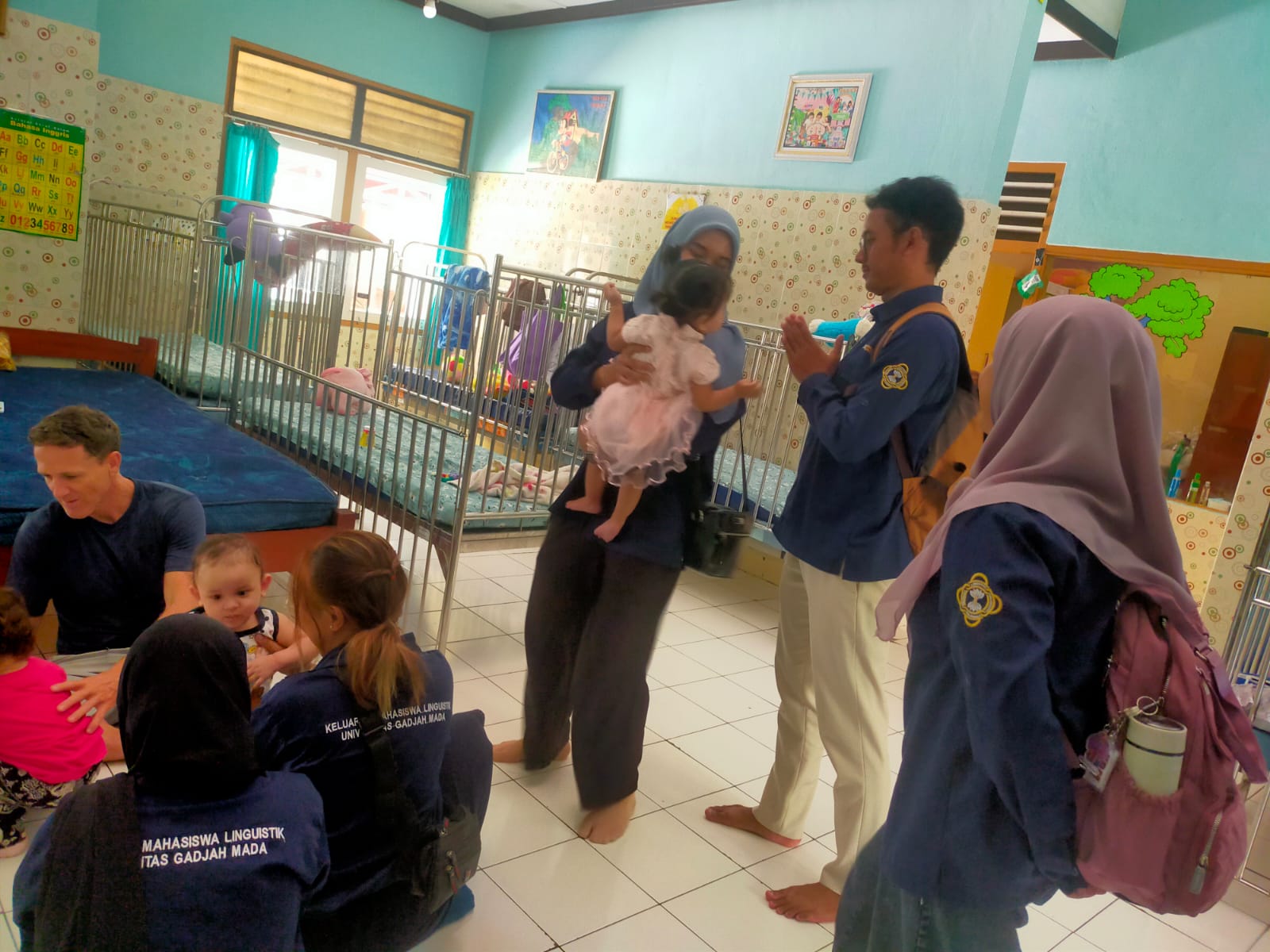
Yogyakarta, 21st of November 2024 – In the spirit of sharing happiness and social care, Kalingga (Keluarga Linguistik Gadjah Mada) Aksosmas (Social Action & Society) division is proud to report the success of the Happy Friday program. Through this program, the donations collected have been distributed to the brothers and sisters at Yayasan Sayap Ibu DIY Branch, located at Jl. Rajawali No. 3, Pringwulung, Condongcatur, Sleman, Yogyakarta.

The donations that have been received and distributed are:

  1. 52 clothes (shirts and pants)
  2. 1 shoulder bag
  3. Food packages, converted from cash received, including pampers, milk, baby food, snacks, and eggs.

Kalingga would like to thank all those who have supported this program through donations and encouragement. Without the contributions of the Kalinggaes, this program would not have been possible.

“We hope that this assistance can bring benefits and happiness to those in need,” said a representative of Kalingga Aksosmas Branch.

With the success of this program, Kalingga continues to be committed to making social activities an important part of the community, bringing positive impacts to the surrounding community. Thank you for being part of this act of kindness!

SIBUYA FIB UGM Comes with an Extra Day!

ANNOUNCEMENTHEADLINESNews ReleaseSDGs 11: Sustainable cities and communitiesSDGs 12: Responsible consumption and productionSDGs 16: Peace justice and strong institutionsSDGs 1: No povertySDGs 2: Zero HungerSDGs 3: Good health and well-beingSDGs 4: Quality Education Wednesday, 4 December 2024

Hello, Mahadaya!

 There is good news for those of you who take part in the SIBUYA (Breakfast at Faculty of Cultural Sciences UGM) program during the Final Semester Examination (UAS) Gasal. The Faculty of Cultural Sciences UGM has added an additional breakfast schedule to help maintain the spirit of students while taking UAS. The SIBUYA program will now also be held on two additional days, namely Thursday, December 5 and 12, 2024.

For this additional schedule, you can enjoy a nutritious breakfast at Selasar Soegondo. This program is presented by POTMA FIB UGM, with the hope of providing extra energy and enthusiasm for Mahadaya during the exam.

Don’t miss this opportunity to start the day with a healthy and nutritious breakfast! A healthy life starts with a fit body, and breakfast is an important key to facing exam challenges.

Keep your spirits up, Mahadaya, enjoy your SIBUYA, and have a successful UAS!

– FACULTY OF CULTURAL SCIENCES UGM

1234

Video UGM

[shtmlslider name='shslider_options']
Universitas Gadjah Mada

Faculty of Cultural Sciences
Universitas Gadjah Mada
Jl. Nusantara 1, Bulaksumur Yogyakarta 55281, Indonesia
   fib@ugm.ac.id
   +62 (274) 513096
   +62 (274) 550451

Work Units

  • Office of Journal & Publishing
  • INCULS
  • Information Technology and Database
  • Language Learning Center
  • Library Unit
  • Public Relations
  • Research

Facilities

  • Computer Laboratory
  • Gamelan
  • Guest House
  • Language Library
  • Library
  • Phonetics Library
  • Self Access Unit
  • Student Internet Centre

Importan Links

  • Journal of Humaniora
  • Subscriber Journal
  • Alumni Portal
  • Career
  • Departmens News
  • UGM Streaming

Contacts

  • Academic
  • Administration
  • Dean’s Office
  • Departments / Study Programs
  • Public Relations

© 2024 Faculty of Cultural Sciences Universitas Gadjah Mada

KEBIJAKAN PRIVASI/PRIVACY POLICY

[EN] We use cookies to help our viewer get the best experience on our website. -- [ID] Kami menggunakan cookie untuk membantu pengunjung kami mendapatkan pengalaman terbaik di situs web kami.I Agree / Saya Setuju