• About UGM
  • Academic Portal
  • IT Center
  • Library
  • Research
  • Webmail
  • Informasi Publik
  • English
    • Indonesia
Universitas Gadjah Mada Faculty of Cultural Sciences
Universitas Gadjah Mada
  • Home
  • Profile
    • History
    • Vision and Mission
    • Organizational structure
    • Administration
    • Staff
    • Faculty Members
  • Academic
    • Academic Calendar
    • Undergraduate Programs
      • Bachelor of Cultural Antrophology
      • Bachelor in Archaeolagy
      • Bachelor in History
      • Bachelor in Tourism
      • Bochetor in Korean Language and Culture
      • Bachelor in Indonesian Language and Culture
      • Bachelor in English
      • Bachelor in Arabic
      • Bachelor in Japanese Language and Culture
      • Bachelor in Javanese Language, Literature and Culture
      • Bachelor in French language and literature
    • Graduate Programs
      • Master in Antrophology
      • Master in ArchaeoIogy
      • Master in History
      • Master in Linguistics
      • Master in Literature
      • Master In American Studies
      • Master in Middle Eastern Cultural Studies
    • Post-Graduate Programs / S3
      • Doctor in Antropology
      • Doctor in American Studies
      • Doctor in Humanities
    • Student Service
  • KPPM
    • Research Information
    • Scientific / Academic Publications
    • Community Service
    • International Cooperation
    • Domestic Cooperation
  • Student Organizations
    • Student Executive Council
    • Semi-Autonomous Organizations
      • KAPALASASTRA
      • Christian Student Alliance
      • LINCAK
      • Saskine
      • Catholic Student Family
      • Dian Budaya
      • Sastra Kanuragan (sasgan)
      • Family of Muslim Cultural Sciences Students (KMIB)
      • Bejo Mulyo
    • Autonomous Organizations
      • Family of Anthropology Students (KEMANT)
      • English Department Student Association
      • Tourism Students Association (HIMAPA)
      • Family of Indonesian Literature Students (KMSI)
      • West Asian Literature Student Association (IMABA)
      • Association of Korean-Language Students (HIMAHARA)
      • Family of Regional Indonesian Literatures Students (KAMASUTRA)
      • The Family Body of History Students (BKMS)
      • The French Literature Students Association (HMSP)
      • Family of Anthropology Students
      • Japanese Student Association (HIMAJE)
  • Admission
    • Student Evaluation
  • Home
  • SDGs 17: Partnerships for goals
  • SDGs 17: Partnerships for goals
Arsip:

SDGs 17: Partnerships for goals

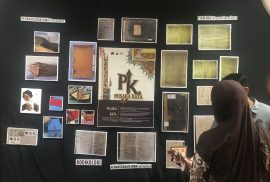
“Pusaka Kata” Exhibition Showcases Interdisciplinary Collaboration to Revitalize the Manuscript Heritage of the Indonesian Archipelago

News ReleaseStudent's Activity Wednesday, 17 June 2026

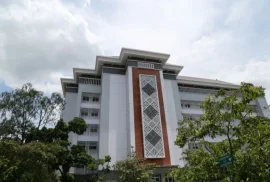
Yogyakarta, June 9, 2026 – Students from the Master’s Program in Literature and the Undergraduate Program in Javanese Language, Literature, and Culture organized a manuscript exhibition titled Pusaka Kata (“Heritage of Words”) at the first-floor lobby of Soegondo Building, Faculty of Cultural Sciences, Universitas Gadjah Mada (UGM), on Tuesday (June 9). Held from 8:30 a.m. to 3:00 p.m., the exhibition served as a platform for academic collaboration, bringing together the fields of philology, Javanese manuscript studies, and codicology in an effort to preserve and revitalize the manuscript heritage of the Indonesian archipelago.

The exhibition involved graduate students from the Philology and Javanese Manuscript Studies classes, as well as undergraduate students from the Codicology class of the Javanese Language, Literature, and Culture Program. The event was supervised by Prof. Dr. Sangidu, M.Hum., Dr. Arsanti Wulandari, S.S., M.Hum., and Zakariya Pamuji Aminullah, S.S., M.A.

Under the theme Pusaka Kata, the exhibition was inspired by the awareness that Nusantara manuscripts constitute invaluable intellectual and cultural heritage. These manuscripts preserve ancestral knowledge systems covering various aspects of life, including education, medicine, religious practices, and literature. However, beyond the threat of physical deterioration due to age, these manuscripts also face a growing challenge: the widening gap between younger generations and the knowledge contained within them.

The name Pusaka Kata was chosen to emphasize the significance of manuscripts as an intergenerational legacy. In Javanese tradition, pusaka refers not merely to an inherited object but to a trust passed down through generations, carrying values, identity, and responsibility. Meanwhile, kata (“words”) represents the medium through which knowledge has been preserved and transmitted from ancestors to future generations.
Interpreting Knowledge Preserved in Manuscripts

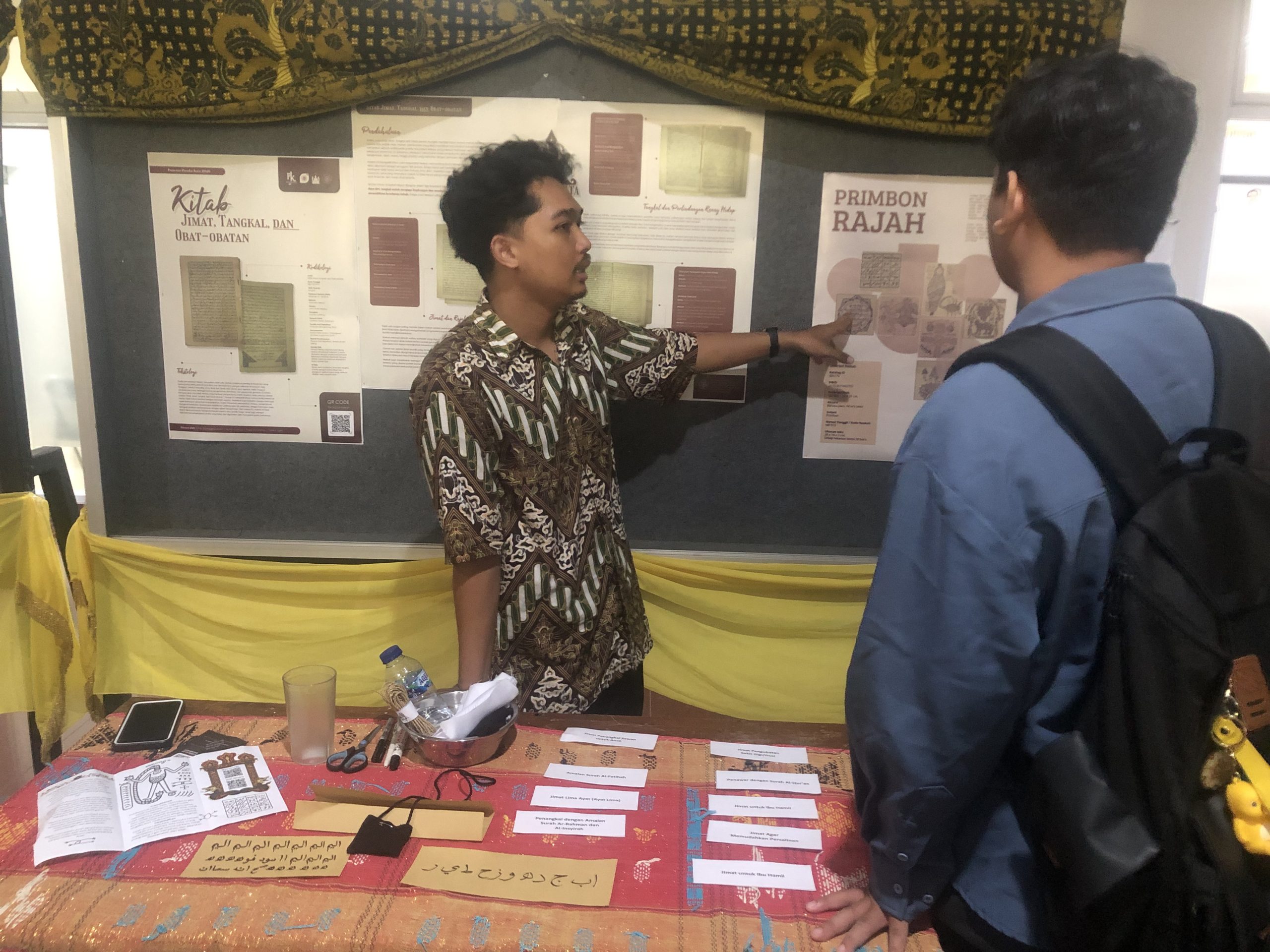
One of the highlights from the Philology class was a Malay-Islamic manuscript titled Kitab Jimat, Tangkal, dan Obat-obatan (Book of Talismans, Protective Charms, and Medicines). Digitized by the British Library through the Endangered Archives Programme (EAP), the manuscript contains knowledge related to self-protection, healing practices, and environmental safeguarding through prayers, Qur’anic verses, magical diagrams (rajah), and herbal remedies.

Fajar Nur Zaima explained that one of the most prominent sections of the manuscript discusses the virtues of Qur’anic verses, particularly the recitation of the basmalah. According to him, the manuscript presents the basmalah not merely as an opening formula but also as a source of blessings, protection, and safety in various aspects of life.

Another featured object was the section on talismans contained in Serat Primbon, a manuscript from the collection of the National Library of Indonesia, catalog number NB 973. This section includes at least twenty-nine types of talismans serving different purposes, ranging from attracting affection and maintaining health to ensuring safety and warding off misfortune.

Giandra Febriyan Haidar explained that talismanic texts can be understood as representations of how Javanese society perceived the relationship between humans, nature, and forces beyond everyday rationality. He cited a love talisman described in the manuscript as a means of gaining affection and social acceptance. In this context, he argued, talismans should not be viewed merely as magical objects but as symbols of human aspirations for harmonious social relationships.

Reading Manuscript Histories Through Physical Form and Aesthetics

The Javanese Manuscript Studies class presented research on the physical and aesthetic aspects of Javanese manuscripts. One exhibition item focused on a manuscript written in Javanese script, currently preserved in the Department of Nusantara Literature Library under the code 899.047.

Through this study, visitors were invited to understand manuscripts not only as textual repositories but also as cultural artifacts that document copying practices, literary traditions, and histories of ownership and transmission. Elements such as paper type, binding structure, script, and physical damage provide valuable information about a manuscript’s journey through time.

The class also showcased a study of manuscript illumination titled Wêdana Gapura Rênggan. The manuscript contains several texts, including Aji Pamasa, Mihradipun Jêng Nabi, Rajah Kalacakra, Jumbuhing Panembah, and Lêlampahanipun Raden Sahid.

Affan Akbar explained that manuscript illuminations serve not only as decorative elements but also as important sources of information regarding manuscript production processes. Observations of unfinished sketches and coloring revealed that the text had been written before the ornamental designs were added. Such findings provide insights into the stages undertaken by manuscript scribes in producing complete handwritten works.
Codicology and Creative Approaches to Manuscript Preservation

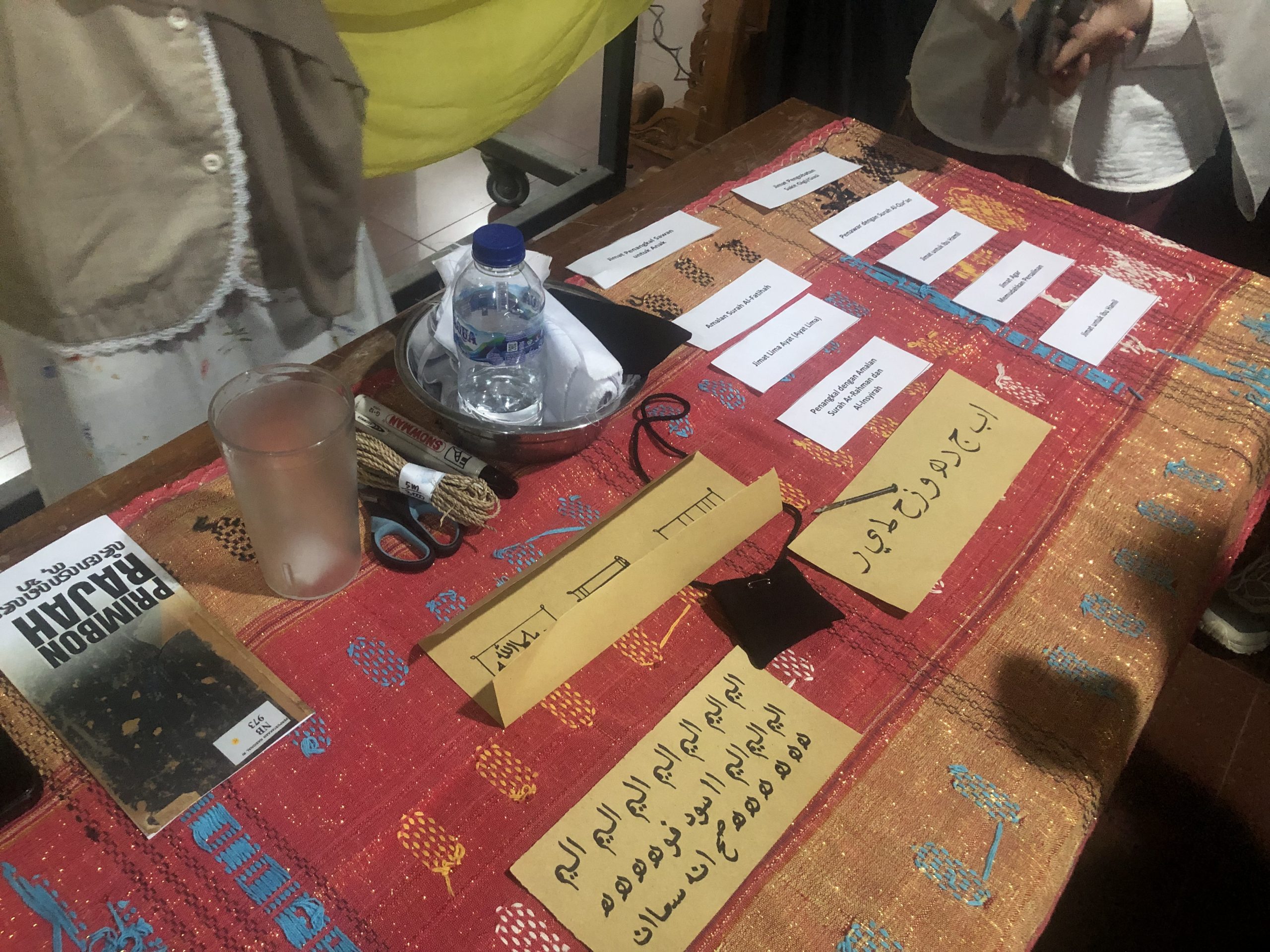
Meanwhile, the Codicology class introduced visitors to the study of manuscripts from a material perspective. Codicology examines manuscripts as physical objects, including their writing materials, binding techniques, ornaments, layouts, and patterns of damage that record traces of their historical use.

In addition to presenting research findings, students displayed practical projects such as manuscript covers, storage boxes, and hand-bound books accompanied by interpretive narratives.

One work that attracted particular attention was created by Arfia Kholifatul, who adopted the Javanese wayang character Semar as the central theme of her bookbinding and cover design. Through imagery inspired by shadow puppetry and botanical motifs, the work interpreted Javanese philosophical values such as urip iku urup—the belief that life should bring benefits to others. The upward-growing leaves and vines symbolized the continuous pursuit of truth and the sustainability of life.

Through the collaboration of these three academic fields, the Pusaka Kata Exhibition offered a comprehensive perspective on manuscripts as living cultural heritage. Rather than being regarded merely as historical artifacts preserved in archives, manuscripts were presented as enduring sources of knowledge that can continue to be read, understood, and reinterpreted by contemporary generations.

Author: Khotibul Umam
The Javanese Language, Literature, and Culture Study Program Participates in the 2025 Nusantara Manuscript Community (Manassa) Event

News Release Wednesday, 22 October 2025

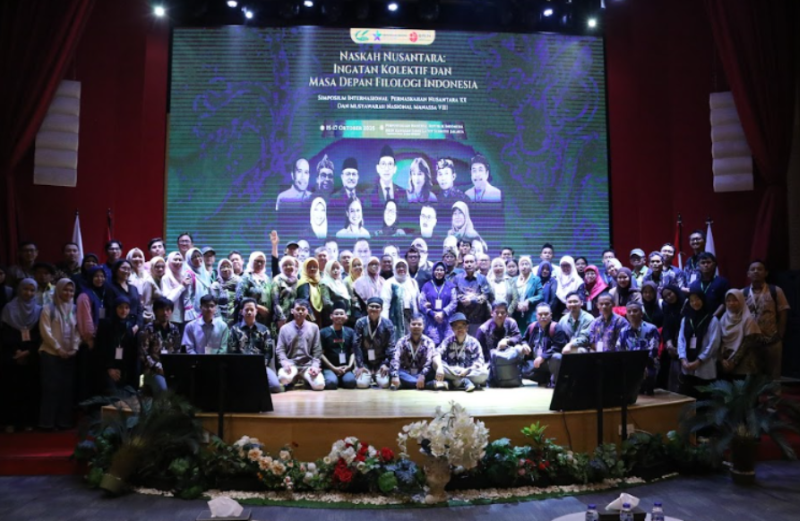
Yogyakarta, October, 22, 2025 – The Javanese Language, Literature, and Culture Program demonstrated its role in the preservation and development of the archipelago’s manuscript heritage through its participation in a series of activities organized by the Nusantara Manuscript Society (Manassa) 2025. This prestigious event included the 20th Nusantara Manuscript International Symposium, the 2025 National Collective Memory Manuscript Award (IKON), and the 8th National Conference of the Nusantara Manuscript Society, which will take place on October 15-17, 2025, at the Auditorium of the National Library of the Republic of Indonesia and the National Research and Innovation Agency (BRIN) Building in Jakarta. This event, attended by researchers, academics, and manuscript enthusiasts from various regions in Indonesia, is an important forum for strengthening collaboration in the preservation, research, and utilization of ancient Nusantara manuscripts as the nation’s cultural heritage.

On this occasion, Dr. Arsanti Wulandari, M.Hum., a lecturer in the Javanese Language, Literature, and Culture Study Program, together with Nanda Nursa Alya, S.S., an alumnus from the same study program, actively participated not only as participants but also as speakers at the XX International Symposium on Nusantara Manuscripts.

The symposium, held on Thursday, October 16, 2025, at the BRIN Widya Graha Building, began with participant registration at 8:15 a.m. Western Indonesian Time, followed by the opening and panel sessions divided into 11 major themes. In each panel, researchers presented their research results and discussed various aspects of manuscript writing in a scientific manner.

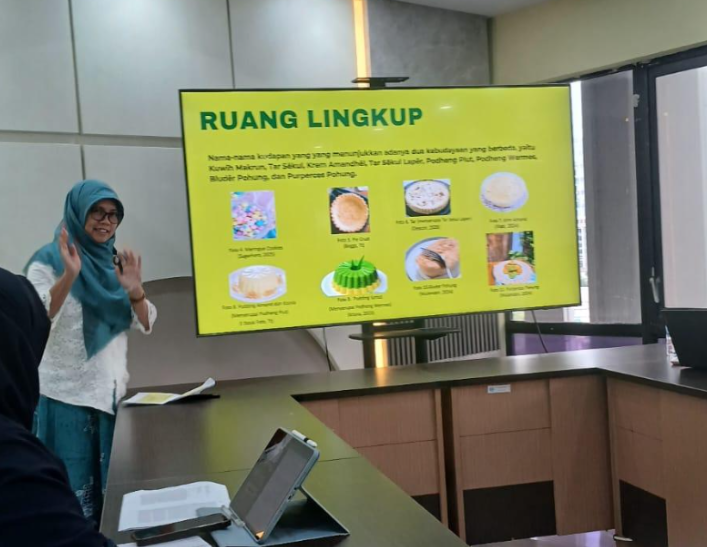
During the session, Dr. Arsanti Wulandari, M.Hum., together with Nanda Nursa Alya, S.S., presented a paper entitled Hybridity of Snacks in Manuscript NB 499: A Linguistic and Cultural Review. The research addressed the theme of “Traditional Knowledge and Technology” by examining a manuscript from the National Library of Indonesia collection labeled R. Aj. Kramahudjana and stamped with the Internationale Crediet en Handelsvereeniging Rotterdam (1931) book stamp.

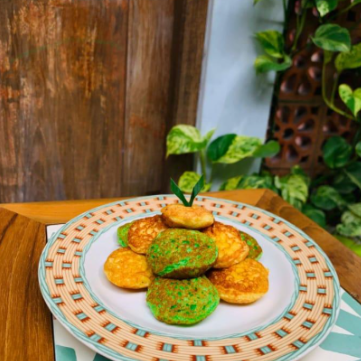
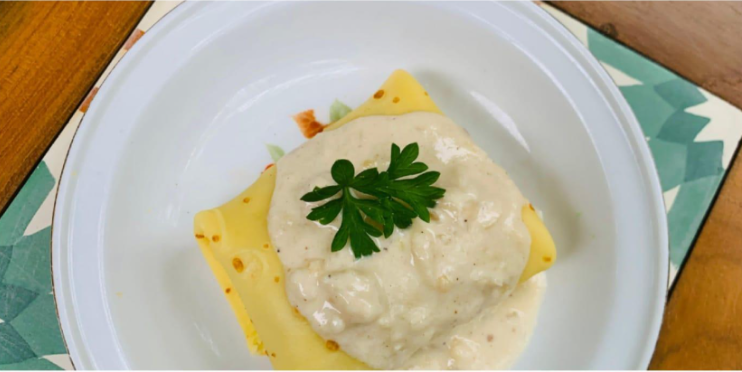
This study highlights the phenomenon of cultural hybridity—a blend of Javanese and European (Dutch and French) elements—as reflected in the culinary diversity described in the manuscript. One interesting example is the Purpercĕs Pohung snack, which etymologically is a vernacularization of the Dutch word poffertjes (a type of small cake) and the Javanese word pohung (cassava). The phoneme poffertjes was adapted to purpercĕs, demonstrating the dynamics of language and cultural interaction at that time. 

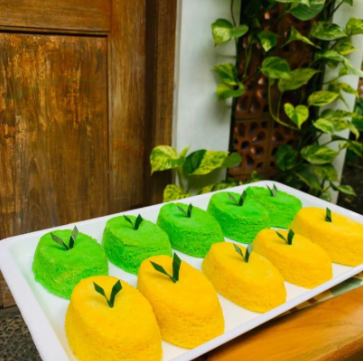
The appearance of the Prastila (top right), Bludĕr Pohung (top left), Purpercĕs Pohung (bottom) 

Documentation by Dr. Arsanti Wulandari, M.Hum.


The participation of the Javanese Language, Literature, and Culture Study Program in the Manassa 2025 event is a tangible manifestation of academics’ commitment to preserving Nusantara manuscripts as a relevant source of knowledge for modern life. Through such studies, knowledge from the past is revived to benefit the wider community, in line with the Sustainable Development Goals (SDGs), particularly those related to quality education, sustainable cities and communities, and partnerships to achieve goals.

[Javanese Language, Literature and Culture, Haryo Untoro]

Departure! UGM Community Service Program Team Period IV “Menjamu Lawu” Ready to Serve for 50 Days

News ReleaseSDGSSDGs 10: Reduced InequalitiesSDGs 11: Sustainable cities and communitiesSDGs 12: Responsible consumption and productionSDGs 17: Partnerships for the GoalsSDGs 3: Good health and well-beingSDGs 4: Quality EducationSDGs 8: Decent work and economic growthSDGs 9: Industry innovation and infrastructure Tuesday, 31 December 2024

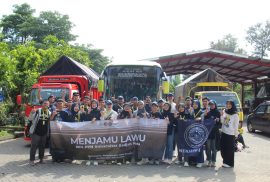
Yogyakarta, December 20, 2024 – The Universitas Gadjah Mada (UGM) Period IV Community Service Program (KKN-PPM) Ngargoyoso “Menuju Lawu” team was officially dispatched to the service locations in Kemuning Village and Berjo Village, Ngargoyoso District, Karanganyar Regency. The team will run the service program for 50 days.

Preparations for departure began early in the morning at 07.30 WIB at the UGM Fire Brigade Post. Students were seen busy loading equipment such as suitcases, backpacks, and other needs to support activities in the field. Before leaving, all team members underwent a final briefing to ensure coordination and readiness.

Among the team members, there are two students from the Faculty of Cultural Sciences UGM, namely I Putu Adhimas Radiansyah Aryawan (Archaeology Study Program, class of 2022) and Khirana Marwadika (History Study Program, class of 2022). Their presence is expected to contribute to the optimization of village potential and community empowerment programs based on Smart Village and Eco Tourism in both villages.

The trip from Yogyakarta to Kemuning Village and Berjo Village took about 2.5 hours. Arriving at the location, the team immediately conducted a briefing and cleaned up to start the service. For the next 50 days, the KKN-PPM UGM team will try to help the local community in developing the village potential while creating a sustainable empowerment model.

With the spirit of togetherness, the team hopes that this program will not only provide tangible benefits to the people of Kemuning Village and Berjo Village but also become a valuable experience for UGM students in implementing the knowledge they have learned in college.

Translate Every Word With Us!

ANNOUNCEMENTHEADLINESSDGSSDGs 11: Sustainable cities and communitiesSDGs 12: Responsible consumption and productionSDGs 17: Partnerships for the GoalsSDGs 4: Quality EducationSDGs 8: Decent work and economic growth Tuesday, 31 December 2024

WHy Choose Us:

Sworn and non-sworn translation services available

10+ languages available

Certified translation

Forward and backward translation available


English Translation Pricelist (Best Seller)

Type Cost Based on
Translation
Sworn 170,000 Finished page
Non-sworn 600/word (reguler) Origin page
800/word (express)
Editing
Non-sworn Rp400/word (reg) Origin page
Rp600/word (exp) Origin page


Non-English translation, the fee refers to HPI Acuan Tariff for Translation – Indonesian Translators Association


How to Get Your Translation:

Client sends documents for translation and consults on the type of translation needed.

After agreeing on the type of translation, Admin calculates the translation fee and estimated workmanship

Admin sends payment invoice

Client pays according to the invoice

Translation is processed according to the estimated workmanship

Prepare for your English Proficiency Test Now!

ANNOUNCEMENTHEADLINESSDGSSDGs 11: Sustainable cities and communitiesSDGs 12: Responsible consumption and productionSDGs 17: Partnerships for the GoalsSDGs 4: Quality EducationSDGs 8: Decent work and economic growth Tuesday, 31 December 2024

AcEPT, IELTS, TOEFL 

Best Seller Course


Benefit:

Exclusive module

25 intensive class sessions

 Progress test

Mentor discussion forum

Access to class recordings

Course certificate


Course Implementation Period

February 10-March 14

Offline: 16.30-18.10 WIB (100 minutes)

Online: 18.30-10.20 WIB (100 minutes)


NB: Adjustment of course hours during Ramadhan will be discussed in the course discussion group.


Course enrollment timeline for Feb-Mar 2025 period


Registration = Jan 2-Feb 2

Participant Confirmation = Feb 3-4

Payment = Feb 5-7

Implementation = Feb 10th


How to Get:

Participants fill out the course registration form according to the course to be selected.

After the registration is closed, prospective participants will be contacted for reconfirmation by the Language Center Admin via WhatsApp.

If the confirmed course participants meet the quota (7 people), prospective participants proceed to the course payment stage. 

Course participants pay the course fee to the account sent via WhatsApp.

Participants log in to their respective course groups.


Course registration form:


Online


AcEPT ugm.id/AcEPT25On
IELTS ugm.id/TOEFL25On
TOEFL ugm.id/IELTS25On


Offline


AcEPT ugm.id/AcEPT25Off
IELTS ugm.id/TOEFL25Off
TOEFL ugm.id/IELTS25Off


123…12

Video UGM

[shtmlslider name='shslider_options']
Universitas Gadjah Mada

Faculty of Cultural Sciences
Universitas Gadjah Mada
Jl. Nusantara 1, Bulaksumur Yogyakarta 55281, Indonesia
   fib@ugm.ac.id
   +62 (274) 513096
   +62 (274) 550451

Work Units

  • Office of Journal & Publishing
  • INCULS
  • Information Technology and Database
  • Language Learning Center
  • Library Unit
  • Public Relations
  • Research

Facilities

  • Computer Laboratory
  • Gamelan
  • Guest House
  • Language Library
  • Library
  • Phonetics Library
  • Self Access Unit
  • Student Internet Centre

Importan Links

  • Journal of Humaniora
  • Subscriber Journal
  • Alumni Portal
  • Career
  • Departmens News
  • UGM Streaming

Contacts

  • Academic
  • Administration
  • Dean’s Office
  • Departments / Study Programs
  • Public Relations

© 2024 Faculty of Cultural Sciences Universitas Gadjah Mada

KEBIJAKAN PRIVASI/PRIVACY POLICY

[EN] We use cookies to help our viewer get the best experience on our website. -- [ID] Kami menggunakan cookie untuk membantu pengunjung kami mendapatkan pengalaman terbaik di situs web kami.I Agree / Saya Setuju