
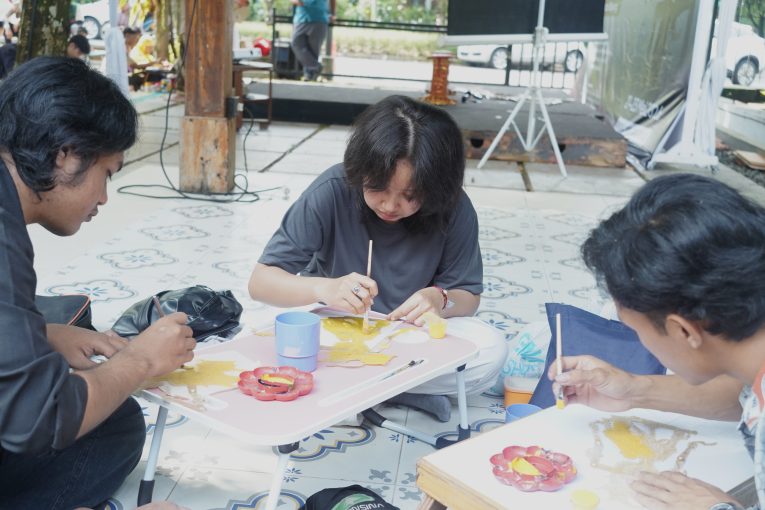
Yogyakarta, May 21, 2026 – The Faculty of Cultural Sciences at Universitas Gadjah Mada (FIB UGM) is hosting the Gadjah Mada Wayang Festival 2026 from May 21 to 23, 2026. The festival features a traditional leather puppet painting (sungging) competition and a cardboard puppet coloring contest, representing a concrete step by the educational institution to preserve Indonesian heritage.
This event is part of the EQUITY program funded by the Indonesian Endowment Fund for Education (LPDP RI) and serves as a celebration of the 80th anniversary of FIB UGM. This year, the Gadjah Mada Wayang Festival adopts the grand theme “Kita. Butuh. Wayang.” (We. Need. Wayang.). The theme conveys a vital message about fostering a balanced synergy between the university’s academic discourse and the livelihoods of wayang craftsmen in Butuh Hamlet, Sidowarno Village, Klaten Regency.
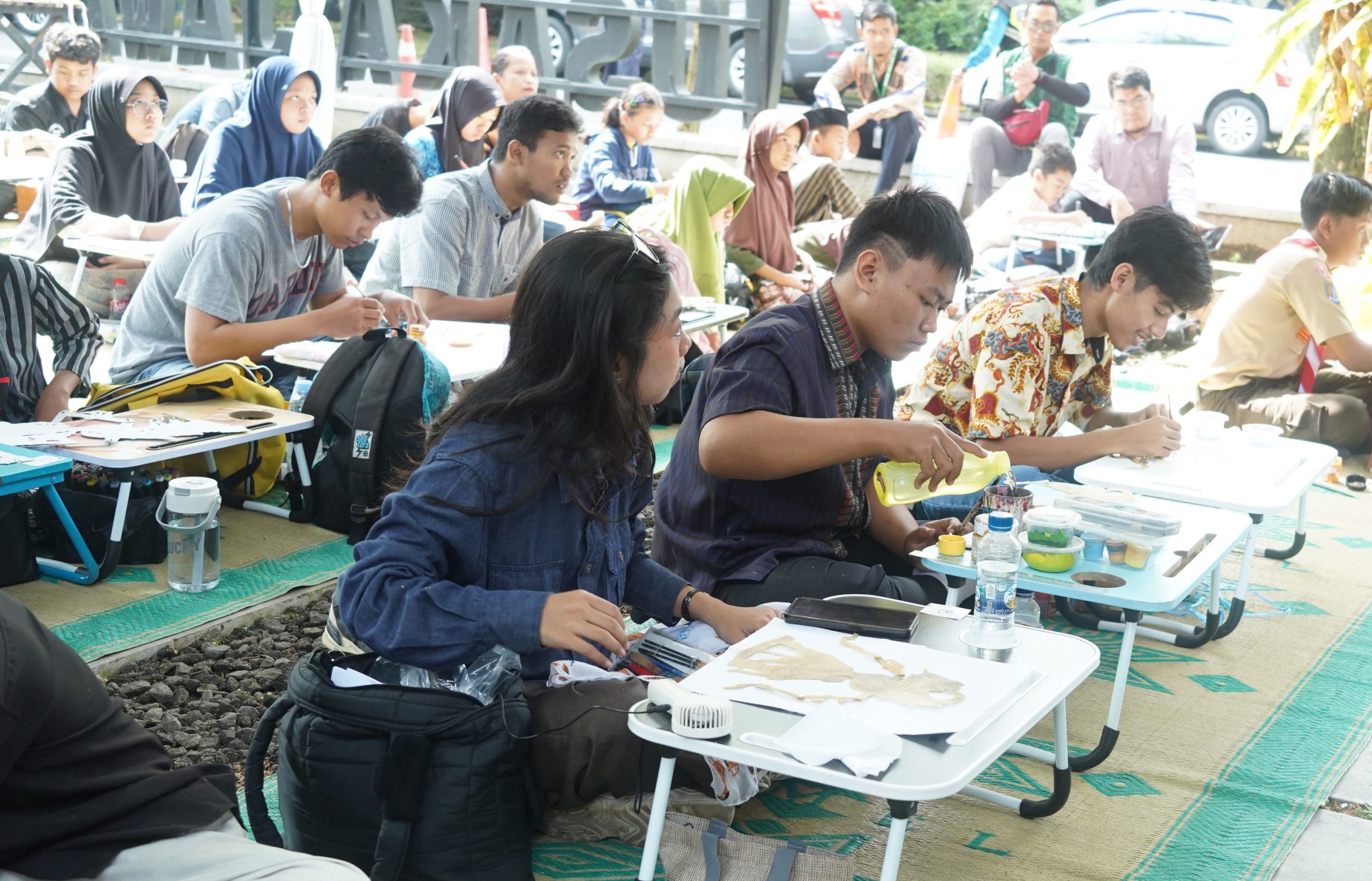
The competitions began simultaneously on Thursday, May 21, 2026, at 09:30 AM WIB. The leather puppet painting competition targets high school students, university students, and the general public from various regions, with a maximum age limit of 25. The organizing committee provided a Surakarta-style Gathutkaca puppet character as the primary medium. Participants are given five and a half hours to complete their work individually. They are free to choose their painting style based on personal preference, such as the Surakarta or Yogyakarta style.
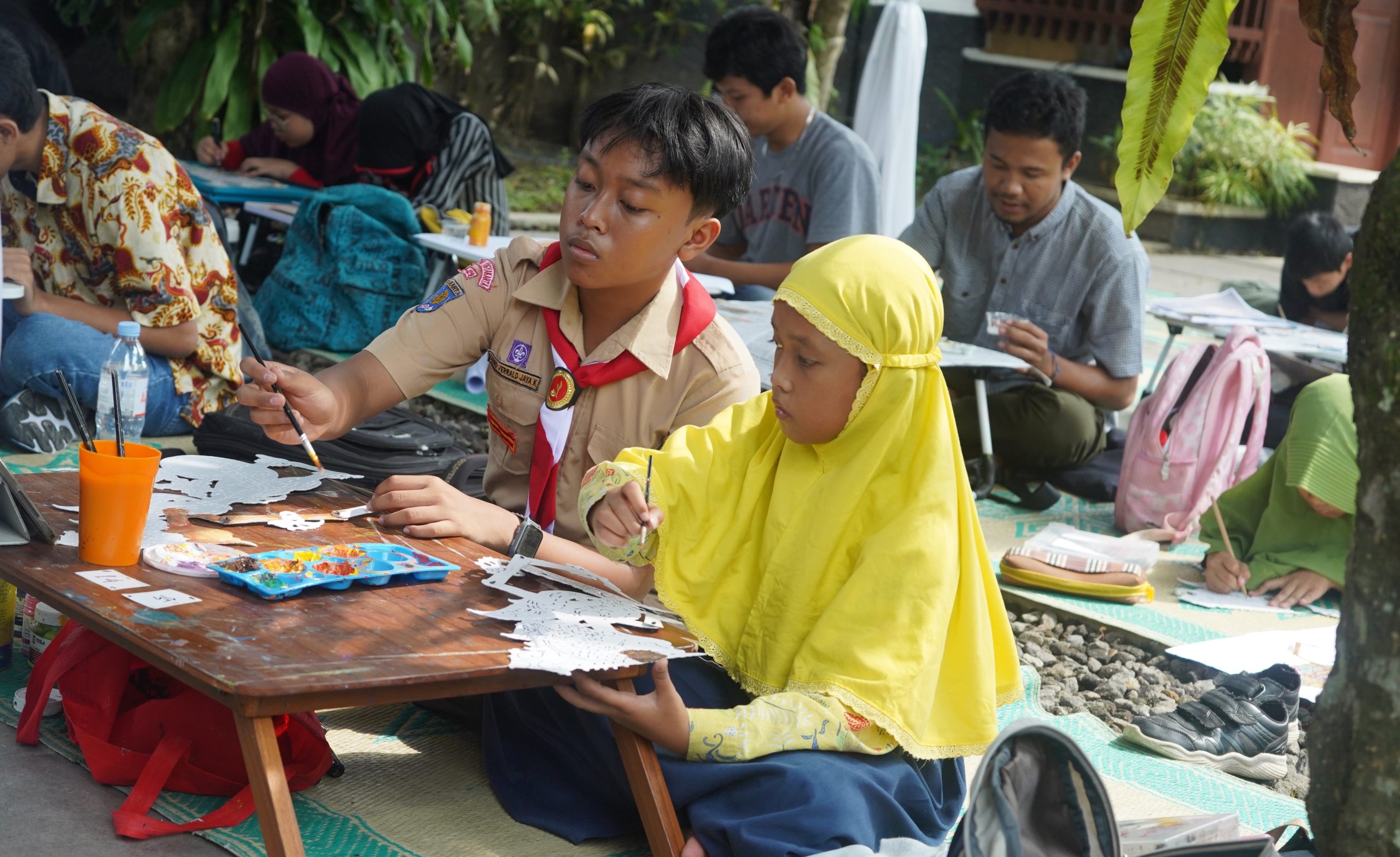
Alongside this event, the committee is holding an in-person cardboard puppet (Wayang Karton) coloring competition at Pusaka Jawa UGM. This competition is specifically designed for elementary and junior high school students. Participants are given three hours to complete their work. All entries from both competitions will be returned and remain the full property of the participants after the winners are announced.
The evaluation for both competitions takes place in a single judging phase. The primary criteria used by the panel of judges include coloring technique, color composition, neatness and cleanliness, as well as the level of creativity shown by the participants.
These efforts to preserve wayang artistry serve as an important bridge to keep local cultural heritage deeply rooted in the identity of the younger generation. The close collaboration between the higher education institution and village artisans demonstrates that protecting tradition goes hand in hand with community empowerment and strengthening the local economy for the future.
[Public Relations of FIB UGM, Candra Solihin]
