• About UGM
  • Academic Portal
  • IT Center
  • Library
  • Research
  • Webmail
  • Informasi Publik
  • English
    • Indonesia
Universitas Gadjah Mada Faculty of Cultural Sciences
Universitas Gadjah Mada
  • Home
  • Profile
    • History
    • Vision and Mission
    • Organizational structure
    • Administration
    • Staff
    • Faculty Members
  • Academic
    • Academic Calendar
    • Undergraduate Programs
      • Bachelor of Cultural Antrophology
      • Bachelor in Archaeolagy
      • Bachelor in History
      • Bachelor in Tourism
      • Bochetor in Korean Language and Culture
      • Bachelor in Indonesian Language and Culture
      • Bachelor in English
      • Bachelor in Arabic
      • Bachelor in Japanese Language and Culture
      • Bachelor in Javanese Language, Literature and Culture
      • Bachelor in French language and literature
    • Graduate Programs
      • Master in Antrophology
      • Master in ArchaeoIogy
      • Master in History
      • Master in Linguistics
      • Master in Literature
      • Master In American Studies
      • Master in Middle Eastern Cultural Studies
    • Post-Graduate Programs / S3
      • Doctor in Antropology
      • Doctor in American Studies
      • Doctor in Humanities
    • Student Service
  • KPPM
    • Research Information
    • Scientific / Academic Publications
    • Community Service
    • International Cooperation
    • Domestic Cooperation
  • Student Organizations
    • Student Executive Council
    • Semi-Autonomous Organizations
      • KAPALASASTRA
      • Christian Student Alliance
      • LINCAK
      • Saskine
      • Catholic Student Family
      • Dian Budaya
      • Sastra Kanuragan (sasgan)
      • Family of Muslim Cultural Sciences Students (KMIB)
      • Bejo Mulyo
    • Autonomous Organizations
      • Family of Anthropology Students (KEMANT)
      • English Department Student Association
      • Tourism Students Association (HIMAPA)
      • Family of Indonesian Literature Students (KMSI)
      • West Asian Literature Student Association (IMABA)
      • Association of Korean-Language Students (HIMAHARA)
      • Family of Regional Indonesian Literatures Students (KAMASUTRA)
      • The Family Body of History Students (BKMS)
      • The French Literature Students Association (HMSP)
      • Family of Anthropology Students
      • Japanese Student Association (HIMAJE)
  • Admission
    • Student Evaluation
  • Home
  • SDGs 9: Industry Innovation and Infrastructure
  • (Page 3)
Arsip:

SDGs 9: Industry Innovation and Infrastructure

Accelerating Toward Scopus Indexing: UGM Faculty of Cultural Sciences Hosts Workshop to Enhance Literary Articles

News Release Monday, 18 May 2026

Yogyakarta, May 13, 2026 – The Faculty of Cultural Sciences Universitas Gadjah Mada (FIB UGM) organized the Poetika Article Workshop for Scopus Reapplication. This event is part of the Journal Governance Assistance Program Toward Scopus Indexing and UGM Journal Quartile Improvement EQUITY WCU 2025/2026, aimed at boosting the quality of scientific publications in the field of literature.

The program specifically targets students, lecturers, and literature researchers. Through an intensive mentoring scheme, this initiative is projected to expand the distribution of author affiliations, improve the quality of manuscripts published by Poetika, Journal of Literary Studies, and simultaneously increase global article citations.

Before the main workshop took place, the committee conducted a rigorous series of selection stages. The process began with manuscript submissions through a Call for Articles from February 23 to April 15, 2026. Submitted manuscripts then went through an initial screening process from April 15 to 27, 2026. Subsequently, the manuscripts entered a period of in-depth review from April 28 to May 12, 2026, in accordance with the publication guidelines of Poetika Journal.

During the workshop, ten successfully selected articles received comprehensive revision notes from two expert mentors. Dr. Phil. Muammar Zayn Qadafy and Noor Malihah, Ph.D. were tasked with analyzing the substance of each manuscript to ensure they meet international standard qualifications.

Several manuscripts reviewed by Dr. Qadafy covered topics such as children’s literature analysis, liminal space in postcolonial studies, power relations, gender inequality, and necropolitics. Meanwhile, Dr. Malihah reviewed manuscripts related to religious nationalism, mechanisms of violence, trauma representation, reading habits, and women’s resistance.
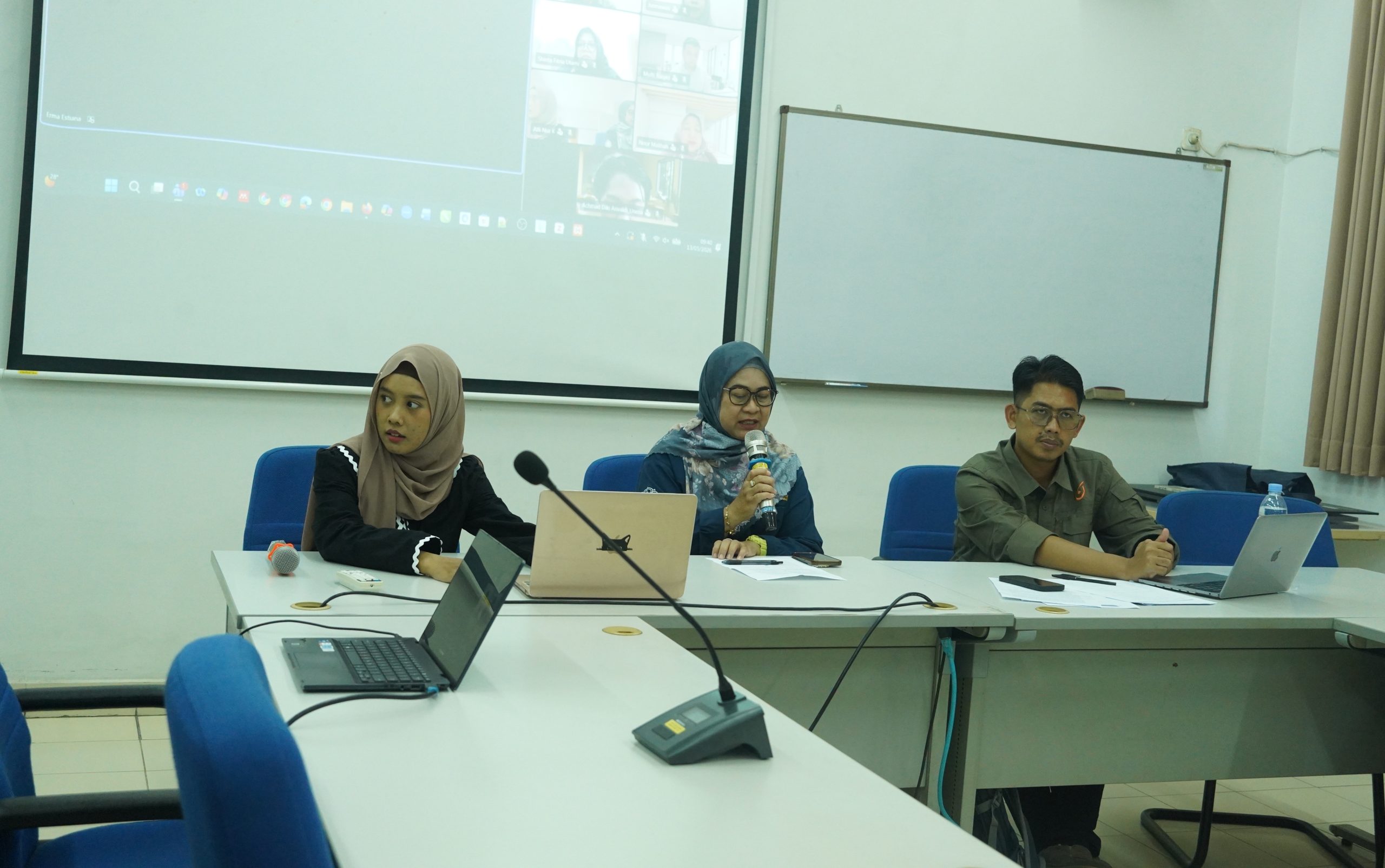
The Vice Dean for Research, Community Service, Cooperation, and Alumni of FIB UGM, Mimi Savitri, S.S., M.A., Ph.D., expressed her positive response to the implementation of this event during her opening remarks.

“We appreciate this event because it is not only to improve the quality of the participants’ articles but also part of the effort to elevate the accreditation of Poetika Journal to a higher level, from Sinta 2 to Scopus. Therefore, the faculty supports this activity because the success of Poetika is not just the participants’ success in producing high-quality and internationally recognized articles. It also expands the international network of FIB, which consequently boosts the faculty’s global recognition,” she stated.

This periodic governance and improvement of scientific publication standards reaffirm the role of educational institutions in supporting the dissemination of quality knowledge. Elevating research quality to an international level is expected to strengthen cross-border academic partnership networks and ensure the sustainability of an inclusive educational ecosystem for the broader community.

[Public Relations of FIB UGM, Candra Solihin]
Habiburrahman El Shirazy Explores the Creative Writing Process in “Suluh Rindu” Book Discussion and Mini Writing Workshop at FIB UGM

News Release Wednesday, 6 May 2026

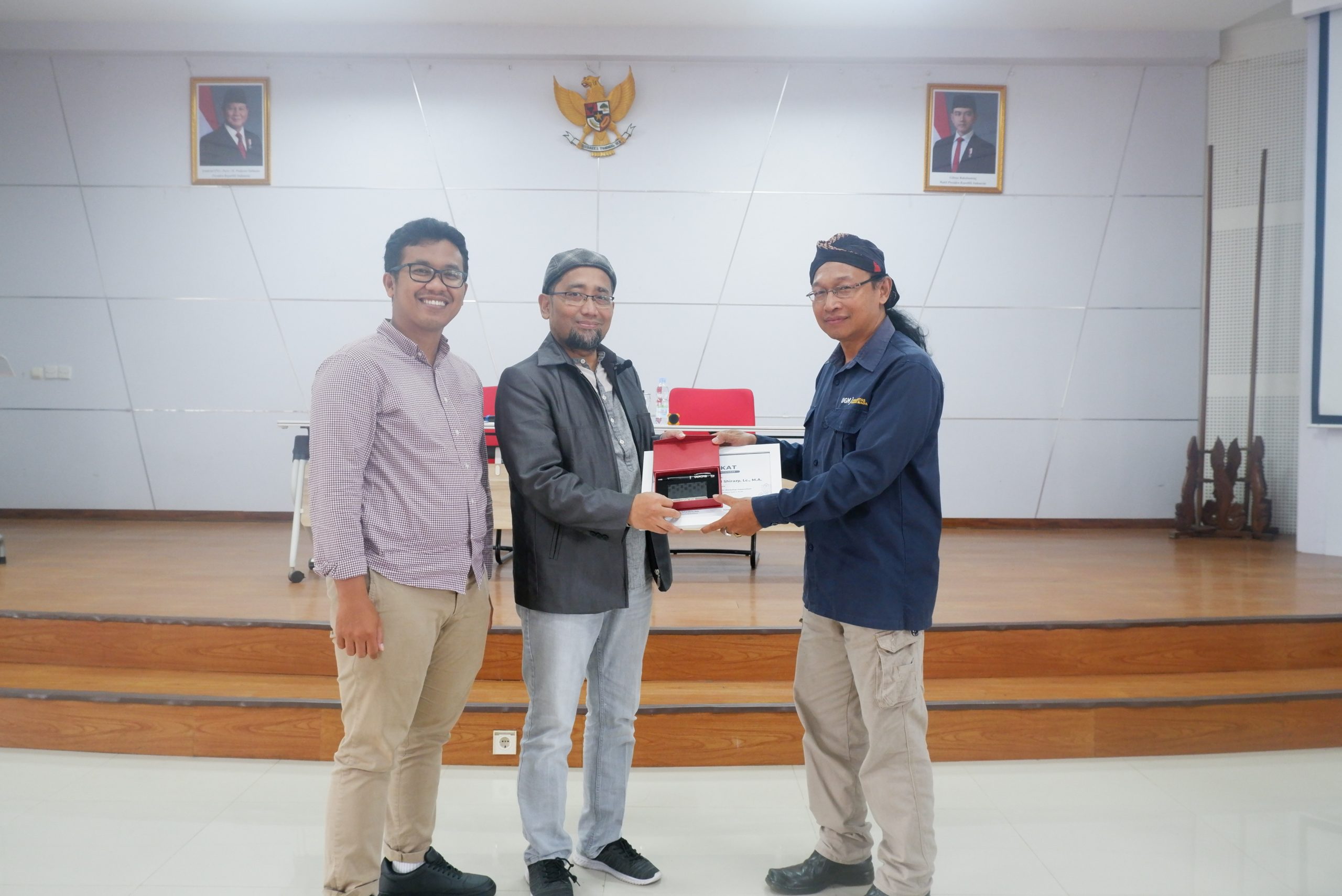
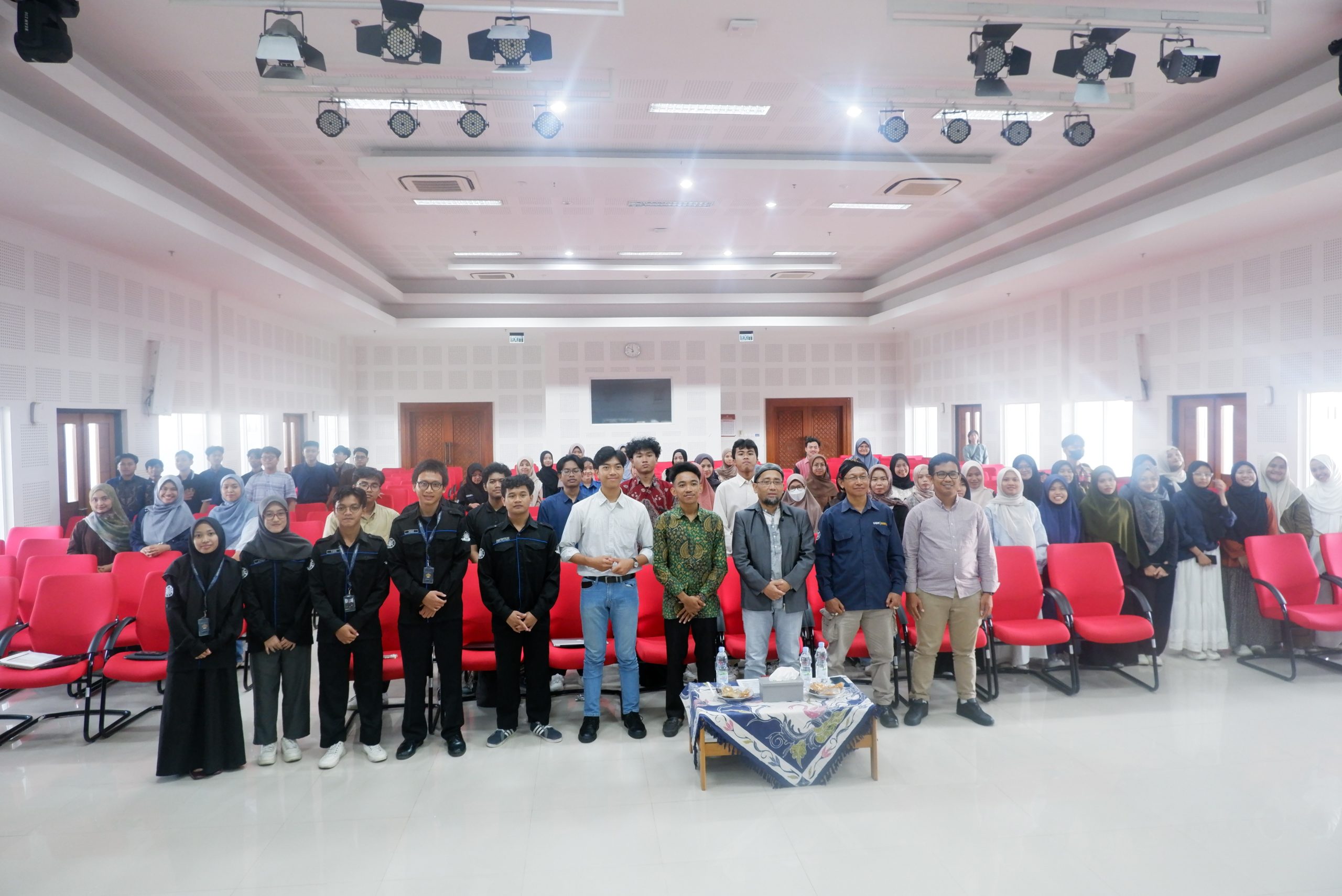
Yogyakarta, April 29, 2026 – The Academic Division of the Arabic Literature Student Association (IKMASA) successfully organized the event titled “Suluh Rindu” Book Discussion and Mini Writing Workshop, featuring prominent Indonesian novelist Habiburrahman El Shirazy at the Soegondo Auditorium, Faculty of Cultural Sciences, Universitas Gadjah Mada. Open to the public, the event aimed to enrich participants’ understanding of the creative writing process, particularly in developing ideas and experiences in creative writing, as well as emphasizing the importance of moral values in literary works.

The author, widely known as Kang Abik, explained that writing ideas can emerge from simple phenomena in everyday life. Observations of social realities, cultural contexts, and daily life dynamics can serve as endless sources of inspiration. He illustrated this through the creative process behind his novel Suluh Rindu, which was inspired by the phenomenon of rural areas being left behind by younger generations who migrate in search of better opportunities. Villages tend to become lively only during certain occasions, such as religious holidays. This phenomenon was then developed into the story of a character who travels to Egypt and experiences an inner struggle upon returning to his hometown, particularly when confronted with his father’s final wishes.

Habiburrahman also emphasized the importance of dramatic elements in literary works. According to him, a compelling story should be able to evoke readers’ emotions through strong conflict and meaningful resolution. Beyond mere entertainment, literature carries a moral responsibility. Values such as spirituality, humanity, justice, and civility should serve as the foundation of any literary work. “A good piece of writing is not only engaging to read, but also leaves a lasting impression on its readers,” he stated.

During the question-and-answer session, it was also highlighted that writing experience does not have to come solely from personal experiences. Writers can gain insight from reading, listening to others’ stories, and observing their surroundings. In addition, moral boundaries in writing depend on the author’s perspective and purpose, while still taking into account cultural values and ethical considerations.

The event concluded with the presentation of tokens of appreciation by Tohir Mustofa, S.S., M.A., and Abdul Jawat Nur, M.Hum., followed by a group documentation session. The high level of enthusiasm shown by participants reflects a strong expectation for similar forums to continue as spaces for learning, discussion, and growth for both aspiring writers and literature enthusiasts.

Penulis: Putri Azkia Nisfiatul Laili

SMA Negeri 4 Malang Visits the Faculty of Cultural Sciences UGM

News Release Wednesday, 6 May 2026

Yogyakarta, May 6, 2026 – The Faculty of Cultural Sciences (FIB), Universitas Gadjah Mada (UGM), welcomed 139 students from SMA Negeri 4 Malang as part of the Steviclass program. The visit was organized to introduce students to higher education and provide insights into the advancement of knowledge, research, and innovation within the academic environment.

During the visit, participants were introduced to various academic programs offered at UGM, student activities, and the research and innovations developed by members of the university’s academic community. Through this program, students gained a broader understanding of university life and the opportunities available for academic and personal development.

The visit is expected to motivate students to continue pursuing their educational goals and to further develop their potential. By exposing participants to higher education and research culture, the program encourages lifelong learning and intellectual curiosity among young people.

The Steviclass program supports the implementation of Sustainable Development Goal (SDG) 4: Quality Education by strengthening higher education literacy among secondary school students. In addition, introducing students to research and innovation aligns with SDG 9: Industry, Innovation, and Infrastructure, which highlights the importance of scientific and technological advancement in promoting sustainable societal development.

[Public Relation of FIB UGM, Alma Syahwalani]

UGM Anthropology Strengthens Transnational Research and Supervision Network with University of Münster

News Release Thursday, 30 April 2026

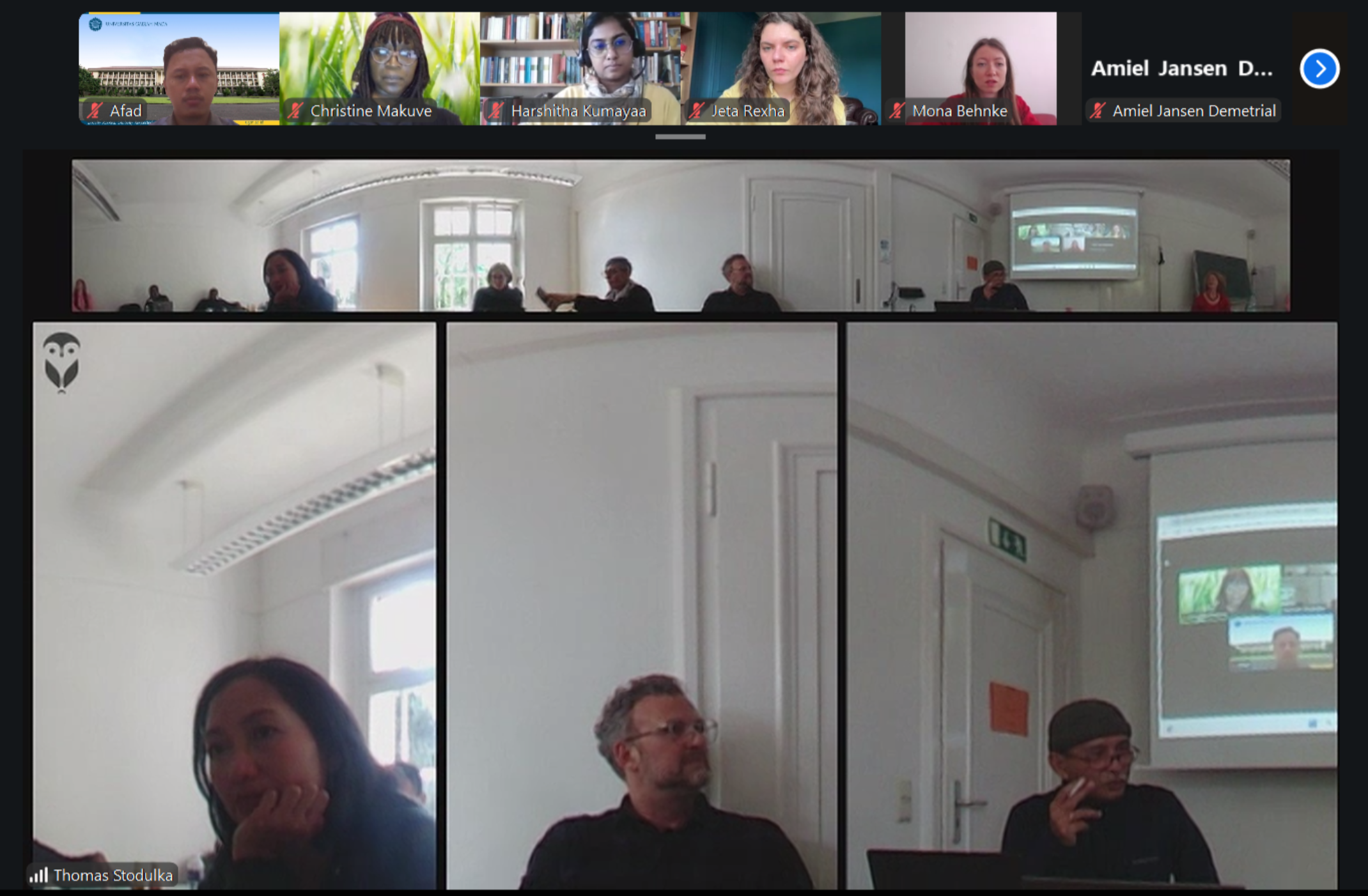
Yogyakarta, April 24, 2026 – The Department of Anthropology at the Universitas Gadjah Mada (UGM) Faculty of Cultural Sciences participated in an international workshop titled “Contesting Knowledge Formations: Towards a Transnational Research and Supervision Network.” Held in a hybrid format by the University of Münster, Germany, on Friday (24/4), the forum brought together researchers from Europe, Asia, and Africa. The primary agenda was to transform conventional doctoral supervision models into a more equitable, collaborative, and inclusive transnational network.

The event was officially opened by Professor Dr. Dorothea Schulz, Head of the Department of Social and Cultural Anthropology at the University of Münster, alongside Professor Dr. Thomas Stodulka, the program’s organizer and initiator. In their opening remarks, they emphasized the workshop’s vision of building a fair supervision network for doctoral students worldwide, transcending geographical and institutional boundaries. This two-day workshop serves as the inaugural activity for the network, funded by the DFG through the Cluster of Excellence scheme. The initiative involves the University of Münster alongside academics from Hekima University College (Dr. Norbert Litoing), Universitas Gadjah Mada (Professor Pujo Semedi and Dr. Elan Lazuardi), the National University of Singapore (Professor Kelvin Low and Dr. Noorman Abdullah), and the University of Birmingham (Professor Insa Nolte).

Immediately following the opening, the agenda proceeded to a PhD Roundtable session which ran until 1:00 PM Central European Summer Time (CEST). During this session, doctoral candidates from four universities presented their research projects to international moderators Dr. Victoria Kumala Sakti and Dr. Souleymane Diallo, both from the University of Münster. The discussion focused not only on scientific findings but also explored methodological challenges and aspirations for more effective cross-border supervision models.

Two doctoral students from the UGM Faculty of Cultural Sciences, Batari Oja and Mochammad Najmul Afad, presented their research at the forum. Oja presented her study, “Reproducing Chinese-Indonesian Cultural Identity in Klenteng,” while Afad shared his research titled “The Sinking of the North Coast of Java: A Historical Ethnography of the Relationship between Society and the Sea, 1800s–2020s.” Both students received constructive feedback from academics across the five participating universities to strengthen their dissertations.

As the evening session commenced in Indonesia, the discussions deepened. Professor Semedi led a group discussion inviting participants to formulate practical frameworks for international supervision. This session explored solutions for challenges related to distance, institutional disparities, and the equitable distribution of access to global research resources.

The session also identified several strategic ideas for developing a sustainable joint supervision network. Participants agreed that South–South–North collaborations require support structures that are not only technically robust but also sensitive to the local contexts of individual researchers.

The first day of the workshop concluded at 6:00 PM CEST with a reflection session led by Professor Nolte. She also outlined the strategic agenda for all network members moving forward. This meeting is expected to serve as a solid foundation for creating a transnational research ecosystem that is responsive to the dynamic knowledge challenges of the 21st century.

This workshop marks a significant step in strengthening the capacity of young Indonesian researchers on a global stage. The active involvement of UGM researchers is expected to bolster the position of Indonesian academics in the discourse on decolonizing knowledge and building equitable scientific partnerships between the Global South and the Global North.

Author: Mochamad Najmul Afad
Photos: Mochamad Najmul Afad & Pujo Semedi
Editor: Candra Solihin

Inauguration of Professor Prof. Dr. Pujiharto, S.S., M.Hum. , Unpacking Postmodern Indonesian Literature

News Release Thursday, 16 April 2026

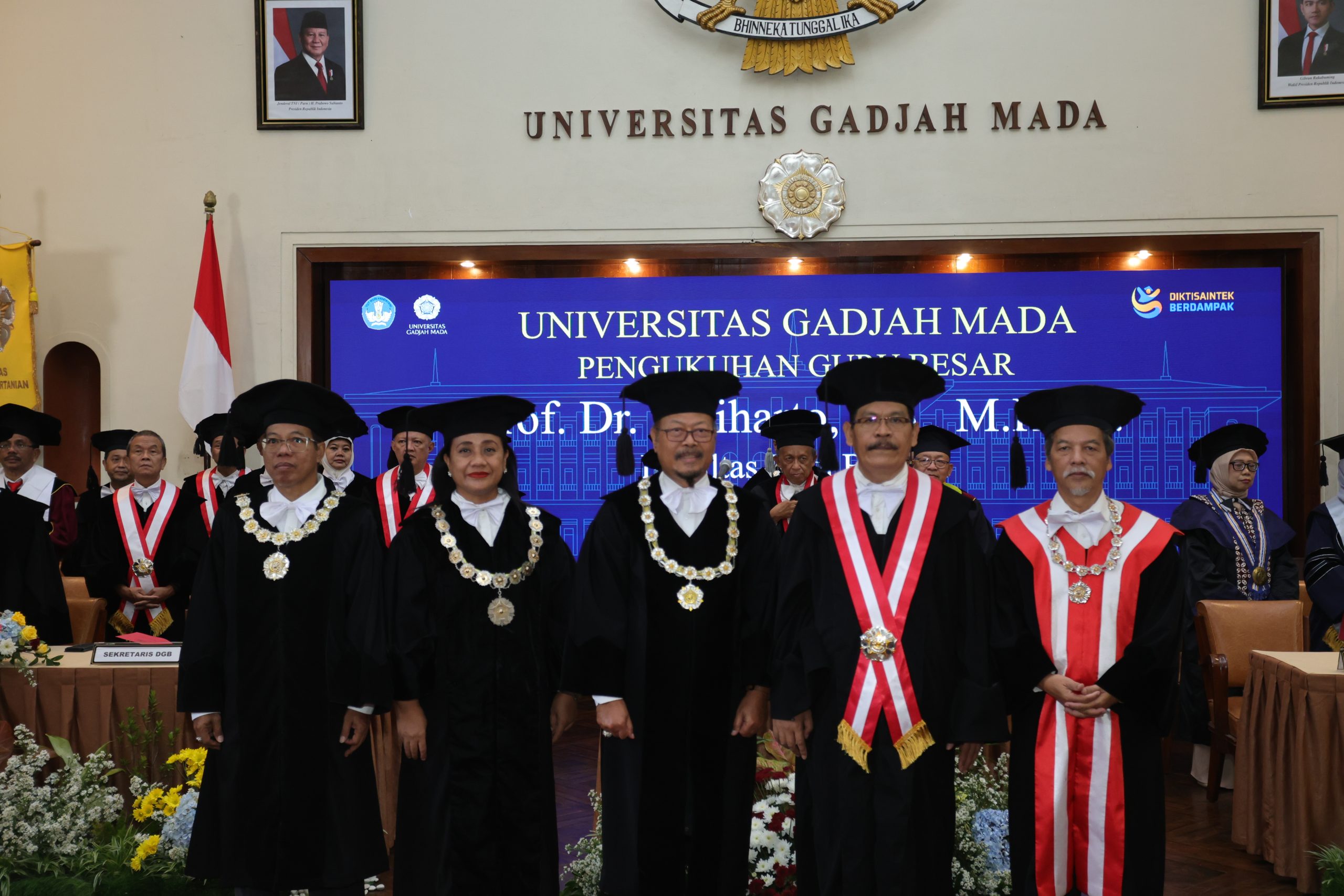
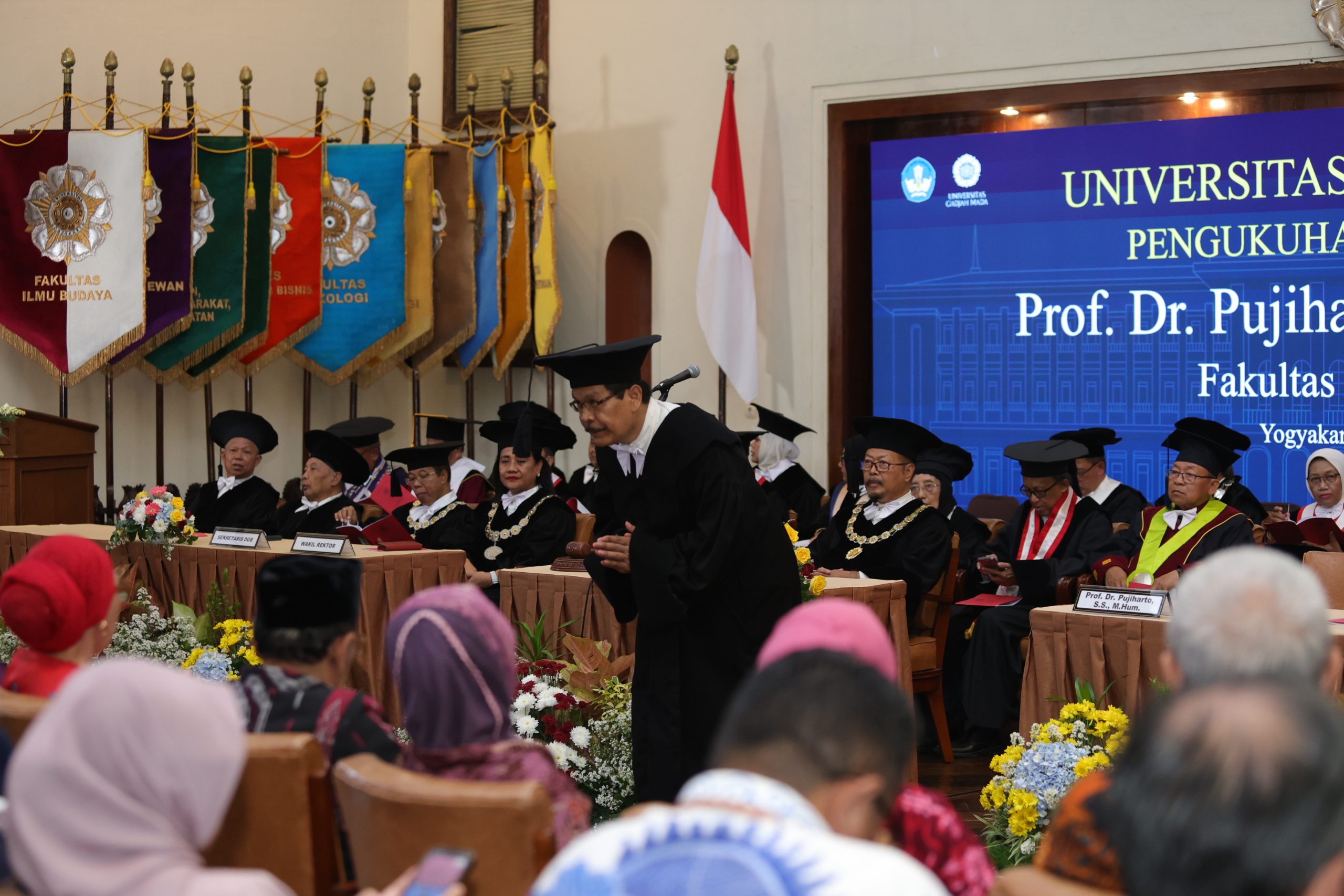
Yogyakarta, April 15, 2026 – The Faculty of Cultural Sciences, Universitas Gadjah Mada, has once again marked an academic milestone with the inauguration of Prof. Dr. Pujiharto, S.S., M.Hum. as a Professor in the field of literature. In his inaugural speech, he raised the theme of Postmodern Indonesian Literature.

In his presentation, Prof. Pujiharto explained that postmodernism can be understood as an intersection with modernism. Referring to the thoughts of Brian McHale, both are viewed as a form of poetics, namely a system in literature equivalent to the concept of an “-ism.” Poetics itself originates from the ideas of Aristotle, who viewed literature as a system with its own rules and characteristics.

Furthermore, he elaborated that the understanding of modern Indonesian literature cannot be separated from the concept of Indonesian identity, which is closely related to the nation-building project toward a modern Indonesia. In this context, the term “modern” has historical roots in Europe, marked by a shift from a theocentric to an anthropocentric worldview, as proposed by Jürgen Habermas. This indicates that the construction of modern Indonesian literature has inevitably been influenced by Western perspectives of modernity.

Entering the discussion of postmodern Indonesian literature, Prof. Pujiharto highlighted a fundamental shift from epistemological poetics, characteristic of modernism, to ontological poetics, which defines postmodernism. This shift is explained through the concept of “the dominant” by Roman Jakobson, emphasizing a change in the primary focus within the structure of literary works.

In the final part of his speech, Prof. Pujiharto connected the ontological plurality in postmodern literature with contemporary societal conditions. According to him, the postmodern era is marked by the dominance of information technology, giving rise to an information society characterized by multiple realities and perspectives. This phenomenon shows that literary works are not only reflections of their time but also serve as a medium to understand the complexities of modern and postmodern life.

Closing his speech, Prof. Pujiharto expressed his gratitude to all parties who contributed to the process of his professorship nomination until he was officially inaugurated through a ministerial decree.

This inauguration is not only a personal achievement but also contributes to strengthening Indonesian literary studies on a global scale. In line with this, the ideas presented support the achievement of the Sustainable Development Goals, particularly United Nations Goal 4 (Quality Education) through the advancement of knowledge, as well as Goal 9 (Industry, Innovation, and Infrastructure) in the context of the development of an information- and technology-based society.

[Public Relations of FIB UGM, Alma Syahwalani]

12345…23

Video UGM

[shtmlslider name='shslider_options']
Universitas Gadjah Mada

Faculty of Cultural Sciences
Universitas Gadjah Mada
Jl. Nusantara 1, Bulaksumur Yogyakarta 55281, Indonesia
   fib@ugm.ac.id
   +62 (274) 513096
   +62 (274) 550451

Work Units

  • Office of Journal & Publishing
  • INCULS
  • Information Technology and Database
  • Language Learning Center
  • Library Unit
  • Public Relations
  • Research

Facilities

  • Computer Laboratory
  • Gamelan
  • Guest House
  • Language Library
  • Library
  • Phonetics Library
  • Self Access Unit
  • Student Internet Centre

Importan Links

  • Journal of Humaniora
  • Subscriber Journal
  • Alumni Portal
  • Career
  • Departmens News
  • UGM Streaming

Contacts

  • Academic
  • Administration
  • Dean’s Office
  • Departments / Study Programs
  • Public Relations

© 2024 Faculty of Cultural Sciences Universitas Gadjah Mada

KEBIJAKAN PRIVASI/PRIVACY POLICY

[EN] We use cookies to help our viewer get the best experience on our website. -- [ID] Kami menggunakan cookie untuk membantu pengunjung kami mendapatkan pengalaman terbaik di situs web kami.I Agree / Saya Setuju