• About UGM
  • Academic Portal
  • IT Center
  • Library
  • Research
  • Webmail
  • Informasi Publik
  • English
    • Indonesia
Universitas Gadjah Mada Faculty of Cultural Sciences
Universitas Gadjah Mada
  • Home
  • Profile
    • History
    • Vision and Mission
    • Organizational structure
    • Administration
    • Staff
    • Faculty Members
  • Academic
    • Academic Calendar
    • Undergraduate Programs
      • Bachelor of Cultural Antrophology
      • Bachelor in Archaeolagy
      • Bachelor in History
      • Bachelor in Tourism
      • Bochetor in Korean Language and Culture
      • Bachelor in Indonesian Language and Culture
      • Bachelor in English
      • Bachelor in Arabic
      • Bachelor in Japanese Language and Culture
      • Bachelor in Javanese Language, Literature and Culture
      • Bachelor in French language and literature
    • Graduate Programs
      • Master in Antrophology
      • Master in ArchaeoIogy
      • Master in History
      • Master in Linguistics
      • Master in Literature
      • Master In American Studies
      • Master in Middle Eastern Cultural Studies
    • Post-Graduate Programs / S3
      • Doctor in Antropology
      • Doctor in American Studies
      • Doctor in Humanities
    • Student Service
  • KPPM
    • Research Information
    • Scientific / Academic Publications
    • Community Service
    • International Cooperation
    • Domestic Cooperation
  • Student Organizations
    • Student Executive Council
    • Semi-Autonomous Organizations
      • KAPALASASTRA
      • Christian Student Alliance
      • LINCAK
      • Saskine
      • Catholic Student Family
      • Dian Budaya
      • Sastra Kanuragan (sasgan)
      • Family of Muslim Cultural Sciences Students (KMIB)
      • Bejo Mulyo
    • Autonomous Organizations
      • Family of Anthropology Students (KEMANT)
      • English Department Student Association
      • Tourism Students Association (HIMAPA)
      • Family of Indonesian Literature Students (KMSI)
      • West Asian Literature Student Association (IMABA)
      • Association of Korean-Language Students (HIMAHARA)
      • Family of Regional Indonesian Literatures Students (KAMASUTRA)
      • The Family Body of History Students (BKMS)
      • The French Literature Students Association (HMSP)
      • Family of Anthropology Students
      • Japanese Student Association (HIMAJE)
  • Admission
    • Student Evaluation
  • Home
  • Sastra Arab
Arsip:

Sastra Arab

UGM Arabic Literature Student Explores Mandarin and Taiwanese Culture through Summer Course

News Release Tuesday, 15 September 2026

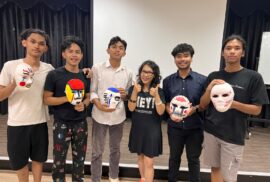
YOGYAKARTA – Learning a foreign language does not always have to begin with textbooks and classrooms. This was the experience of Shang Narendra, a 2022 student of Arabic Literature at Universitas Gadjah Mada (UGM), who became the university’s sole representative in the 2026 Mandarin Summer Camp Short Term Study Program in Taiwan. The program, subsidized by Taiwan’s Ministry of Education, was held at Da Yeh University (大葉大學) in Changhua, Taiwan, from July 22 to August 4, 2026.

Organized through the Official Taiwan Education Center Indonesia in collaboration with universities in Taiwan, the program brought together international students to learn Mandarin while gaining firsthand exposure to Taiwanese culture. For Shang Narendra, who is often called Adam, the opportunity stemmed from his desire to learn a foreign language directly in an environment where it is spoken. As an Arabic Literature student, he is accustomed to viewing language not only through its structure and vocabulary but also through the culture, society, and context in which it is used.

During the program, participants attended Mandarin classes in the morning and took part in various cultural activities in the afternoon. Upon arriving at Da Yeh University, participants first took the Test of Chinese as a Foreign Language (TOCFL) to assess their Mandarin proficiency and determine their class placement. Classroom learning was complemented by hands-on activities, including cooking, handicrafts, aromatherapy, fabric painting, traditional Chinese calligraphy, and making a Taiwanese-style mosquito repellent spray.

The cross-cultural experience also extended into everyday life in the dormitory. Participants from different universities and countries lived together, creating opportunities to communicate in various languages, particularly English and Mandarin. Adam occasionally used Google Translate when language barriers interrupted conversations. He also interacted directly with local residents while purchasing daily necessities. Through these experiences, he learned that the courage to communicate and the ability to adapt can be just as important as mastering grammar.

One of Adam’s most memorable experiences was the final project, which involved a role-play performed with a group of six students from different backgrounds. Within a relatively short period, Adam and his group members had to use Mandarin to discuss ideas, divide tasks, and prepare their performance. The program also took participants to Sun Moon Lake in Nantou, giving them an opportunity to explore another side of Taiwan beyond the university campus.
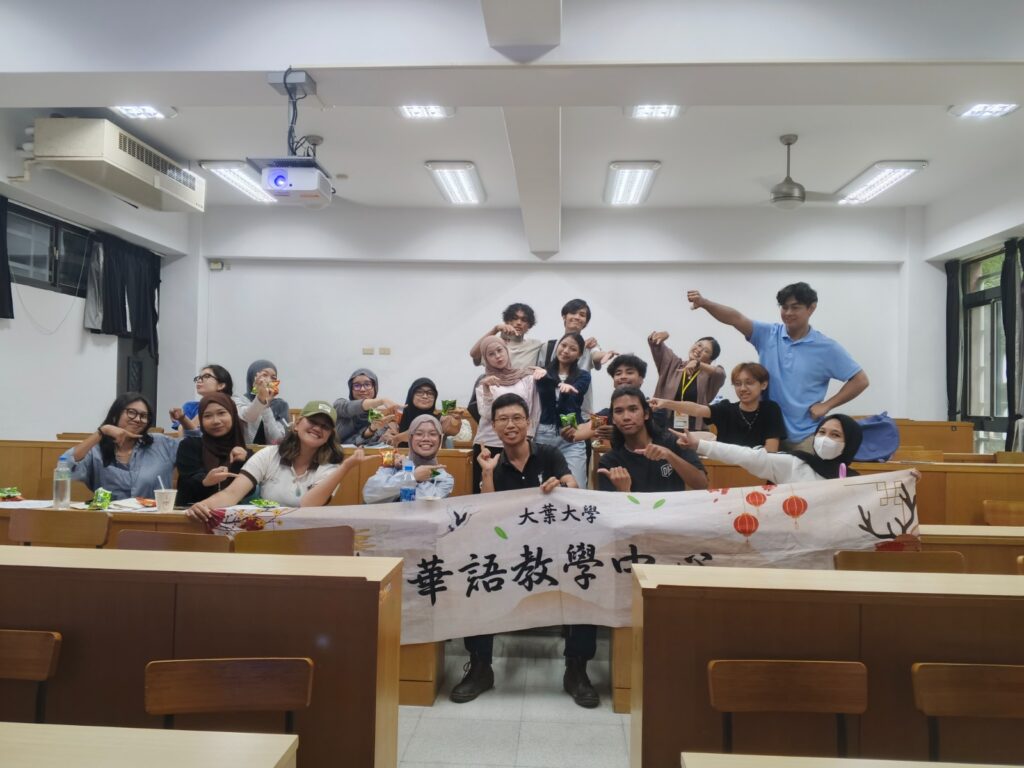
For Adam, learning Mandarin in Taiwan also broadened his perspective as an Arabic Literature student. He came to see more clearly that language learning cannot be separated from the culture and society of its speakers. The experience also strengthened his listening and speaking skills, contextual understanding, and ability to adapt to a new environment. Learning another language gave him a new perspective on understanding Arabic more broadly, beyond the theories he studies in the classroom.

The summer course also provided Adam with an opportunity to step outside his comfort zone. He found that students of Arabic Literature can explore other languages and cultures without leaving behind the field they are studying. By becoming familiar with more languages and societies, students can gain new perspectives on Arabic while preparing themselves to communicate and engage in increasingly multicultural environments.


Author : Indana Zulfa Maulida
UGM and UiTM Malaysia Strengthen Arabic Studies through an Online Academic Discussion

News Release Friday, 31 July 2026

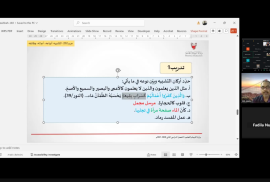
Yogyakarta – An online academic discussion jointly organized by Universitas Gadjah Mada (UGM) and Universiti Teknologi MARA (UiTM) Malaysia once again provided a platform for students to deepen their understanding of Arabic language and literary studies. Led by Dr. Nur Kholid, M.P., a lecturer in the Arabic Literature Program at Universitas Gadjah Mada, the session offered an interactive discussion on metaphor and linguistic analysis. During the online meeting, participants explored the concepts of musyabbah and musyabbah bih, focusing on how meaning is constructed through comparisons expressed either explicitly or implicitly. Dr. Kholid presented the material in a systematic manner by analyzing a variety of examples, enabling students not only to understand linguistic structures but also to appreciate the deeper meanings and interpretations embedded in Arabic texts.

Throughout the discussion, students examined several examples of metaphor, including the comparison of soldiers to lions in battle, tears to pearls, and spring as a symbol of human happiness. These illustrations helped participants understand how Arabic employs figurative language to convey meaning in a more vivid, meaningful, and contextual way.In addition to metaphor, the discussion expanded to the interpretation of word meanings in Arabic. The diverse perspectives shared during the session demonstrated that linguistic analysis is not limited to a single interpretation but is open to various analytical approaches and viewpoints. This approach encouraged students to broaden their perspectives while strengthening their understanding of Arabic linguistics and literary studies.

Overall, the discussion was conducted smoothly in an engaging and interactive atmosphere. Students actively participated throughout the discussion and question-and-answer session, reflecting their enthusiasm for the topic. Through this academic activity, participants are expected to enhance their understanding of Arabic studies while further developing their linguistic and analytical skills.

Author: Indana Zulfa

Building Collaboration, IKMASA UGM Welcomes IKABA UI Visit

News ReleaseStudent's Activity Wednesday, 3 June 2026

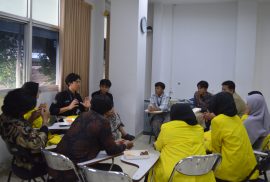
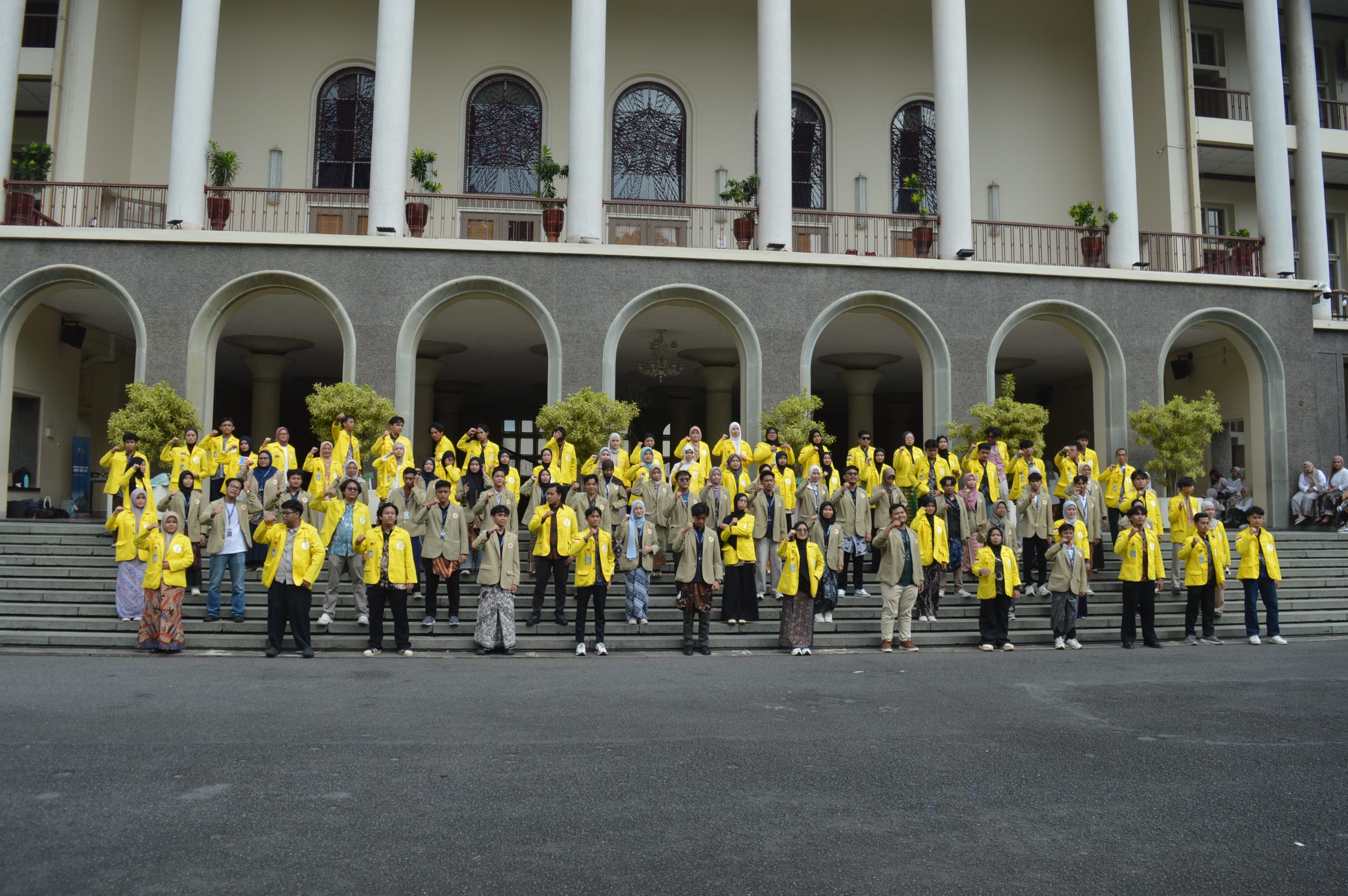
Yogyakarta, June 16, 2026 – The Arabic Literature Student Association of Universitas Gadjah Mada (IKMASA UGM) successfully organized SAMBUT: “IKMASA Menyambut” in collaboration with the West Asian Family Association of Universitas Indonesia (IKABA UI). Held at the Poerbatjaraka Auditorium, Faculty of Cultural Sciences, Universitas Gadjah Mada, the event served as a platform for fostering friendship and strengthening relationships among Arabic Literature students from both universities. The program commenced with welcoming remarks from the faculty advisors of IKMASA UGM and IKABA UI, who emphasized the importance of collaboration and maintaining strong inter-institutional relationships. They highlighted the value of building academic networks and encouraging future cooperation between student organizations.

The event continued with a cabinet-sharing session led by the presidents of IKMASA UGM and IKABA UI. During the session, both organizations exchanged insights on their work programs, organizational culture, and leadership strategies. This discussion provided participants with an opportunity to learn from one another’s experiences and organizational practices. Following the sharing session, participants took part in a campus tour around Universitas Gadjah Mada. The activity introduced IKABA UI members to the UGM campus environment while also fostering closer connections among participants. As part of the tour, a group photo session was held at the iconic Balairung UGM as a symbol of friendship and a memorable keepsake of the gathering between IKMASA UGM and IKABA UI. The program then proceeded with a series of Focus Group Discussions (FGDs) involving divisions and departments from both organizations. These discussions provided a space for participants to exchange experiences, share best practices, and discuss organizational management systems within their respective student associations. Overall, the event was conducted smoothly in a warm and enthusiastic atmosphere. Through SAMBUT 2026, both organizations strengthened their ties and reaffirmed their commitment to fostering collaboration, mutual learning, and long-term partnerships among Arabic Literature students across universities.


Author : Ismail


Habiburrahman El Shirazy Explores the Creative Writing Process in “Suluh Rindu” Book Discussion and Mini Writing Workshop at FIB UGM

News Release Wednesday, 6 May 2026

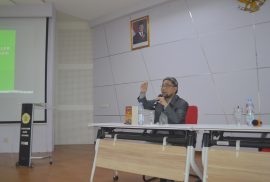
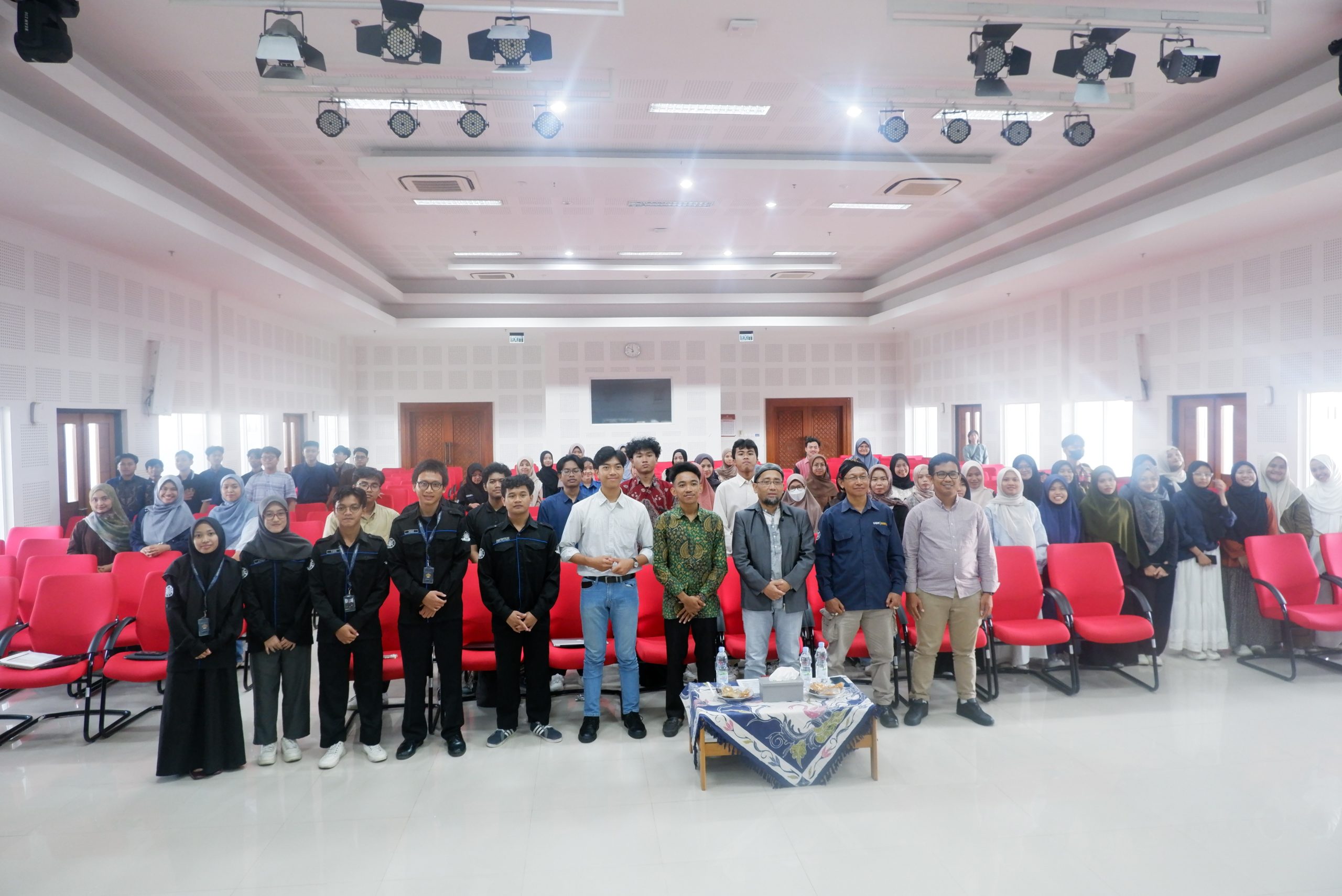
Yogyakarta, April 29, 2026 – The Academic Division of the Arabic Literature Student Association (IKMASA) successfully organized the event titled “Suluh Rindu” Book Discussion and Mini Writing Workshop, featuring prominent Indonesian novelist Habiburrahman El Shirazy at the Soegondo Auditorium, Faculty of Cultural Sciences, Universitas Gadjah Mada. Open to the public, the event aimed to enrich participants’ understanding of the creative writing process, particularly in developing ideas and experiences in creative writing, as well as emphasizing the importance of moral values in literary works.

The author, widely known as Kang Abik, explained that writing ideas can emerge from simple phenomena in everyday life. Observations of social realities, cultural contexts, and daily life dynamics can serve as endless sources of inspiration. He illustrated this through the creative process behind his novel Suluh Rindu, which was inspired by the phenomenon of rural areas being left behind by younger generations who migrate in search of better opportunities. Villages tend to become lively only during certain occasions, such as religious holidays. This phenomenon was then developed into the story of a character who travels to Egypt and experiences an inner struggle upon returning to his hometown, particularly when confronted with his father’s final wishes.

Habiburrahman also emphasized the importance of dramatic elements in literary works. According to him, a compelling story should be able to evoke readers’ emotions through strong conflict and meaningful resolution. Beyond mere entertainment, literature carries a moral responsibility. Values such as spirituality, humanity, justice, and civility should serve as the foundation of any literary work. “A good piece of writing is not only engaging to read, but also leaves a lasting impression on its readers,” he stated.

During the question-and-answer session, it was also highlighted that writing experience does not have to come solely from personal experiences. Writers can gain insight from reading, listening to others’ stories, and observing their surroundings. In addition, moral boundaries in writing depend on the author’s perspective and purpose, while still taking into account cultural values and ethical considerations.

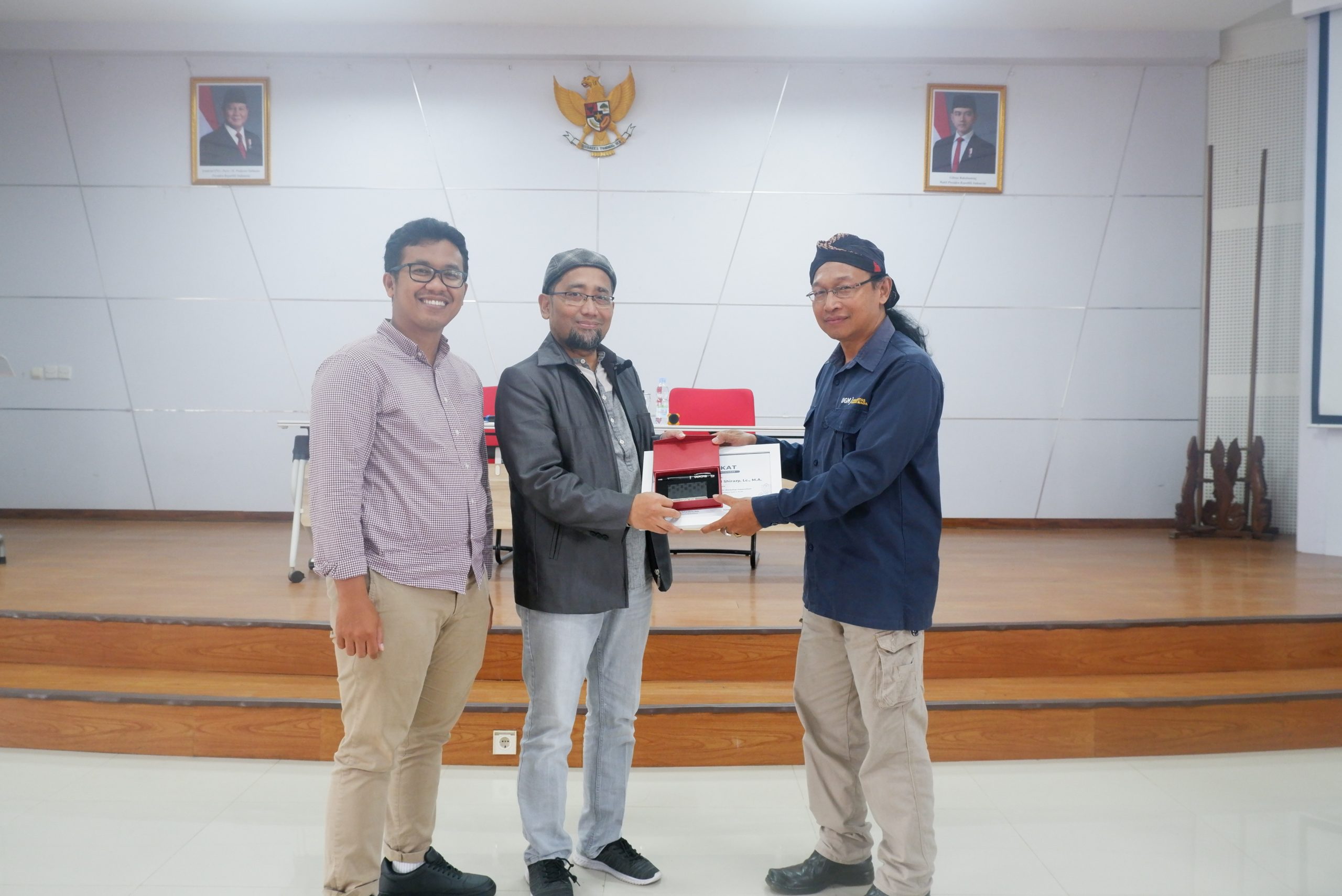
The event concluded with the presentation of tokens of appreciation by Tohir Mustofa, S.S., M.A., and Abdul Jawat Nur, M.Hum., followed by a group documentation session. The high level of enthusiasm shown by participants reflects a strong expectation for similar forums to continue as spaces for learning, discussion, and growth for both aspiring writers and literature enthusiasts.

Penulis: Putri Azkia Nisfiatul Laili

Penetrating Globally Reputed Journals: Anna M. Gade Ph.D. Emphasizes the Integration of Social Reality in Arabic Literature Research

News Release Monday, 12 January 2026

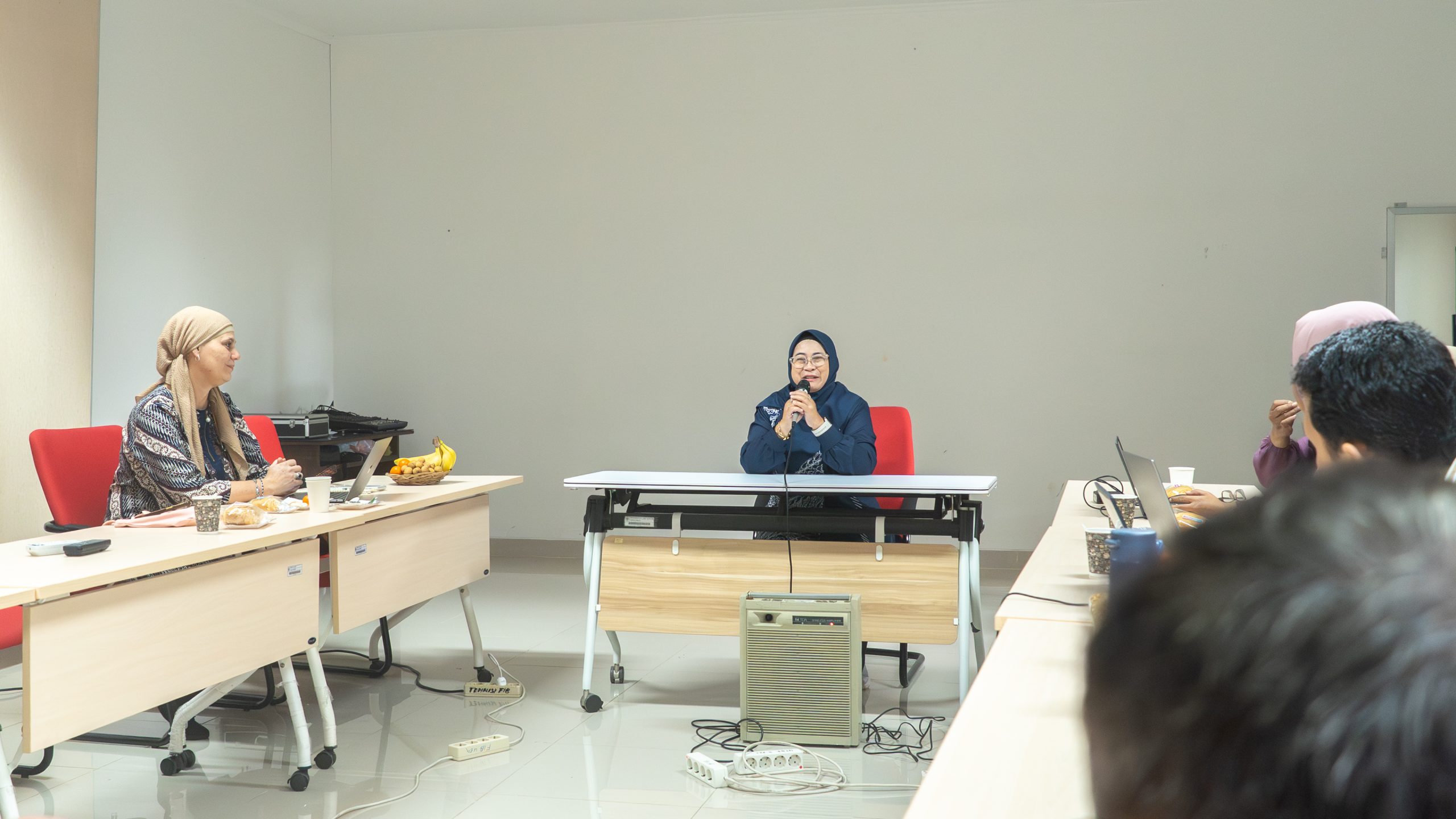
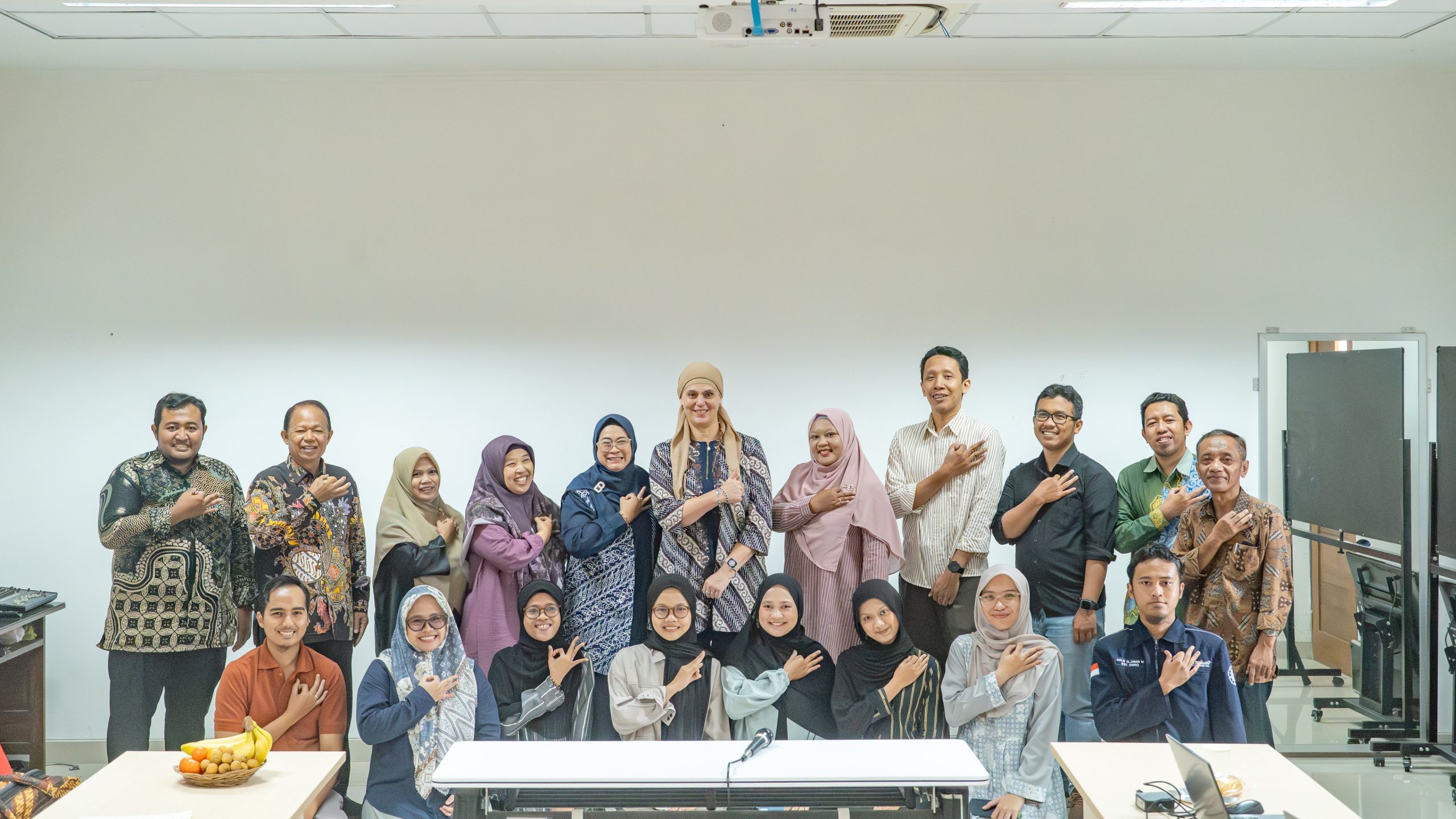
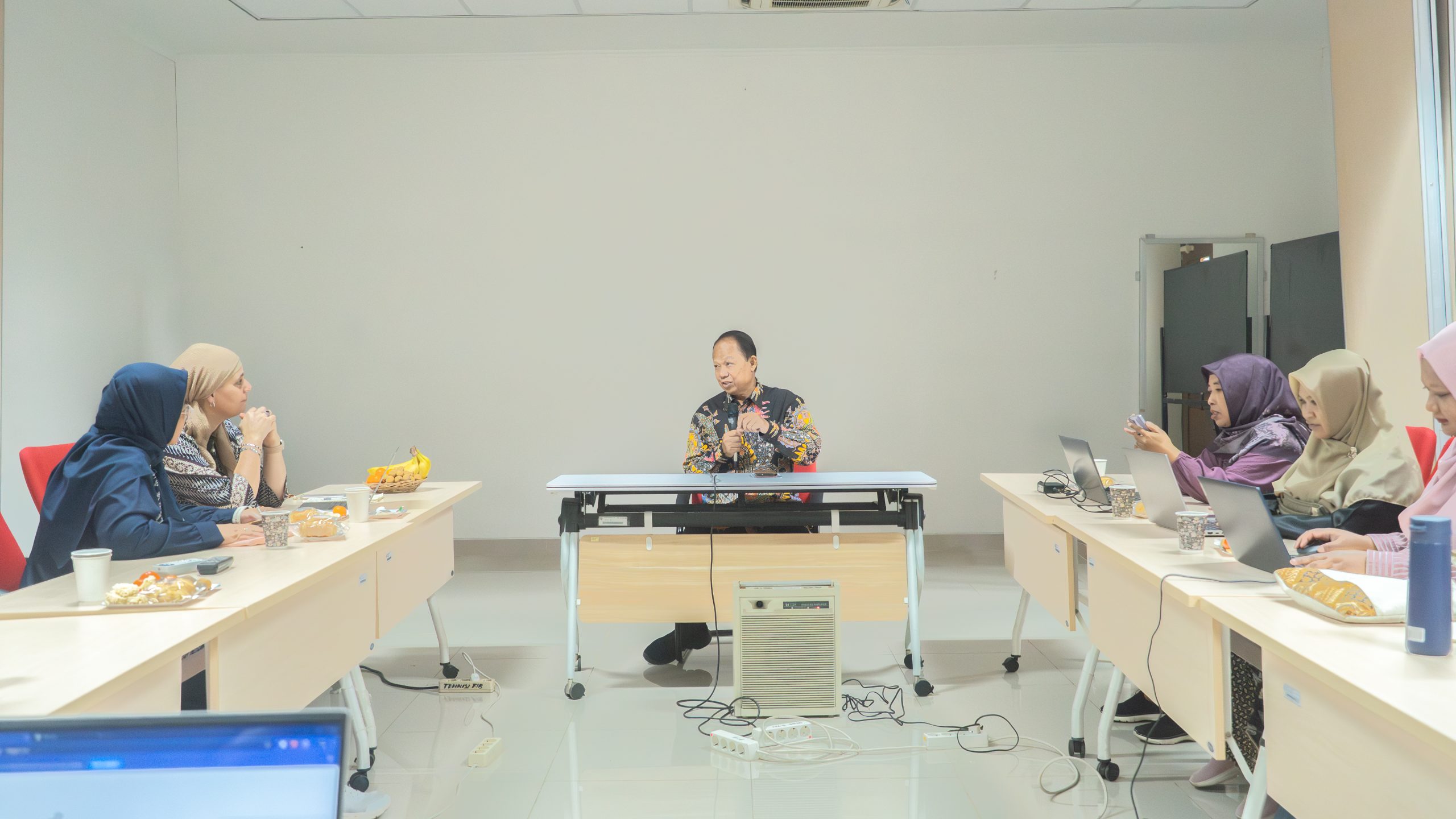
Yogyakarta, January 8, 2026 – In an inspiring workshop titled “Current Multidisciplinary Publication Directions and Strategies in Arabic Language and Literature,” Anna M. Gade, Ph.D., an Islamic Studies expert from the University of Wisconsin-Madison, shared new insights for Arabic Literature academics. The event commenced with opening remarks by Mimi Savitri, Ph.D., Vice Dean of the Faculty of Cultural Sciences (FIB) UGM, followed by a brief presentation by Prof. Dr. Sangidu, M. Hum., who introduced the latest developments in Arabic Literature research and Middle Eastern Culture.

In her presentation, Dr. Gade offered a new perspective on how Arabic Literature can command a vast presence in the global academic arena. More than just an observer, Dr. Gade highlighted the immense initiative and untapped potential within the field. Her primary point focused on a fundamental transformation in constructing scientific narratives: researchers must have the courage to move away from purely descriptive writing and shift toward sharp, critical analysis.

According to Dr. Gade, articles that merely paraphrase texts without engaging with social reality often struggle to penetrate high-reputation journals, such as those indexed in Scopus. She said that “Analysis is crucial because it must stem from real cases.” 

Throughout her career in producing various scholarly works, Dr. Gade has implemented two key strategies. The first is broadening the research scope through comparative studies, the second is sharpening the focus by deeply dissecting a specific linguistic or literary phenomenon. Interestingly, she demonstrated that Arabic Literature is not solely about grammar or pure aesthetics, but serves as a bridge to other disciplines, including law, sociology, and international relations. Dr. Gade’s message was clear: the sharper our analysis of the language’s depth and the bolder we are in stepping beyond traditional boundaries, the greater our contribution will be to the advancement of global knowledge.

Author : Indana Zulfa Maulida
123…7

Video UGM

[shtmlslider name='shslider_options']
Universitas Gadjah Mada

Faculty of Cultural Sciences
Universitas Gadjah Mada
Jl. Nusantara 1, Bulaksumur Yogyakarta 55281, Indonesia
   fib@ugm.ac.id
   +62 (274) 513096
   +62 (274) 550451

Work Units

  • Office of Journal & Publishing
  • INCULS
  • Information Technology and Database
  • Language Learning Center
  • Library Unit
  • Public Relations
  • Research

Facilities

  • Computer Laboratory
  • Gamelan
  • Guest House
  • Language Library
  • Library
  • Phonetics Library
  • Self Access Unit
  • Student Internet Centre

Importan Links

  • Journal of Humaniora
  • Subscriber Journal
  • Alumni Portal
  • Career
  • Departmens News
  • UGM Streaming

Contacts

  • Academic
  • Administration
  • Dean’s Office
  • Departments / Study Programs
  • Public Relations

© 2024 Faculty of Cultural Sciences Universitas Gadjah Mada

KEBIJAKAN PRIVASI/PRIVACY POLICY

[EN] We use cookies to help our viewer get the best experience on our website. -- [ID] Kami menggunakan cookie untuk membantu pengunjung kami mendapatkan pengalaman terbaik di situs web kami.I Agree / Saya Setuju