• About UGM
  • Academic Portal
  • IT Center
  • Library
  • Research
  • Webmail
  • Informasi Publik
  • English
    • Indonesia
Universitas Gadjah Mada Faculty of Cultural Sciences
Universitas Gadjah Mada
  • Home
  • Profile
    • History
    • Vision and Mission
    • Organizational structure
    • Administration
    • Staff
    • Faculty Members
  • Academic
    • Academic Calendar
    • Undergraduate Programs
      • Bachelor of Cultural Antrophology
      • Bachelor in Archaeolagy
      • Bachelor in History
      • Bachelor in Tourism
      • Bochetor in Korean Language and Culture
      • Bachelor in Indonesian Language and Culture
      • Bachelor in English
      • Bachelor in Arabic
      • Bachelor in Japanese Language and Culture
      • Bachelor in Javanese Language, Literature and Culture
      • Bachelor in French language and literature
    • Graduate Programs
      • Master in Antrophology
      • Master in ArchaeoIogy
      • Master in History
      • Master in Linguistics
      • Master in Literature
      • Master In American Studies
      • Master in Middle Eastern Cultural Studies
    • Post-Graduate Programs / S3
      • Doctor in Antropology
      • Doctor in American Studies
      • Doctor in Humanities
    • Student Service
  • KPPM
    • Research Information
    • Scientific / Academic Publications
    • Community Service
    • International Cooperation
    • Domestic Cooperation
  • Student Organizations
    • Student Executive Council
    • Semi-Autonomous Organizations
      • KAPALASASTRA
      • Christian Student Alliance
      • LINCAK
      • Saskine
      • Catholic Student Family
      • Dian Budaya
      • Sastra Kanuragan (sasgan)
      • Family of Muslim Cultural Sciences Students (KMIB)
      • Bejo Mulyo
    • Autonomous Organizations
      • Family of Anthropology Students (KEMANT)
      • English Department Student Association
      • Tourism Students Association (HIMAPA)
      • Family of Indonesian Literature Students (KMSI)
      • West Asian Literature Student Association (IMABA)
      • Association of Korean-Language Students (HIMAHARA)
      • Family of Regional Indonesian Literatures Students (KAMASUTRA)
      • The Family Body of History Students (BKMS)
      • The French Literature Students Association (HMSP)
      • Family of Anthropology Students
      • Japanese Student Association (HIMAJE)
  • Admission
    • Student Evaluation
  • Home
  • SDGs 4: Quality Education
  • page. 11
Arsip:

SDGs 4: Quality Education

Introducing Arabic Language and Culture from an Early Age: UGM KKN-PPM Students Organize “Arabic Days” at Syamsul Huda Prayer Hall

News ReleaseSDGs 17: Partnerships for the GoalsSDGs 4: Quality Education Monday, 28 July 2025

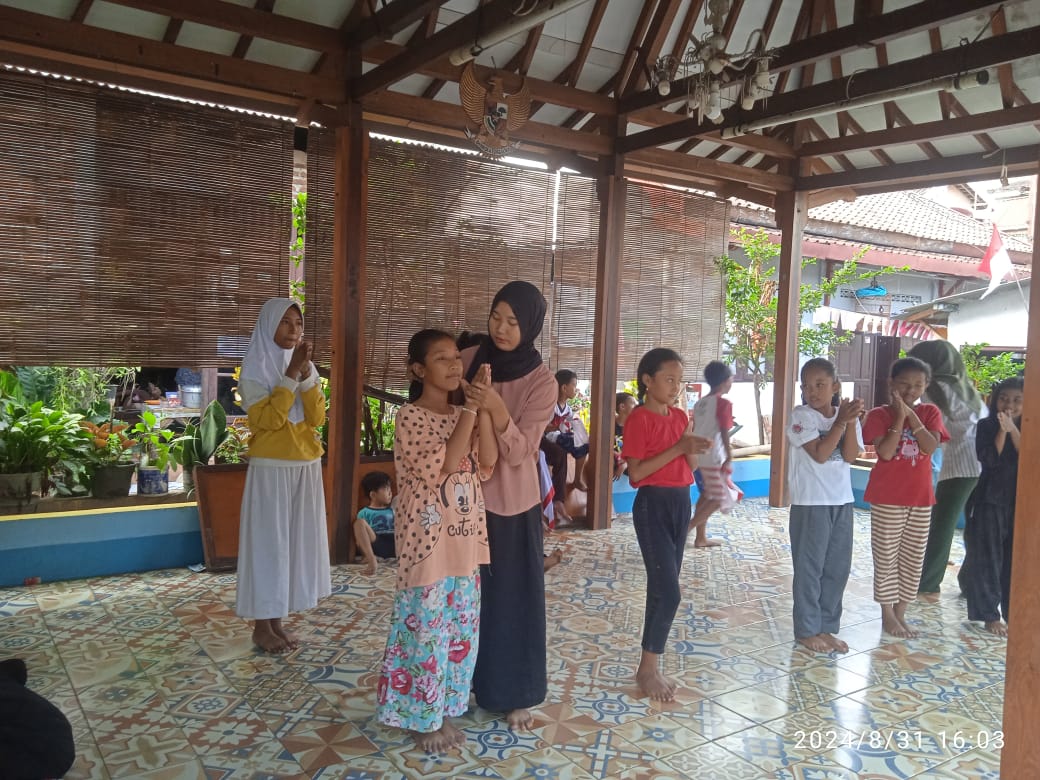
West Lombok, 23/7/2025 — In an effort to introduce Arabic language and culture to children from an early age, students from Universitas Gadjah Mada’s Community Service Learning Program (KKN-PPM) organized a program titled “Arabic Days: Introduction to Arabic Language and Culture” in Karang Bucu Lauq Hamlet, Bagik Polak Village, West Lombok Regency. Held every Tuesday and Wednesday over a three-week period from July 8 to July 23, 2025, the sessions took place at the Syamsul Huda prayer hall.

This initiative was led by a member of the KKN-PPM Antologi Labuapi Team, a student from the Arabic Study Program at UGM, as a form of community engagement through education rooted in Islamic and cultural values. The primary goal was to introduce children to the basics of the Arabic language and cultural elements in a fun and engaging way. The participants were children attending the local TPQ (Qur’anic Learning Center), ranging from 3 to 8 years old.

Throughout the program, KKN students guided the children directly in learning hijaiyah letters, reading Iqra and the Qur’an, and introducing them to basic Arabic vocabulary, greetings, and aspects of Arab culture, such as traditional foods and clothing. Each session was designed to be child-friendly and enjoyable, using interactive learning methods like illustrated PowerPoint presentations, Islamic-themed animated videos, educational songs, and simple games with Islamic nuances. These methods ensured that the children not only understood the material but also enjoyed and stayed engaged throughout the learning process.

The children showed high enthusiasm and curiosity from the very first day, actively participating in every activity with joy and interest. The local community warmly welcomed and supported the program, seeing it as a positive contribution to the children’s learning, especially in religious education and broader exposure to Islamic culture. Parents and community members appreciated the students’ active involvement in delivering fun and communicative learning.

Through Arabic Days, the KKN-PPM students hope to instill a love for the language of the Qur’an and broaden the children’s understanding of the rich and diverse Arab culture. This program stands as a testament to how creatively designed education can bridge religious and cultural values in a harmonious and impactful way within local communities.


Author: Chusna Shifati
Faris Zaky, UGM Arabic Literature Student Accepted for Internship at BUMN Companies

SDGs 11: Sustainable cities and communitiesSDGs 4: Quality EducationSDGs 8: Decent work and economic growth Friday, 18 July 2025

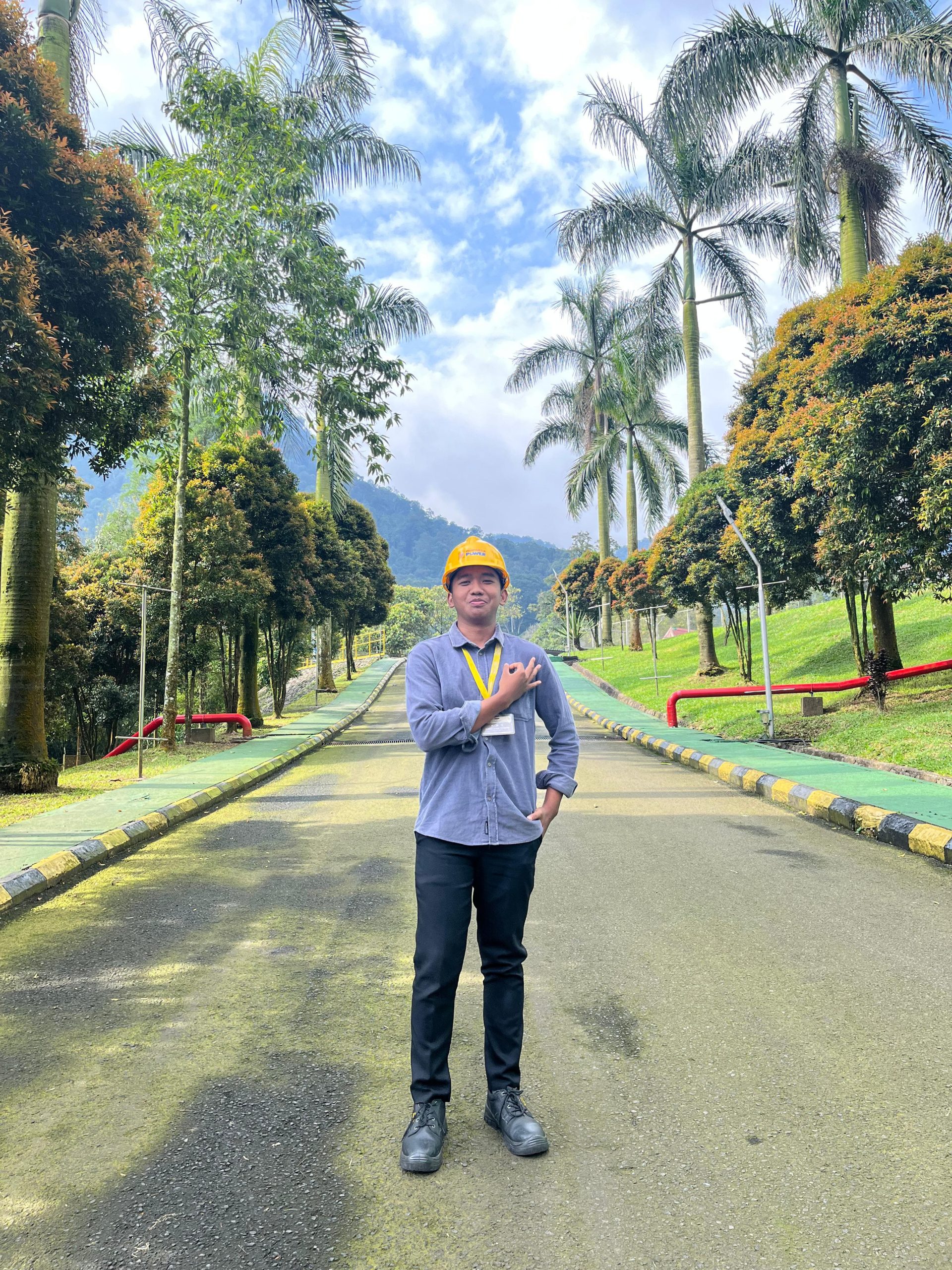
Who says Arabic Literature students only deal with texts and Middle Eastern culture? Faris Zaky, an active student from the Arabic Literature program at Universitas Gadjah Mada (UGM), proves otherwise. He has successfully demonstrated that a background in the humanities is not a barrier to making a real contribution in the professional world.
Starting with a desire to fill his semester break with productive activities, Faris discovered an internship opportunity. Upon reading that one of the positions available was in the field of Corporate Social Responsibility (CSR), he immediately felt intrigued, even though he initially hesitated, thinking his major was not directly related. With the courage to try, he decided to seize the opportunity. This decision turned out to be fruitful. He was accepted and began an internship experience that introduced him to various community dynamics.

Faris’s interest in social issues is not new. Since the beginning of his studies, he has been active in various community activities such as Ikmasa Mengabdi, Gemilang Desa, Ramadhan di Kampus, and being part of the organizing team for PIONIR Gadjah Mada 2024. From these experiences, his sensitivity to social issues and planning skills have grown, which are now essential assets in his role in CSR.

Despite coming from an Arabic Literature background, Faris found that many skills he acquired during his studies are highly useful in the workplace. The writing and communication skills he honed during his studies became his main assets in conveying information to the community in a clear and understandable manner. Additionally, his experience in managing organizational programs equipped him with the ability to accept criticism, respond to problems with solutions, and prepare public communication materials with appealing visuals—such as graphic design and video editing—all of which support CSR work in the field.

During his internship, Faris was involved in various community development programs covering agriculture, livestock, health, tourism, and the economy. One of the programs he is most proud of is the development of the Bina Mandiri Farmer Group in Pulosari Village through the innovation of biodigester technology that produces bio slurry. This product was then developed into Bio Slurry Plus, an original innovation from PLTP Gunung Salak that has not been implemented elsewhere. This program has proven to increase productivity in the agricultural and livestock sectors and is one of the reasons why the CSR program of PLTP Gunung Salak received the Gold award—the highest level in the national CSR program assessment.

In carrying out his role, Faris also faced challenges, especially in changing the habits of the community that were not entirely appropriate, particularly in agriculture and livestock. He and his team chose to educate gradually, consistently, and with a persuasive approach so that the messages of change could be accepted without offending deeply rooted habits. Throughout this process, Faris upheld local values and culture. He believes that the principle of “where the earth is stepped, there the sky is upheld” is key to building community trust, especially when working in an environment rich in cultural values, such as the area around the Halimun Gunung Salak National Park, even though the program’s target area is outside the conservation zone.

This internship experience has transformed Faris’s perspective on the relationship between literature, social issues, and the professional world. He realized that the knowledge he studied, which he initially thought was only relevant in academic or cultural studies, actually has a close connection to practical needs in the field. Literature is not just about texts; it is also about understanding social contexts, building empathy, and effectively conveying ideas—elements that are crucial in community development. For him, the worlds of literature and work do not oppose each other; rather, they support and strengthen one another.

After completing his internship program, Faris is determined to continue engaging in social activities and deepen his knowledge in community development. He also wants to explore the skills he has honed, such as event planning, design, video editing, and writing, which he believes are highly needed in the social work sector. Faris Zaky’s story is a testament that the courage to step forward, consistent interest, and adaptability can lead students from any discipline to make a real impact on society—even within state-owned enterprises.

NCCU Students Join Kamis Pon Cultural Thursday at FIB UGM

News ReleaseSDGs 11: Sustainable cities and communitiesSDGs 4: Quality Education Thursday, 17 July 2025

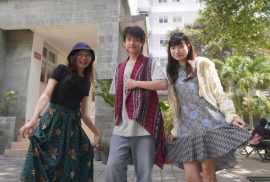
Yogyakarta, 10 July 2025 – Internship students from National Chengchi University (NCCU), Taiwan, participated in the Kamis Pon Berbudaya (Cultural Thursday) event, a regular celebration held by the Faculty of Cultural Sciences (FIB) at Universitas Gadjah Mada (UGM). This activity is part of FIB UGM’s initiative to introduce international students to the values of Javanese culture particularly those rooted in the Special Region of Yogyakarta through participatory and educational approaches.

The NCCU students wore traditional batik attire and were accompanied by part-time staff members from FIB UGM’s Public Relations team, Alma and Candra. Through this event, they gained a deeper understanding of the meaning and philosophy of Kamis Pon in Javanese tradition, especially in the Yogyakarta context.

Alma and Candra explained that Kamis Pon refers to the convergence of Thursday (Kamis) and Pon, one of the five-day Javanese market cycles (pasaran). They also shared that previously, traditional dress days were observed on Kamis Pahing, commemorating the relocation of the Yogyakarta Palace from Ambarketawang to its current site. In 2024, however, the Yogyakarta Regional Government designated Kamis Pon as the official commemoration day of Yogyakarta’s founding, following Governor’s Circular No. 400.5.9.1/40 dated January 8, 2024.

This day carries strong symbolic meaning within Javanese society, particularly in the Kraton (palace) of Yogyakarta, where Kamis Pon is considered sacred. It is often used for spiritual activities, reflection, and cultural preservation as a form of respect for ancestors.

“This is something completely new for us—wearing batik on a specific day,” shared one of the NCCU students.

The active involvement of international students in this cultural activity aligns with FIB UGM’s commitment to supporting the Sustainable Development Goals (SDGs), especially SDG 4 (Quality Education) and SDG 11 (Sustainable Cities and Communities), by promoting cross-cultural education and the safeguarding of intangible heritage.

By consistently organizing Kamis Pon Berbudaya, FIB UGM continues to foster an inclusive space for intercultural dialogue, allowing students from diverse backgrounds to learn from one another and build a broader understanding of cultural diversity.

[Public Relations FIB UGM, Alma Syahwalani]

A Small Step from the Palace: Eka and Her Dedication to the Art of Dance

News ReleaseSDGSSDGs 11: Sustainable cities and communitiesSDGs 4: Quality EducationSDGs 5: Gender equality Tuesday, 15 July 2025

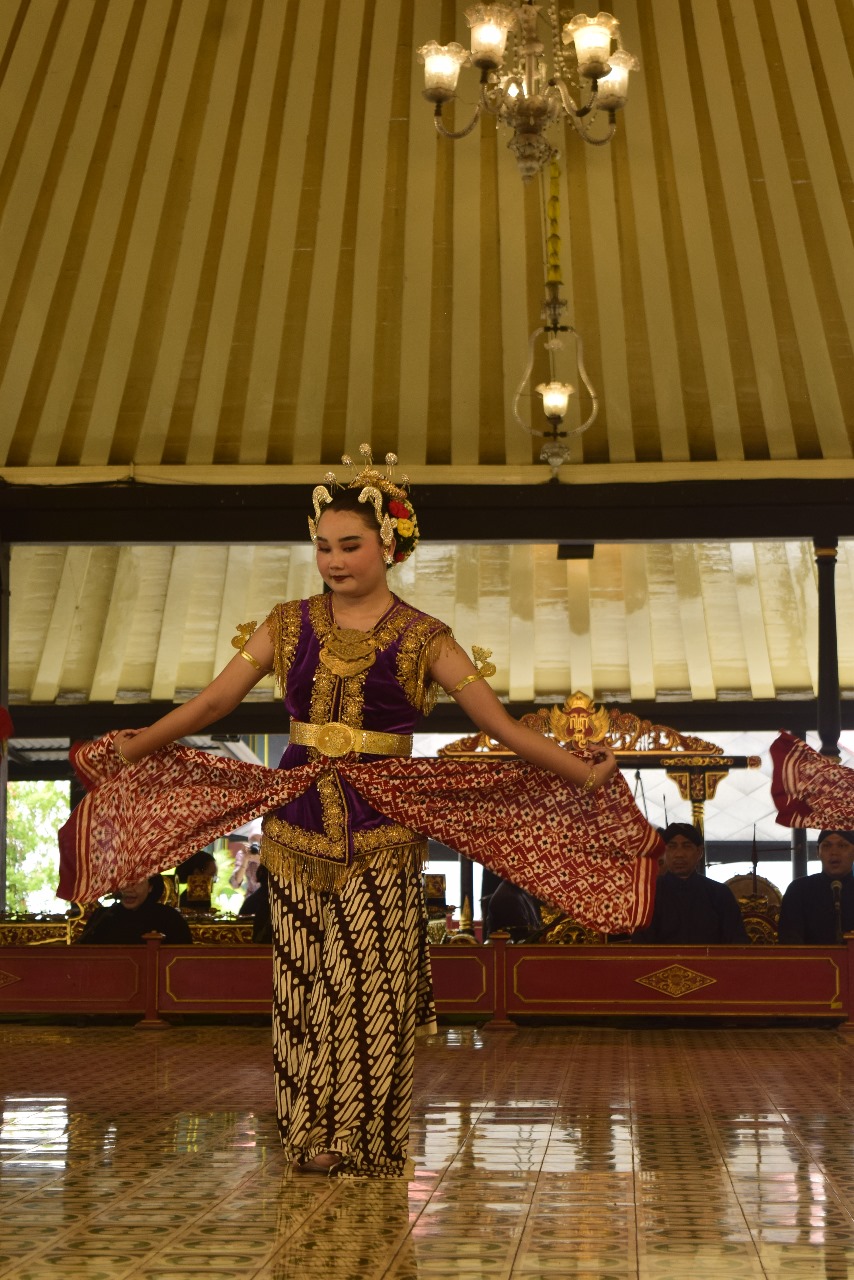
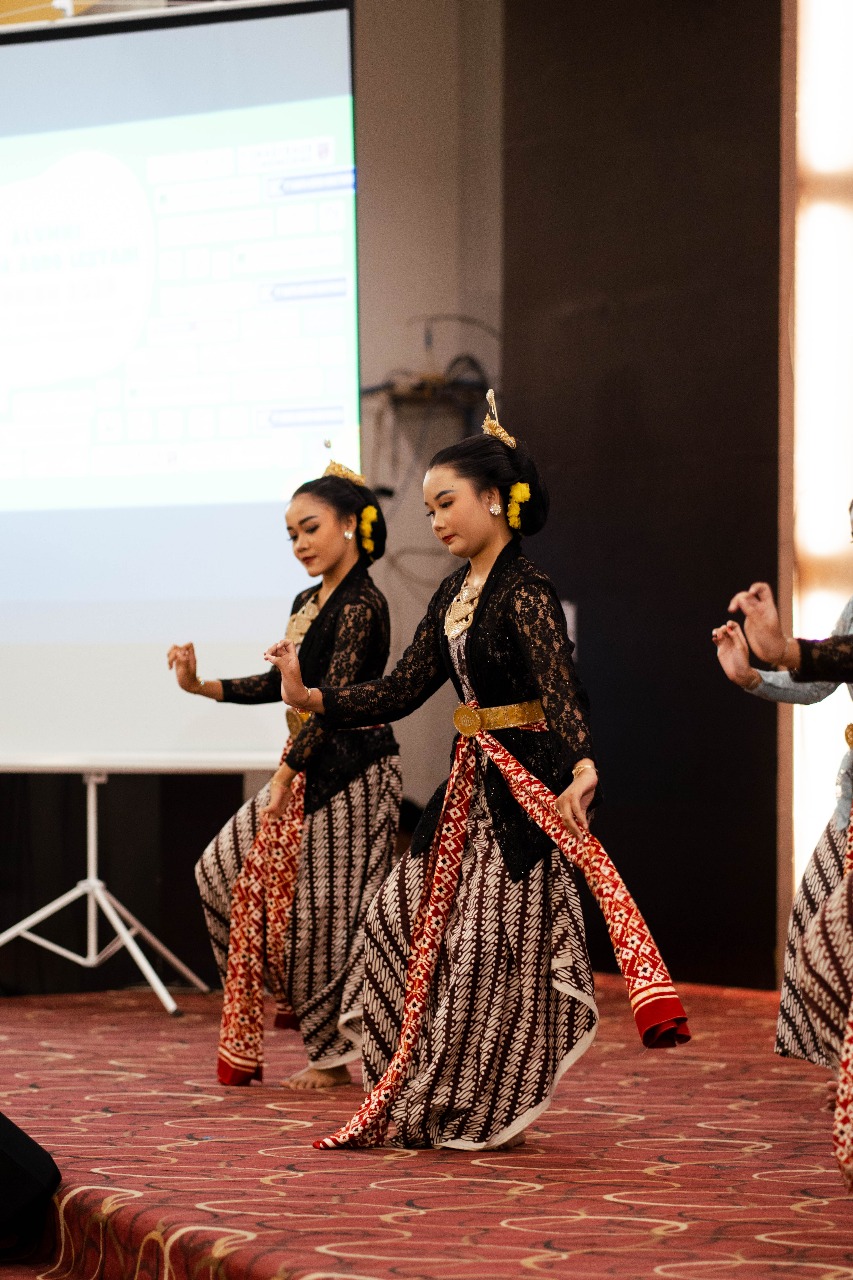
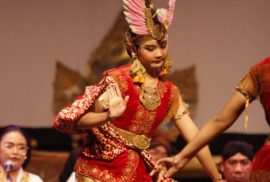
Yogyakarta, July 14, 2025 – Eka Nur Cahyani, a 2023 student of the Javanese Language, Literature, and Culture Study Program at the Faculty of Cultural Sciences, Universitas Gadjah Mada, has embarked on a long journey in the world of dance. Since the age of 7, Eka has been acquainted with and has loved classical dance, particularly the Yogyakarta style, thanks to the support of her late father, who was a court servant (abdi dalem) at the Ngayogyakarta Hadiningrat Palace.

“I started dancing since I was little, often brought to the palace by my father. Since then, I fell in love with classical dance and have continued learning until now,” she recalled.

Although she never studied at a formal dance studio, Eka gained knowledge from art teachers since elementary school and is now active as a member of UGM’s Swagayugama Student Activity Unit. There, she learns directly from the palace’s dance instructor, Dra. Veronica Ratnaningsih (Nyi Mas Riya Murtiharini).

Eka’s dedication to dance extends beyond performing. She has served as an instructor in the “Kampung Menari” program by the Yogyakarta City Cultural Office and has taught children in Pakembinangun. Since 2024, she has joined the Pamulangan Hamong Beksa at the palace, where she delves deeply into techniques, movement variations, philosophy, and ethics of Yogyakarta-style classical dance.

In addition to mastering Yogyakarta-style classical dance, Eka has broadened her horizons by studying Surakarta-style classical dances, such as Gambyong and Srimpi. Currently, she actively participates in the Pamulangan Hamong Beksa at the Ngayogyakarta Hadiningrat Palace. Every Sunday at 12:00 PM, Eka attends the palace wearing full traditional attire (jangkep), consisting of a kebaya tangkeban, jarik seredan, sanggul tekuk and subal, subang, and carrying a Sampur Gendala Giri.

“I am motivated to keep learning because I come from an artistic family—my grandfather was a puppeteer (dhalang), my paternal grandfather was a court servant, and my mother is a sindhen (traditional singer),” she said.

For Eka, dancing is not merely about aesthetic movements but also a spiritual and personal expression. She believes that each dance movement embodies the philosophy of patience, sincerity, and harmony between the body, feelings, and rhythm.

“Dancing is a form of prayer. The movements teach us to be sincere and patient in facing life,” Eka expressed.

Since beginning her journey in dance, Eka has performed on numerous stages, from campus events like the Kraton Performance Tourism Package featuring the Senggana Duta play by Swagayugama at Bangsal Srimanganti, Ngayogyakarta Hadiningrat Palace, and the Grand Swagayugama Performance at Taman Budaya Yogyakarta, to national and international forums such as the 4th International Seminar on Malay-Javanese Studies (SEMEJA IV) and ASEAN in Today’s World.

Despite frequent performances, Eka maintains her enthusiasm for learning. She emphasizes the importance of understanding the concepts of wiraga (physical movement), wirama (rhythm), and wirasa (feeling), as well as knowing the names and meanings of various dance movements. According to her, consistency stems from love and the desire for continuous growth.

Eka Nur Cahyani’s journey in dance since the age of seven not only reflects her love for the art but also her tangible contribution to sustainable development. Through her activities in learning and teaching dance, especially to children, Eka supports SDG 4: Quality Education. Her role as an active woman in preserving culture aligns with SDG 5: Gender Equality. Moreover, her involvement in maintaining and revitalizing classical dance art strengthens SDG 11: Sustainable Cities and Communities by preserving intangible cultural heritage as the identity of Yogyakarta’s society.

Eka proves that cultural preservation is not solely the responsibility of previous generations but also a duty for the current generation to ensure a more cultured future.

“If we feel we have talent, it needs to be developed through continuous practice and not being afraid to try, because I believe learning will never lead to regret, and every process in learning will shape us into individuals with true identity.” – Eka Nur Cahyani

[Public Relations FIB UGM, Alma Syahwalani]

DEDICATION AWARD PRESENTED TO THE LECTURER OF KOREAN LANGUAGE AND CULTURE STUDY PROGRAM, UGM

News ReleaseSDGs 17: Partnerships for the GoalsSDGs 4: Quality Education Tuesday, 8 July 2025

At the recent K-Speech Eloquence Competition held on Saturday, June 28, 2025, Alfiana Amrin Rosyadi, S.S., M.A., a lecturer in the Korean Language and Culture Study Program at Universitas Gadjah Mada (UGM), received a Dedication Award from Mr. Woo Young Taek, President of the K-Speech Eloquence Association Indonesia.

This award was presented in recognition of her consistent dedication over the past three years in mentoring UGM students for the competition in Jakarta, and even accompanying last year’s winner to the international contest in Vientiane, Laos.

The plaque also acknowledged Ms. Alfi’s initiative in transforming the final speaking exam into a K-Speech-style oratory performance, aimed at enhancing the efficiency of Korean language education. Additionally, she has facilitated opportunities for Mr. Woo Young Taek to visit UGM and deliver a special lecture on effective speech techniques.

Surprised and honored to receive the award, Ms. Alfi expressed her gratitude. She mentioned that the recognition serves as new motivation to further integrate Korean oratory training into practical speaking classes. Currently, beyond converting the final exam into oratory-style presentations, the Korean Language and Culture Study Program at UGM has also established a speaking club to prepare future competition participants. Over the past year, the club has been mentored by students, but moving forward, it will be supervised by faculty members to ensure UGM’s representatives are well-prepared both technically and mentally for the K-Speech stage.

Written by: Alfiana Amrin
Edited by: Sherina Azmi

1…910111213…95

Video UGM

[shtmlslider name='shslider_options']
Universitas Gadjah Mada

Faculty of Cultural Sciences
Universitas Gadjah Mada
Jl. Nusantara 1, Bulaksumur Yogyakarta 55281, Indonesia
   fib@ugm.ac.id
   +62 (274) 513096
   +62 (274) 550451

Work Units

  • Office of Journal & Publishing
  • INCULS
  • Information Technology and Database
  • Language Learning Center
  • Library Unit
  • Public Relations
  • Research

Facilities

  • Computer Laboratory
  • Gamelan
  • Guest House
  • Language Library
  • Library
  • Phonetics Library
  • Self Access Unit
  • Student Internet Centre

Importan Links

  • Journal of Humaniora
  • Subscriber Journal
  • Alumni Portal
  • Career
  • Departmens News
  • UGM Streaming

Contacts

  • Academic
  • Administration
  • Dean’s Office
  • Departments / Study Programs
  • Public Relations

© 2024 Faculty of Cultural Sciences Universitas Gadjah Mada

KEBIJAKAN PRIVASI/PRIVACY POLICY

[EN] We use cookies to help our viewer get the best experience on our website. -- [ID] Kami menggunakan cookie untuk membantu pengunjung kami mendapatkan pengalaman terbaik di situs web kami.I Agree / Saya Setuju