
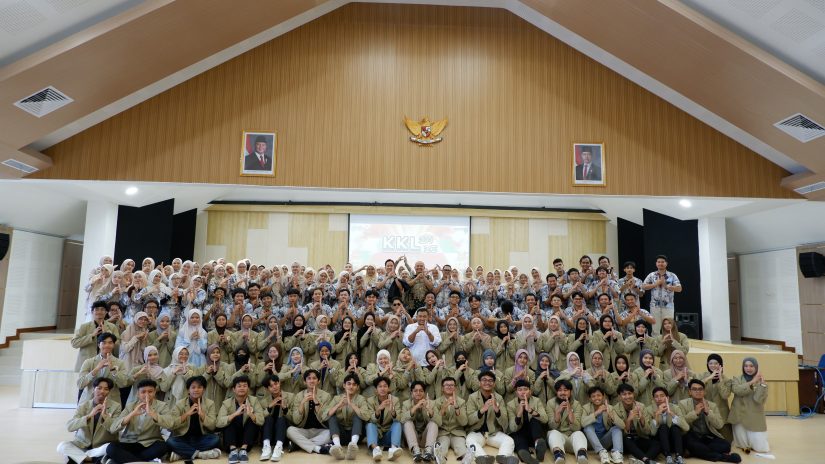
Yogyakarta, May 18, 2026 – The Arabic Language Education Program of Universitas Negeri Jakarta (UNJ) and the Arabic Literature Program of Universitas Gadjah Mada (UGM) held a study visit at the Faculty of Cultural Sciences, UGM. The activity served as a platform for students from both universities to exchange experiences, broaden their perspectives, and strengthen academic relationships. The event began with the recitation of verses from the Holy Qur’an, followed by the singing of the Indonesian national anthem, the UGM Hymn, and the Universitas Negeri Jakarta March. A warm atmosphere was created through welcoming remarks delivered by student representatives and program leaders from both institutions.
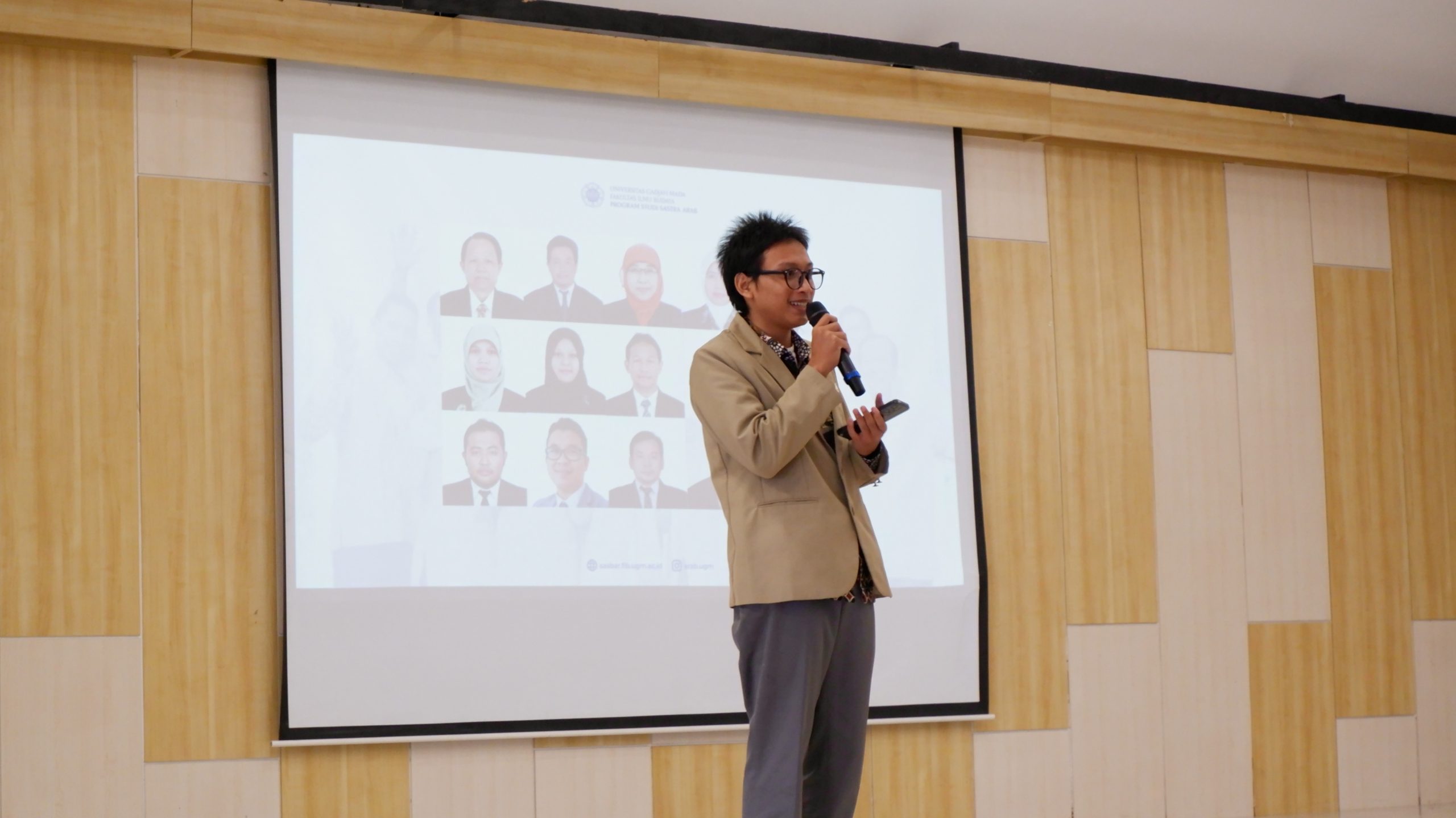
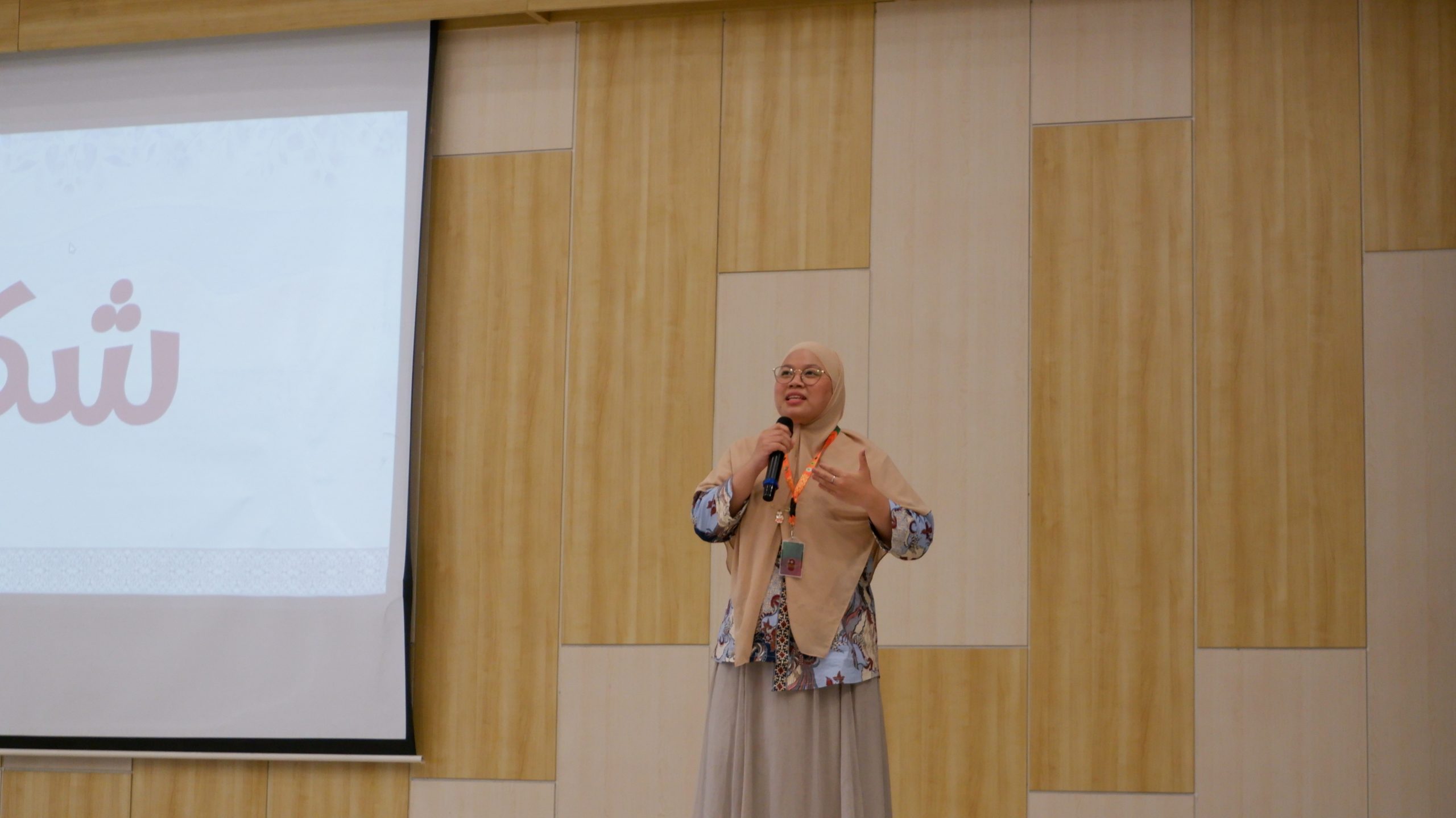
During the main session, students from UNJ presented an overview of their study program, student activities, and various initiatives that have been implemented within their organization. The presentation was enthusiastically received by UGM students, who then shared insights into the academic environment and organizational activities within the Arabic Literature Program at UGM. This session provided an engaging forum for participants to gain a deeper understanding of each institution’s organizational culture and campus life. The event became even more interactive through a question-and-answer session conducted in a relaxed yet productive atmosphere. Various topics were discussed, ranging from the implementation of student programs to strategies for increasing student participation in both academic and non-academic activities. The exchange of ideas and experiences allowed participants to learn from one another and gain new perspectives on student organization management.
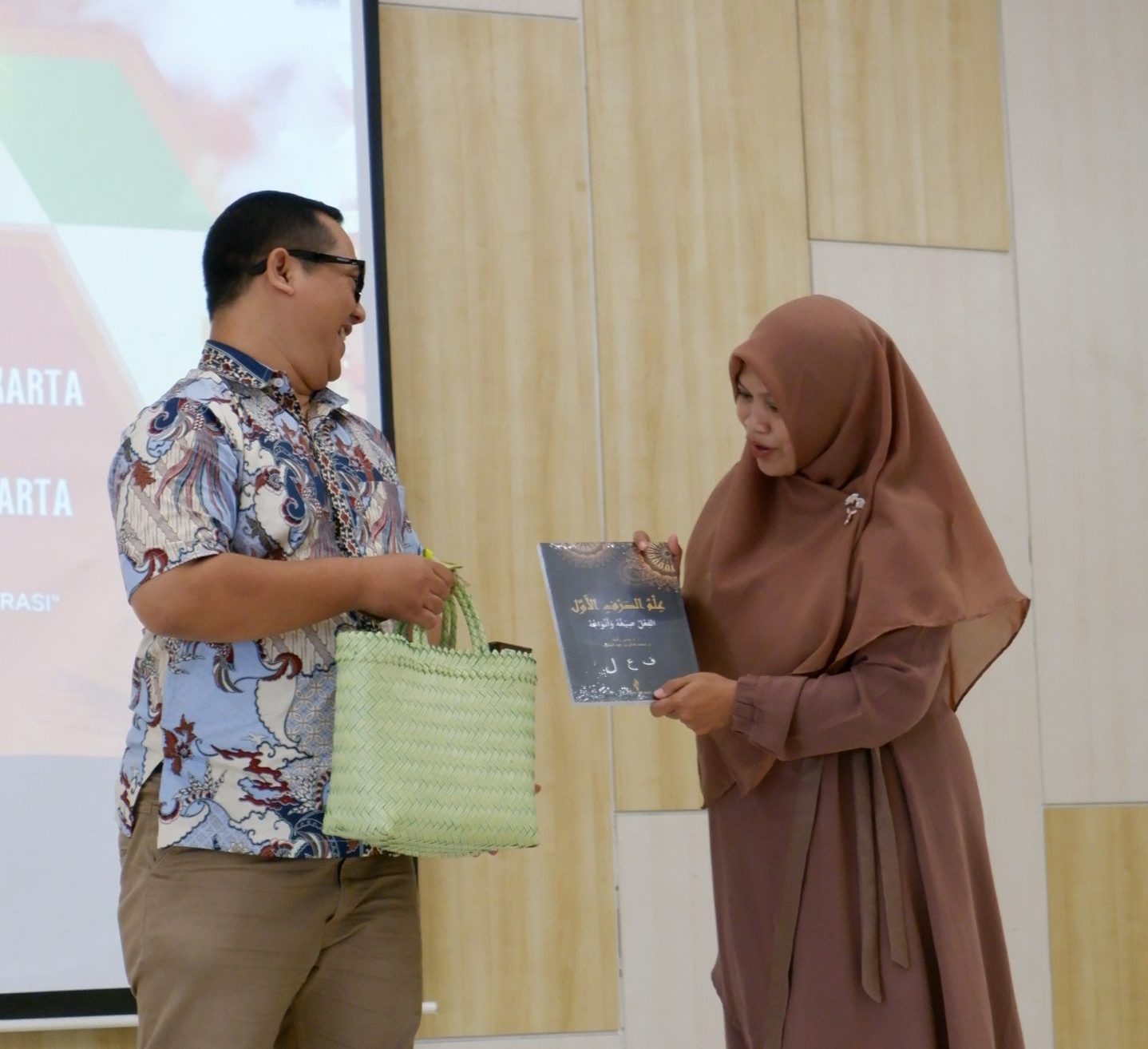
More than just an academic visit, this study visit served as an opportunity to strengthen friendships and foster closer ties between the Arabic Language Education Program of UNJ and the Arabic Literature Program of UGM. It is hoped that this activity will become the starting point for broader and more sustainable collaboration in the future, particularly in the areas of academics, student organizations, and student development.
Author: Indana Zulfa Maulida
