
Yogyakarta, June 25, 2026 – The Kuliah Kerja Nyata – Pembelajaran Pemberdayaan Masyarakat (KKN-PPM) program at Universitas Gadjah Mada serves not only as a platform for community engagement but also as an opportunity for students to learn about Indonesia’s diverse local traditions and cultures. This was experienced by Alma Syahwalani, a student of the Department of Javanese Language, Literature, and Culture at the Faculty of Cultural Sciences, Universitas Gadjah Mada, who is currently participating in the 2026 KKN-PPM Period II program in Nyamuk Village, Karimunjawa District.
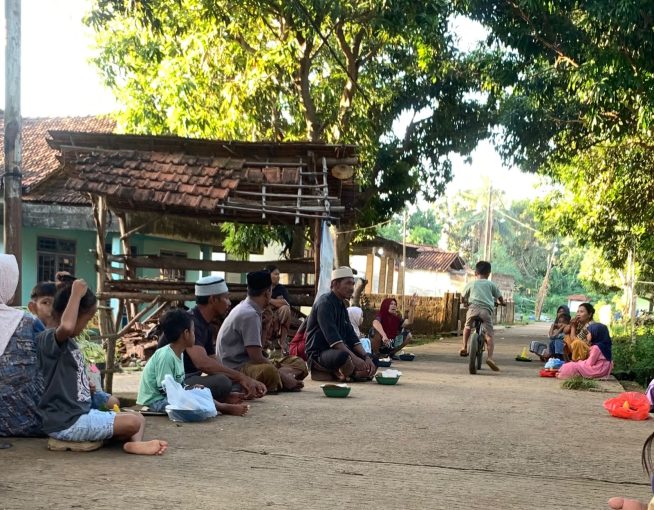
During her program, Alma had the opportunity to participate in the Barikan Ceremony, a traditional ritual practiced by the people of Nyamuk Village as a communal prayer for protection and the well-being of the entire community. The ceremony is held at a village crossroads and attended by local residents.
As part of the tradition, each household brings a tumpeng a cone-shaped serving of yellow rice as a symbol of gratitude and hope for safety and prosperity. Unlike most tumpengan traditions, however, the tumpeng prepared for the Barikan Ceremony is not shared and eaten together. Instead, after prayers led by a respected community elder, the tumpeng is thrown to the gathered participants. The lively and joyful event reflects the strong sense of togetherness, mutual cooperation, and communal spirit that characterizes the people of Nyamuk Village.
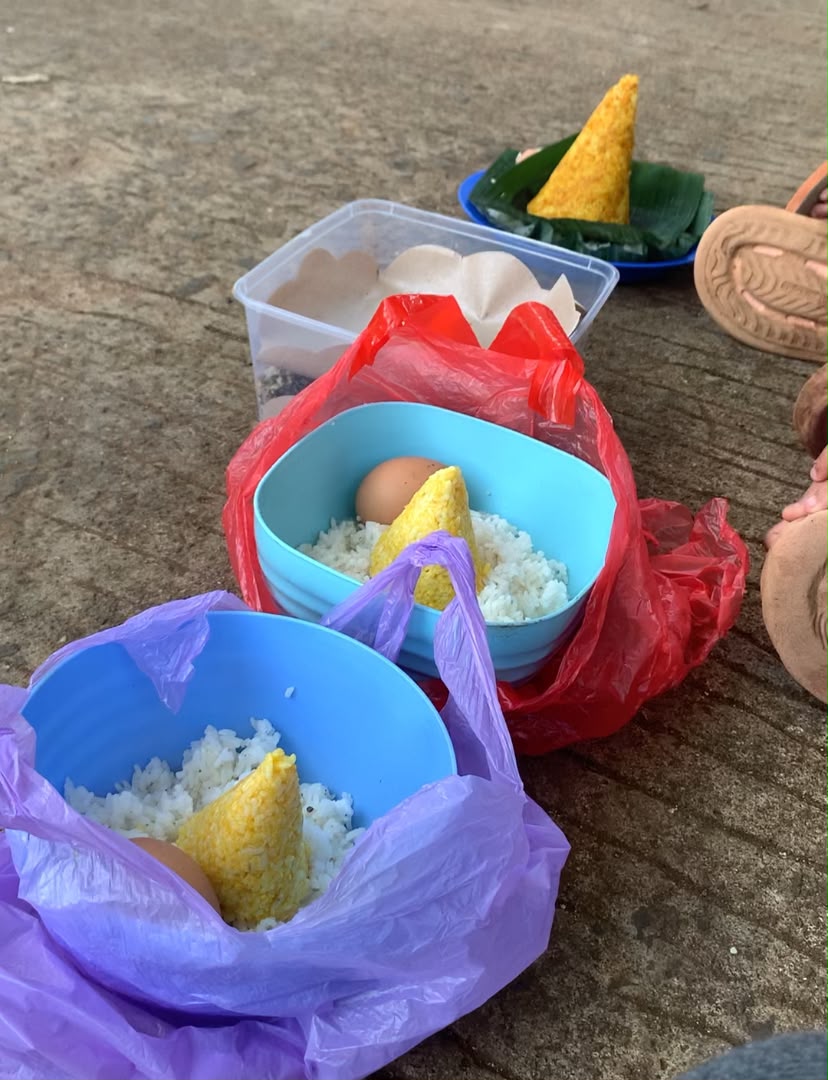
According to local residents, the Barikan Ceremony is held regularly every Friday Wage, one of the days in the Javanese calendar. The tradition is also preserved in Parang Village and Karimunjawa as part of the communities’ ongoing efforts to safeguard their cultural heritage and pass it on to future generations.
The Barikan Ceremony shares similarities with the Sedekah Bumi tradition, as both express gratitude to God while also seeking blessings, protection from misfortune, and safety for the community in their daily lives.
For Alma, participating in the Barikan Ceremony was a valuable learning experience throughout her KKN-PPM program. As a student specializing in Javanese Language, Literature, and Culture, taking part in the tradition allowed her to gain firsthand insight into a living cultural practice that continues to thrive within the community. The experience also broadened her understanding of Indonesia’s rich cultural diversity and reinforced the importance of preserving local traditions as an integral part of the nation’s cultural identity.
[Public Relations, Faculty of Cultural Sciences UGM]
