
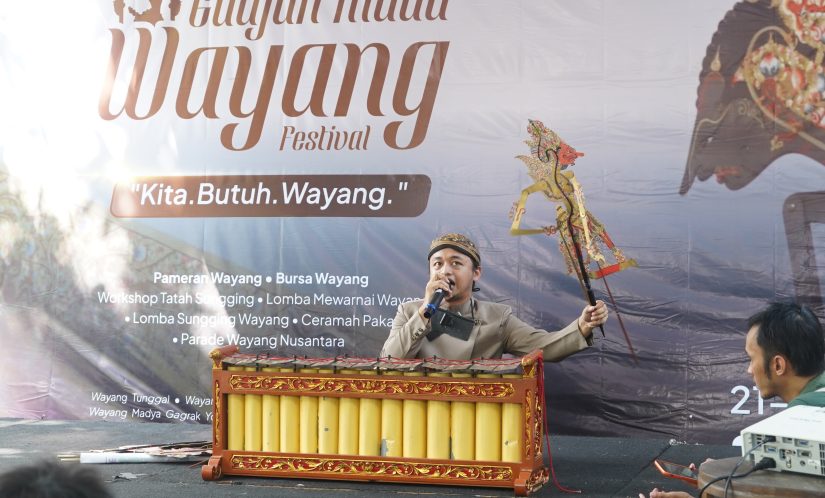
Yogyakarta, May 21, 2026 – The Faculty of Cultural Sciences at Universitas Gadjah Mada (FIB UGM) has officially opened the Gadjah Mada Wayang Festival 2026 at the UGM Center for Javanese Studies (Pusaka Jawa). The event, running from Thursday, May 21, to Saturday, May 23, 2026, is part of the Indonesian Endowment Fund for Education Agency (LPDP RI) EQUITY program and serves as a celebration of the 80th anniversary of FIB UGM.
This year’s festival highlights the main theme “Kita. Butuh. Wayang.” (We Need Wayang). This theme carries a vital message regarding the effort to build a balanced synergy between the academic sphere of UGM and the creative pulse of wayang artisans in Butuh Hamlet, Sidowarno Village, Klaten Regency.
FIB UGM emphasizes that this year’s theme reflects a commitment to keeping traditions alive. It serves as a declaration that the existence of wayang cannot merely be preserved in museum showcases or through stage performances. Wayang must be actively sustained by empowering its makers in Butuh Hamlet, appreciating its creative process, and ensuring its noble values are carried forward by ‘Us’ into the present and future.
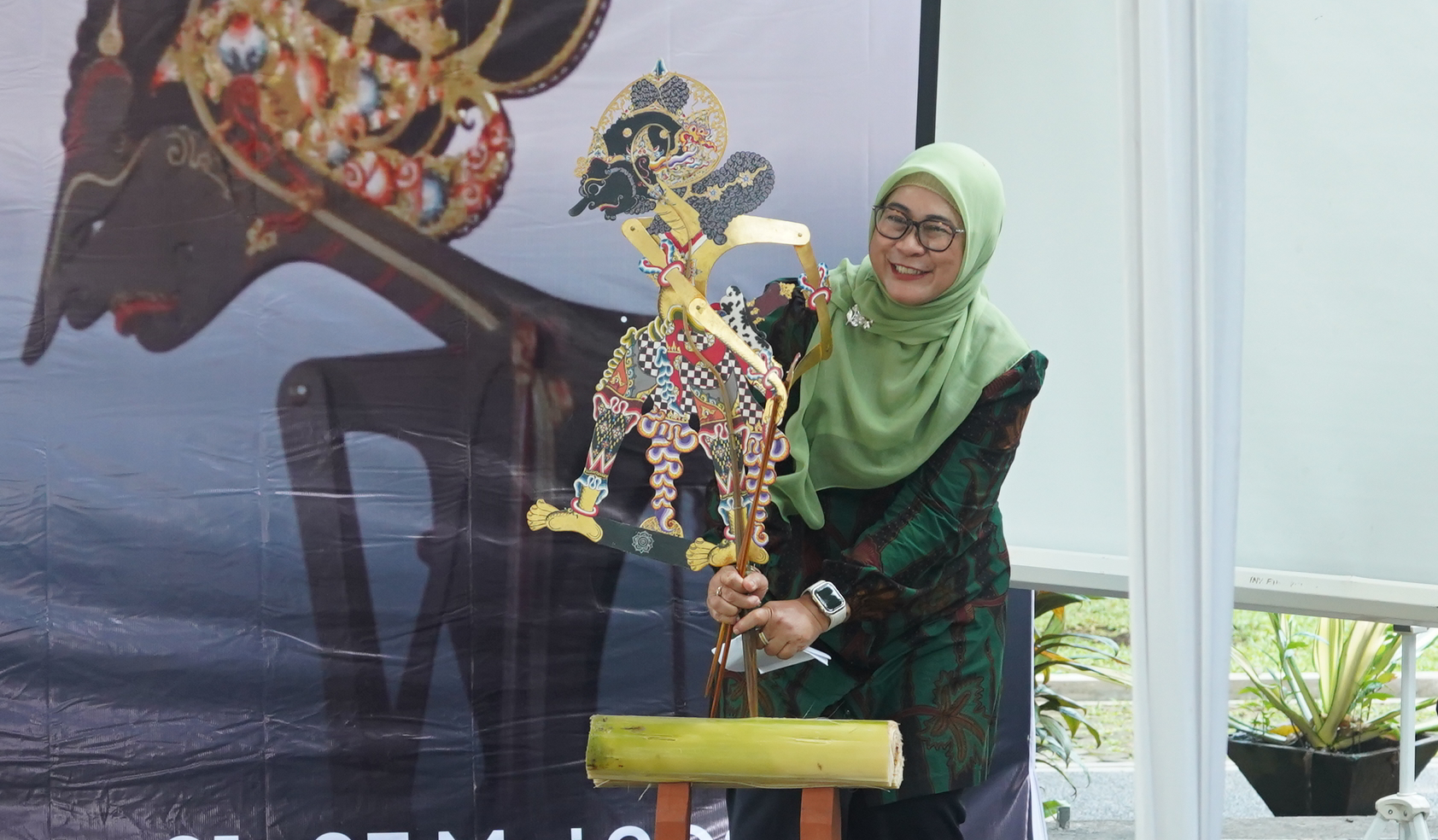
The Gadjah Mada Wayang Festival series opened on Thursday, May 21, 2026, with an Opening Ceremony and a Solo Wayang Performance. On the same day, the committee also hosted a Cardboard Wayang Coloring and Wayang Painting (Sungging) Competition. For three full days, the general public can visit the Wayang Exhibition and Market, which showcases a variety of highly valuable artworks crafted by local artisans.
The second day, Friday, May 22, 2026, focuses on strengthening the academic foundation through an Expert Lecture. The highlight of the festival will take place on Saturday, May 23, 2026. On this final day, the public will have the opportunity to participate in a Tatah Sungging (Wayang Carving and Painting) Workshop, watch the vibrant Nusantara Wayang Parade, and attend the closing ceremony along with the announcement of the competition winners.
The Gadjah Mada Wayang Festival 2026 represents a concrete step by the university to preserve the nation’s cultural heritage. Empowering village artisans and placing them at the center of art preservation will foster self-reliance and economic growth within local communities. This empowerment-based preservation approach ensures that ancestral heritage remains competitive, inclusive, and capable of supporting the welfare of its artisans across generations.
[Public Relations of FIB UGM, Candra Solihin]
