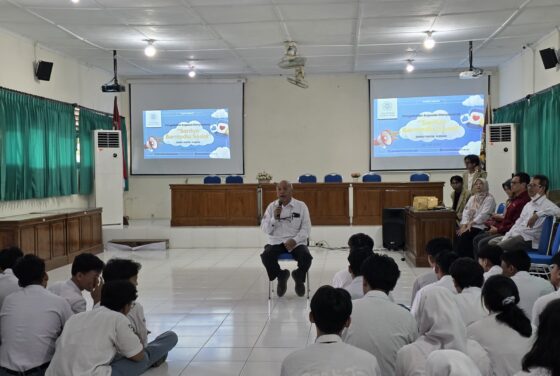
Pada 27 Juli, dosen dan mahasiswa Program Studi Magister Linguistik Universitas Gadjah Mada melaksanakan kegiatan Pengabdian kepada Masyarakat (PkM) di SMAN 1 Depok. Kegiatan ini bertujuan memberikan pemahaman kepada siswa-siswi ...
Baca Selengkapnya
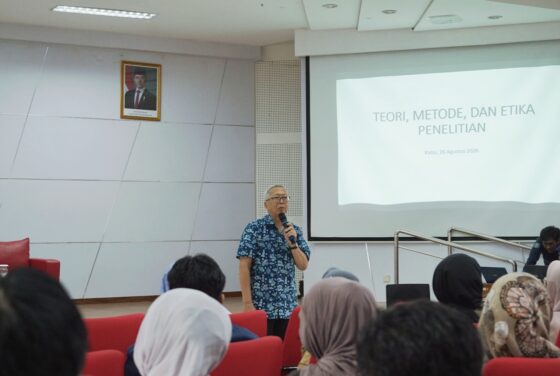
Fakultas Ilmu Budaya (FIB) Universitas Gadjah Mada (UGM) menggelar Kuliah Perdana Program Pascasarjana Tahun Akademik 2026/2027 pada Rabu (26/8). Acara yang berlangsung di Auditorium Gd. R. Soegondo FIB UGM ini ...
Baca Selengkapnya
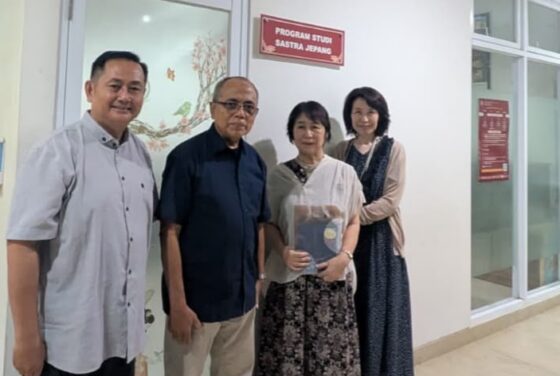
Program Studi Bahasa dan Kebudayaan Jepang Universitas Gadjah Mada menerima kunjungan Ibu Keiko Kawana pada Kamis, 20 Agustus 2026 pukul 11.30 WIB. Dalam kunjungan tersebut, Ibu Keiko berkesempatan berkenalan dengan ...
Baca Selengkapnya
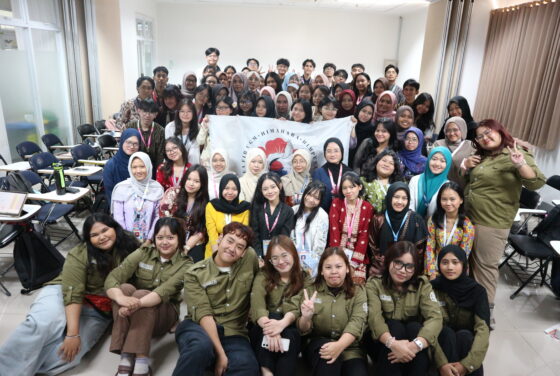
Yogyakarta, 6 Agustus 2026 — Dalam rangkaian kegiatan PIONIR Kampung Budaya, mahasiswa baru Program Studi Bahasa dan Kebudayaan Korea, Fakultas Ilmu Budaya, Universitas Gadjah Mada, mengikuti sesi keprodian pada 6 ...
Baca Selengkapnya
Rilis Berita
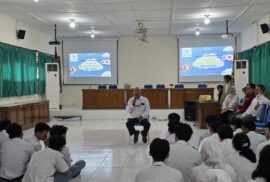
Pada 27 Juli, dosen dan mahasiswa Program Studi Magister Linguistik Universitas Gadjah Mada melaksanakan kegiatan Pengabdian kepada Masyarakat (PkM) di SMAN 1 Depok. Kegiatan ini bertujuan memberikan pemahaman kepada siswa-siswi ...
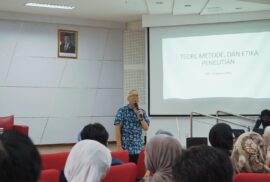
Kuliah Perdana Pascasarjana FIB UGM: Prof. Sajarwa Tekankan Kolaborasi dan Research Gap
28 Agustus 2026
Fakultas Ilmu Budaya (FIB) Universitas Gadjah Mada (UGM) menggelar Kuliah Perdana Program Pascasarjana Tahun Akademik 2026/2027 pada Rabu (26/8). Acara yang berlangsung di Auditorium Gd. R. Soegondo FIB UGM ini ...
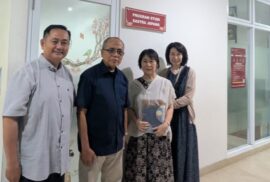
Kunjungan Keiko Kawana ke Prodi Bahasa dan Kebudayaan Jepang UGM
28 Agustus 2026
Program Studi Bahasa dan Kebudayaan Jepang Universitas Gadjah Mada menerima kunjungan Ibu Keiko Kawana pada Kamis, 20 Agustus 2026 pukul 11.30 WIB. Dalam kunjungan tersebut, Ibu Keiko berkesempatan berkenalan dengan ...
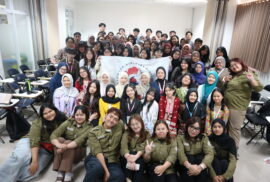
Yogyakarta, 6 Agustus 2026 — Dalam rangkaian kegiatan PIONIR Kampung Budaya, mahasiswa baru Program Studi Bahasa dan Kebudayaan Korea, Fakultas Ilmu Budaya, Universitas Gadjah Mada, mengikuti sesi keprodian pada 6 ...

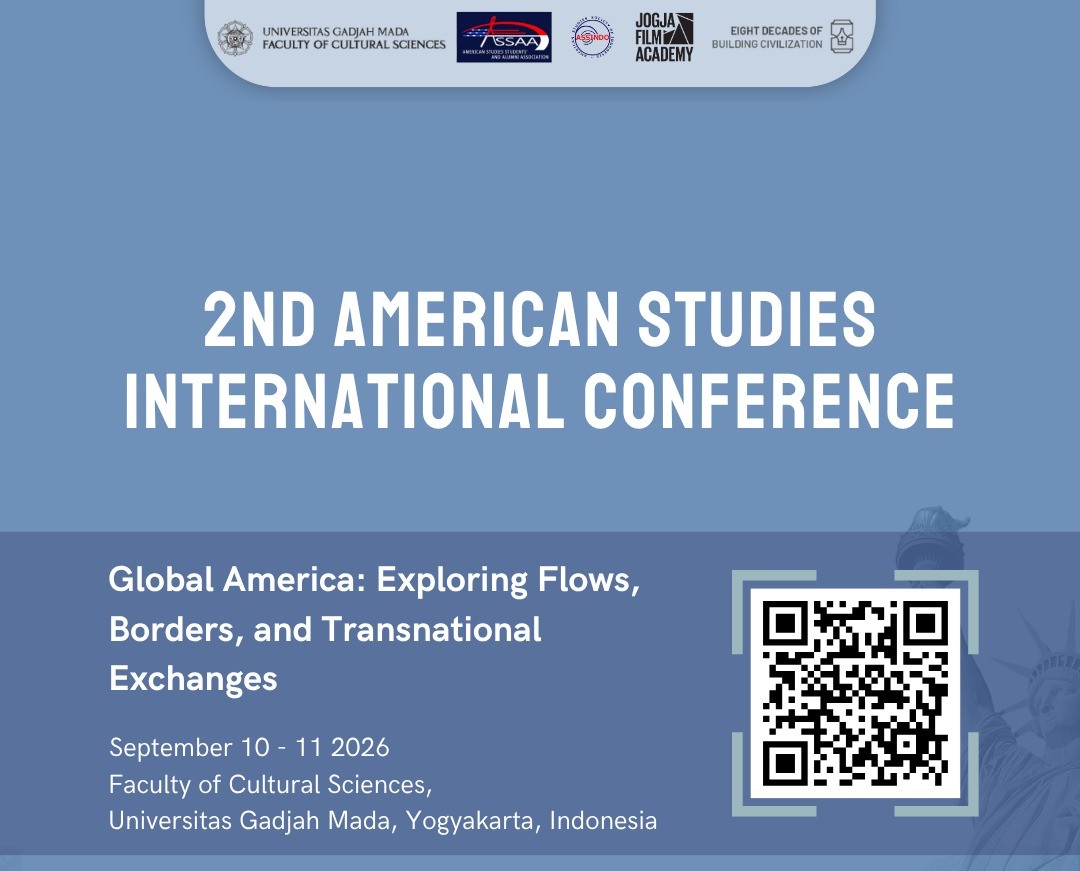

Pranala




Terakreditasi Oleh: