• About UGM
  • Academic Portal
  • IT Center
  • Library
  • Research
  • Webmail
  • Informasi Publik
  • English
    • Indonesia
Universitas Gadjah Mada Faculty of Cultural Sciences
Universitas Gadjah Mada
  • Home
  • Profile
    • History
    • Vision and Mission
    • Organizational structure
    • Administration
    • Staff
    • Faculty Members
  • Academic
    • Academic Calendar
    • Undergraduate Programs
      • Bachelor of Cultural Antrophology
      • Bachelor in Archaeolagy
      • Bachelor in History
      • Bachelor in Tourism
      • Bochetor in Korean Language and Culture
      • Bachelor in Indonesian Language and Culture
      • Bachelor in English
      • Bachelor in Arabic
      • Bachelor in Japanese Language and Culture
      • Bachelor in Javanese Language, Literature and Culture
      • Bachelor in French language and literature
    • Graduate Programs
      • Master in Antrophology
      • Master in ArchaeoIogy
      • Master in History
      • Master in Linguistics
      • Master in Literature
      • Master In American Studies
      • Master in Middle Eastern Cultural Studies
    • Post-Graduate Programs / S3
      • Doctor in Antropology
      • Doctor in American Studies
      • Doctor in Humanities
    • Student Service
  • KPPM
    • Research Information
    • Scientific / Academic Publications
    • Community Service
    • International Cooperation
    • Domestic Cooperation
  • Student Organizations
    • Student Executive Council
    • Semi-Autonomous Organizations
      • KAPALASASTRA
      • Christian Student Alliance
      • LINCAK
      • Saskine
      • Catholic Student Family
      • Dian Budaya
      • Sastra Kanuragan (sasgan)
      • Family of Muslim Cultural Sciences Students (KMIB)
      • Bejo Mulyo
    • Autonomous Organizations
      • Family of Anthropology Students (KEMANT)
      • English Department Student Association
      • Tourism Students Association (HIMAPA)
      • Family of Indonesian Literature Students (KMSI)
      • West Asian Literature Student Association (IMABA)
      • Association of Korean-Language Students (HIMAHARA)
      • Family of Regional Indonesian Literatures Students (KAMASUTRA)
      • The Family Body of History Students (BKMS)
      • The French Literature Students Association (HMSP)
      • Family of Anthropology Students
      • Japanese Student Association (HIMAJE)
  • Admission
    • Student Evaluation
  • Home
  • Universitas Gadjah Mada
  • Universitas Gadjah Mada
  • page. 9
Arsip:

Universitas Gadjah Mada

POSBINDU PTM CADRE TRAINING ACTIVITIES

HEADLINESNews Release Tuesday, 13 February 2024

In preparation for the implementation of Posbindu PTM activities, HPU FIB UGM held training activities for Posbindu cadres. This activity was carried out over two days. On the first day, Monday 6th of February 2024, material provision about Posbindu was held in the Multimedia Room of Margono Building, 2nd Floor, Faculty of Cultural Sciences, Gadjah Mada University. The event opened promptly at 8 am and continued with the Pre test. Furthermore, the delivery of material related to the introduction of HPU, introduction to Posbindu PTM, assessment of risk factors for PTM, assessment of nutritional status and nutritional education, measurements at Posbindu, recording and reporting at Posbindu, consultation on examination results and education at table 5, safety at Posbindu, and first aid in an accident. After being provided with some of these materials, participants took the post test.

The second day’s event was held the following day, it was Wednesday, 7th of February 2024 in Courtroom 1 of Poerbatjaraka Building, 1st Floor,  Faculty of Cultural Sciences, Gadjah Mada University at 8 am until 12.15 pm. Because on the first day the participants were presented with basic material regarding Posbindu and so on, on the second day the participants were encouraged to practice. The Posbindu training participants carried out the Posbindu table 5 simulations and exercises with enthusiasm and passion, then immediately carried out the second post test to see the progress they had made as Posbindu cadres after receiving the material and training during the two-day event.
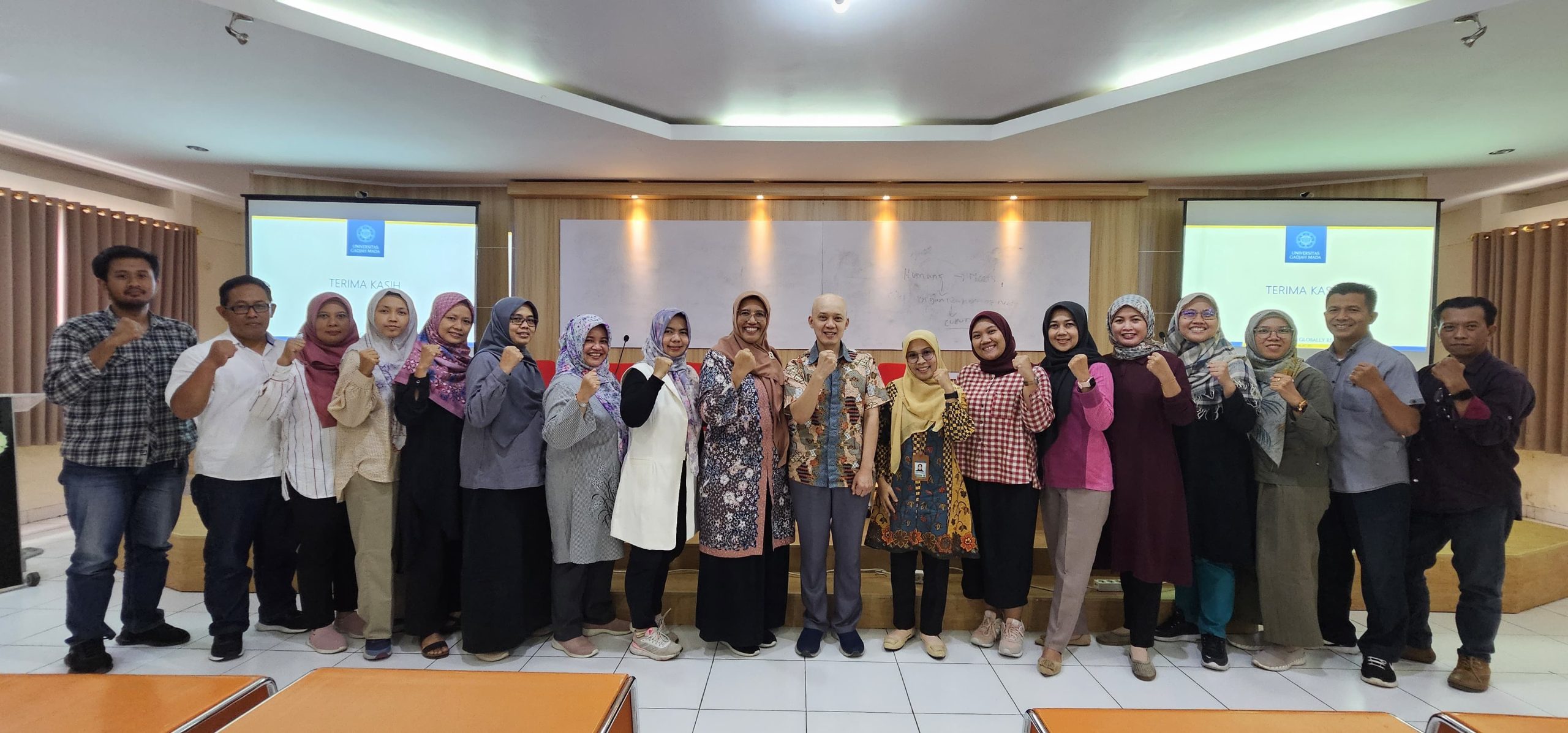
This event received cooperation and assistance from Mr./Mrs. UGM HPU Team. Head of HPU UGM, Prof. Dra. Yayi Suryo Prabandari, M.Sc., PhD, had the opportunity to directly accompany the training participants as a speaker regarding examination activities in posbindu and health check practices (measuring blood pressure and taking blood samples to check cholesterol, sugar and uric acid levels). He received a direct invitation from the Deputy Dean for Finance, Assets and Human Resources, namely Mr. Suray Agung Nugroho, M.A., Ph.D. The Posbindu cadre training was attended by staff from the Faculty of Cultural Sciences, Gadjah Mada University. The targets of Posbindu services are all staff, both lecturers and teaching staff in the faculty environment.
IISMA Preparation 2024: Empowering Dreams and Achieving SDG 4 through Real Actions

HEADLINESNews Release Wednesday, 31 January 2024

In a dedicated effort to empower students of the Faculty of Cultural Sciences at Universitas Gadjah Mada (UGM) and strive towards achieving SDG 4 – Quality Education, Pusat Bahasa organized a free IISMA Preparation during the winter break of 2024. The primary objective of this initiative was to provide support to the students aspiring to participate in IISMA Program 2024, which is part of the Ministry of Education, Culture, Research, and Technology’s broader initiative, the Merdeka Belajar Kampus Merdeka (MBKM) Programs. Held each morning from January 22nd to February 2nd, 2024, the bootcamp served as a platform to equip students with essential skills and strategies crucial for participation in IISMA Program 2024.

The mentoring team, comprising Adiba Qonita Zahroh, S.S., M.Litt., Alvanita, M.Ed., and Diyah Ayu Puspitasari, S.S., M.A., played a pivotal role in guiding students through the intricacies of essay writing and interview strategies. Their collective expertise aimed to enhance the students’ chances of becoming recipients of the IISMA Program awards. By delving into these key aspects, the bootcamp not only offered valuable academic insights but also contributed to the personal and professional development of the participating students.

Beyond skill development, IISMA Preparation 2024 also provided tangible benefits for active participants. Students who attended a minimum of 70% of the sessions were entitled to receive a chance for the Academic English Proficiency Test (AcEPT) at Pusat Bahasa FIB UGM for free. This added incentive further reinforced the university’s commitment to fostering holistic growth and creating opportunities for students to excel both academically and beyond.

By: Pusat Bahasa FIB UGM

CLOSING CEREMONY OF INTENSIVE BUFS INTERPRETATION PROGRAM 2024

HEADLINESNews Release Wednesday, 31 January 2024

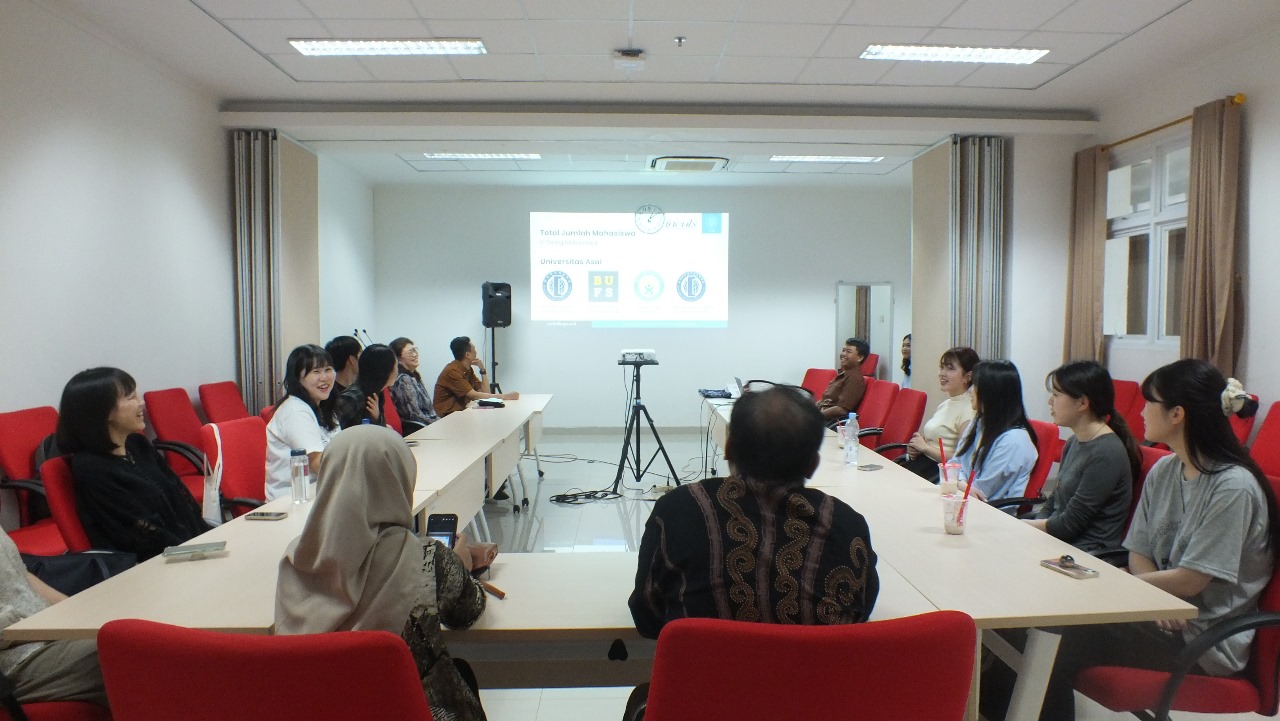
As an implementation of collaboration between Busan University of Foreign Studies (BUFS) and Gadjah Mada University (UGM), INCULS was holding an intensive Special Lecture Korea-Indonesia & Indonesia-Korea Interpretation program. A total of 9 BUFS students for 2 weeks starting from January 15th 2024 had undergone language learning, especially regarding the Interpretation course at INCULS (Indonesian Language and Culture Learning Service), Faculty of Cultural Sciences, Gadjah Mada University. On Friday, January 26th 2024, the closing ceremony was held in the Soegondo building, room 721, 13.00-15.00 West Indonesia Time.

The closing agenda featured several speeches coming from INCULS staff, program teachers, and representatives of participants who were BUFS students. From INCULS, there was a deputy coordinator who provided reporting on the entire program where this intensive learning was carried out specifically regarding the Interpretation course which includes Medical, Tourism, Events and Business topics. The INCULS Coordinator gave a speech and officially closed the program. There were two teachers who also gave speeches. And last, there was a speech from one of the students who expressed his good impression during the program and also expressed his gratitude for the valuable knowledge that had been provided.

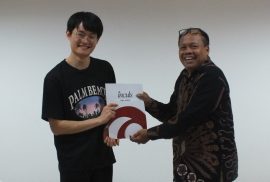
The event closed by giving a certificate to each student participating in the program. Even though at the beginning of the learning period it could be said to be very difficult, as time went on the process felt easier because the program participants were able to adapt well day by day. Gratitude colored the closing event because the learning process went smoothly and gave a good impression to all participants. Hopefully the experience gained will be a valuable experience. Always enthusiastic and successful! Hopefully we’ll meet again soon!


JAPAN FOUNDATION (JF) JAKARTA VISIT TO THE FACULTY OF CULTURAL SCIENCES, GADJAH MADA UNIVERSITY

HEADLINESNews Release Monday, 29 January 2024

The Japan Foundation is a non-profit institution owned by the Japanese government which is specifically dedicated to international cultural exchange activities. This institution seeks to create various activities and provide facilities and information so that individuals can interact with each other with the aim of deepening mutual understanding between Japanese society and other countries through arts and cultural exchange activities, education and learning Japanese in abroad, and Japanese studies abroad, and also collect the material and then distribute it. Even though it is based in Tokyo, The Japan Foundation already has 24 branch offices spread throughout the world. One of them is in Jakarta, Indonesia. The Japan Foundation Jakarta is tasked with carrying out activities initiated by the head office, contributing to Japanese and Indonesian cultural exchange activities, supporting and collaborating with external organizations, conducting research, and providing information related to all cultural exchange activities carried out by The Japan Foundation.

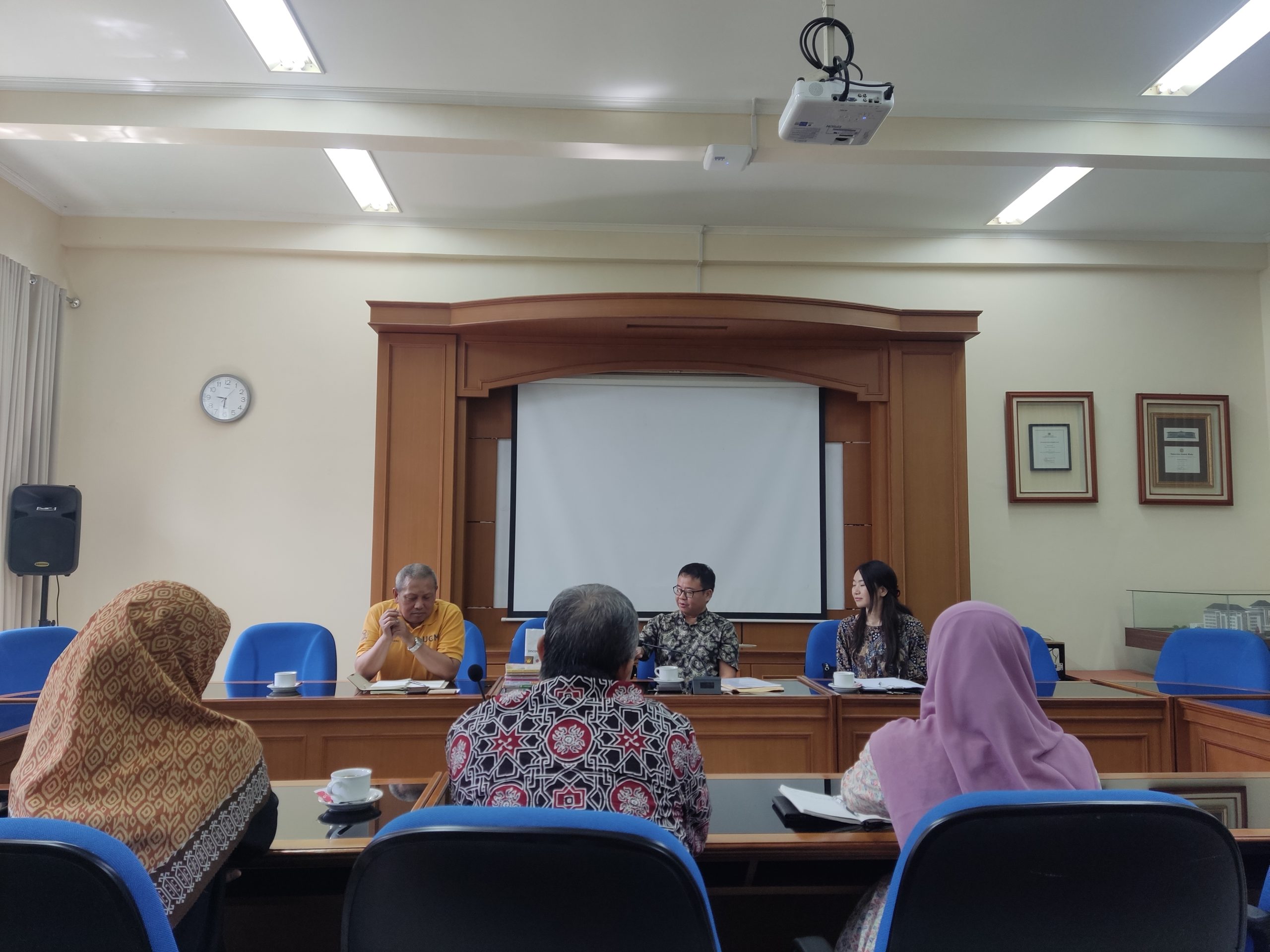
In order to provide support and strengthen collaboration, the Japan Foundation (JF) Jakarta visited the Japanese Language and Culture Study Program, Gadjah Mada University on Friday 26th of January 2024 at the Faculty of Cultural Sciences. The visit from the Japan Foundation (JF) Jakarta was represented by Deputy Mr. Yamazaki Takaya and Mrs. Kadoi Minako from the division of Japan Language Education. On this occasion, a meeting was held to discuss the cooperation that has existed for approximately 35 years since the establishment of the Japanese Language and Culture Study Program, Faculty of Cultural Science, Gadjah Mada University in 1989. Apart from that, there were several important things that were also discussed, including making plans regarding future cooperation, discussing the development of Japanese science and the challenges faced in the current and future eras. It is hoped that this meeting will have a positive impact on the cooperative relationship between the two organizations in the future. In this way, the goals of both the Japan Foundation (JF) and the Japanese Language and Culture Study Program, especially in the field of education, can be carried out well.


Decoding the Use of Language: How Men and Women Speak Different Social Tunes

News Release Saturday, 27 January 2024

Ever wonder why men and women sometimes seem like they’re speaking different languages? Linguists have been digging into this mystery, going beyond vocabulary differences to explore how men and women communicate in unique ways. This article aims to discover the fascinating world of gender-specific language patterns, pulling insights from reliable sources to give you the lowdown on this captivating aspect of human interaction.

Communication Styles: Reading Between the Lines

When it comes to social interactions, men and women often showcase distinct communication styles. Women, in particular, have a knack for using implicit language, especially when expressing their wants or likes. Picture this: you’re on a date, and your girlfriend doesn’t outright say where she’d like to go. Instead, she drop hints, leaving it to you to play detective and figure out their unspoken preferences. This tendency aligns with what linguists have found – women often use subtle communication strategies to get their point across (Lakoff, 1975).

Tag Questions and Rising Intonation: The Women’s Secret Language

One of the landmark studies on gender-specific language use, led by Deborah Tannen in 1975, shed light on the prevalence of tag questions in women’s speech. Tannen argued that women deploy tag questions as a way of hedging, adding a touch of uncertainty or seeking reassurance. She also pointed out that women frequently use rising intonation on statements, making them sound like questions. This linguistic quirk adds a layer of complexity to women’s communication, requiring a nuanced interpretation to grasp their intended meaning.

Different Strokes: Men vs. Women in Language

Linguists have delved into the intriguing differences in emphasis between men’s and women’s language, shedding light on unique communication styles. Research indicates that men typically prioritize conveying information, striving for clarity and directness. In contrast, women often assign a higher significance to social connections and the cultivation of relationships (Tannen, 1990). For instance, women may engage in sharing gossip as a means to foster and maintain relationships among themselves (Tannen, 1991). This communication practice, far from being trivial, serves as a social bonding mechanism, strengthening connections within their social circles. On the other hand, men tend to share information selectively, focusing on relaying pertinent and crucial details.

In conclusion, the use of language between men and women unfolds as a multifaceted phenomenon, intricately woven with various linguistic nuances. Deborah Tannen’s groundbreaking work in 1975 marked a significant milestone, offering a gateway to a deeper comprehension of these distinctive communication styles. The delicacy inherent in women’s language, coupled with their strong emphasis on social connections, contributes to the rich tapestry of human communication. Importantly, recognizing and appreciating these nuanced differences in language aligns with the global pursuit of achieving the United Nations Sustainable Development Goal (SDG) 5 – Gender Equality. SDG 5 emphasizes the importance of dismantling gender stereotypes and promoting equal opportunities in various spheres, including communication. As our understanding of gender differences in language continues to evolve, it becomes increasingly crucial to consider these nuances not only for enhancing interpersonal communication but also as part of a broader commitment to fostering gender equality. By acknowledging and valuing the unique ways in which men and women communicate, we contribute to creating a more inclusive and respectful world.

References:
Lakoff, R. (1975). Language and Woman’s Place. Harper & Row.
Tannen, D. (1975). You Just Don’t Understand: Women and Men in Conversation. William Morrow and Company, Inc.
Tannen, D. (1990). You’re Wearing THAT?: Understanding Mothers and Daughters in Conversation. Random House.
Tannen, D. (19911990). You just don’t understand: women and men in conversation. 1st Ballantine Books ed. New York, Ballantine.

This article has previously been published by Pusat Bahasa FIB UGM through this link.

1…789101112

Video UGM

[shtmlslider name='shslider_options']
Universitas Gadjah Mada

Faculty of Cultural Sciences
Universitas Gadjah Mada
Jl. Nusantara 1, Bulaksumur Yogyakarta 55281, Indonesia
   fib@ugm.ac.id
   +62 (274) 513096
   +62 (274) 550451

Work Units

  • Office of Journal & Publishing
  • INCULS
  • Information Technology and Database
  • Language Learning Center
  • Library Unit
  • Public Relations
  • Research

Facilities

  • Computer Laboratory
  • Gamelan
  • Guest House
  • Language Library
  • Library
  • Phonetics Library
  • Self Access Unit
  • Student Internet Centre

Importan Links

  • Journal of Humaniora
  • Subscriber Journal
  • Alumni Portal
  • Career
  • Departmens News
  • UGM Streaming

Contacts

  • Academic
  • Administration
  • Dean’s Office
  • Departments / Study Programs
  • Public Relations

© 2024 Faculty of Cultural Sciences Universitas Gadjah Mada

KEBIJAKAN PRIVASI/PRIVACY POLICY

[EN] We use cookies to help our viewer get the best experience on our website. -- [ID] Kami menggunakan cookie untuk membantu pengunjung kami mendapatkan pengalaman terbaik di situs web kami.I Agree / Saya Setuju