• About UGM
  • Academic Portal
  • IT Center
  • Library
  • Research
  • Webmail
  • Informasi Publik
  • English
    • Indonesia
Universitas Gadjah Mada Faculty of Cultural Sciences
Universitas Gadjah Mada
  • Home
  • Profile
    • History
    • Vision and Mission
    • Organizational structure
    • Administration
    • Staff
    • Faculty Members
  • Academic
    • Academic Calendar
    • Undergraduate Programs
      • Bachelor of Cultural Antrophology
      • Bachelor in Archaeolagy
      • Bachelor in History
      • Bachelor in Tourism
      • Bochetor in Korean Language and Culture
      • Bachelor in Indonesian Language and Culture
      • Bachelor in English
      • Bachelor in Arabic
      • Bachelor in Japanese Language and Culture
      • Bachelor in Javanese Language, Literature and Culture
      • Bachelor in French language and literature
    • Graduate Programs
      • Master in Antrophology
      • Master in ArchaeoIogy
      • Master in History
      • Master in Linguistics
      • Master in Literature
      • Master In American Studies
      • Master in Middle Eastern Cultural Studies
    • Post-Graduate Programs / S3
      • Doctor in Antropology
      • Doctor in American Studies
      • Doctor in Humanities
    • Student Service
  • KPPM
    • Research Information
    • Scientific / Academic Publications
    • Community Service
    • International Cooperation
    • Domestic Cooperation
  • Student Organizations
    • Student Executive Council
    • Semi-Autonomous Organizations
      • KAPALASASTRA
      • Christian Student Alliance
      • LINCAK
      • Saskine
      • Catholic Student Family
      • Dian Budaya
      • Sastra Kanuragan (sasgan)
      • Family of Muslim Cultural Sciences Students (KMIB)
      • Bejo Mulyo
    • Autonomous Organizations
      • Family of Anthropology Students (KEMANT)
      • English Department Student Association
      • Tourism Students Association (HIMAPA)
      • Family of Indonesian Literature Students (KMSI)
      • West Asian Literature Student Association (IMABA)
      • Association of Korean-Language Students (HIMAHARA)
      • Family of Regional Indonesian Literatures Students (KAMASUTRA)
      • The Family Body of History Students (BKMS)
      • The French Literature Students Association (HMSP)
      • Family of Anthropology Students
      • Japanese Student Association (HIMAJE)
  • Admission
    • Student Evaluation
  • Home
  • UGM
  • UGM
  • page. 2
Arsip:

UGM

Paksi Raras Alit Explains the Creative Process and Challenges of Adapting Ancient Manuscripts into Performing Arts

News ReleaseSDGs 11: Sustainable cities and communitiesSDGs 4: Quality Education Thursday, 18 September 2025

Yogyakarta, 15 September 2025 – The Study Program of Javanese Language, Literature, and Culture, Faculty of Cultural Sciences, Universitas Gadjah Mada (FIB UGM), presented artist Paksi Raras Alit in an Expert Lecture themed “Adapting Ancient Manuscripts into Performing Arts.” On this occasion, Paksi delivered a presentation entitled “From Page to the Stage: Manuscript to Stage Performance” which highlighted the creative process as well as the challenges of transforming ancient texts into stage performances.

Paksi explained that adapting ancient manuscripts into the performing arts is not merely transferring written texts into forms of drama, theater, wayang, or music. Rather, it involves a long process of rewriting, editing, adapting, and developing imagination to bring the text to life on stage. This creative process covers several crucial stages, including imaginative exploration, content adaptation, co-modification with the creative team, and technical production. Ultimately, all these steps are directed toward creating a performance that can be understood and appreciated by the audience.

However, significant challenges inevitably arise throughout the process. Paksi emphasized the fundamental questions that every artist or creator must answer: Where should one begin? What needs to be included or omitted? How can long descriptive passages about characters, places, and events be translated into a stage performance? Should all dialogues be presented in full? Often, manuscripts feature characters who speak in lengthy, elaborate texts that must be condensed to remain effective on stage.

This discussion demonstrated that performing arts are not merely a form of entertainment but also a meeting space between text, creativity, and audience. Furthermore, the creative endeavor of reviving ancient manuscripts on stage is also part of safeguarding intangible cultural heritage, in line with the Sustainable Development Goals (SDGs)—specifically Goal 4 on Quality Education, which encourages knowledge development based on tradition, and Goal 11 on Sustainable Cities and Communities, through the preservation and actualization of cultural heritage in a modern context.

Through this event, FIB UGM reaffirmed its commitment as an academic space not only to study ancient manuscripts but also to connect them with performing arts, ensuring that tradition remains relevant and can be passed down across generations.

[Public Relations of FIB UGM, Alma Syahwalani]
Dini Maulia’s Doctoral Dissertation Explores Negation Systems in Japanese and Indonesian

News ReleaseSDGs 10: Mengurangi KetimpanganSDGs 4: Quality Education Wednesday, 10 September 2025

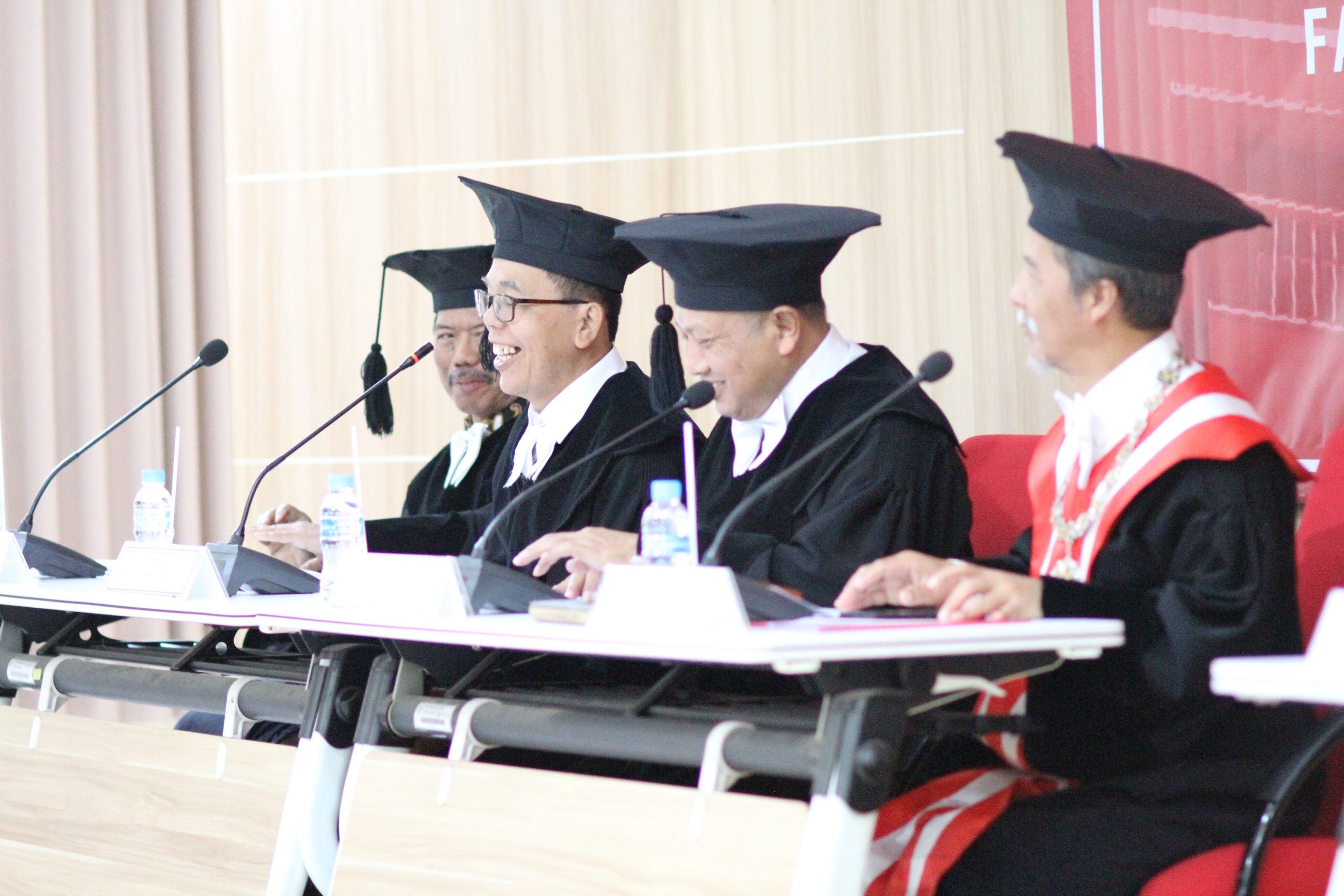
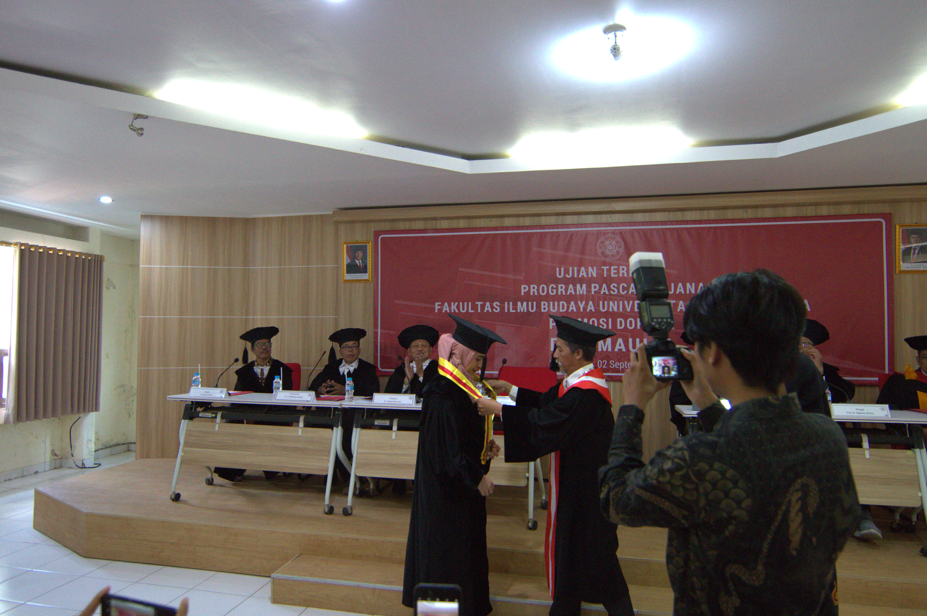
Yogyakarta, September 10, 2025 – The Faculty of Cultural Sciences, Universitas Gadjah Mada (FIB UGM), has once again produced significant research in the field of linguistics. Dini Maulia, a doctoral student in Linguistics under the Graduate Program of Humanities, successfully defended her dissertation entitled “A Contrastive Analysis of Negation in Japanese and Indonesian.”

In her dissertation, Dini was supervised by Dr. Tatang Hariri, M.A. as the main advisor, and Dr. Y. Tri Mastoyo, M.Hum. as the co-advisor. The study aimed to compare the negation systems in Japanese and Indonesian using a theoretical contrastive analysis framework, drawing on the works of Fisiak (1980), Ke (2019), Krzeszowski (1990), and Zabrocki (1980).

The findings revealed that negation markers can be classified into two types: affixal negation and sentential negation. Furthermore, based on X-bar theory, it was found that affixal negation in both Japanese and Indonesian occupies the modifier node that describes a noun.

Through contrastive analysis, the study also identified four main factors influencing the similarities and differences in the negation systems of the two languages, namely:

  1. Negation as a universal grammatical feature,

  2. Language typology,

  3. Categories of sentential negation, and

  4. Tense systems.

This research not only contributes to theoretical linguistic studies but also aligns with the goals of the Sustainable Development Goals (SDGs), particularly SDG 4 (Quality Education), through the advancement of cross-cultural linguistic knowledge, and SDG 10 (Reduced Inequalities), by fostering intercultural and interlingual understanding.

With these findings, the study is expected to build a more comprehensive model of contrastive language analysis, enriching linguistic scholarship while strengthening UGM’s role in producing world-class academics.

[Public Relations Office, FIB UGM – Alma Syahwalani]

ERASMUS+ Guest Lecture Explores Sustainable Tourism Practices at FIB UGM

News Release Tuesday, 9 September 2025

Yogyakarta, September 2, 2025 – The Undergraduate Tourism Program, Faculty of Cultural Sciences, Universitas Gadjah Mada, held a guest lecture as part of the ERASMUS+ Staff Mobility program with the theme “Sustainability and Sustainable Practices in Tourism Enterprises.”

The lecture featured Assoc. Prof. Göktaş Kulualp from Karabuk University, Türkiye. In his presentation, Prof. Kulualp elaborated on several key aspects of sustainable tourism.

He began by providing an overview of the introduction to sustainable tourism, covering its definition and basic principles. He then discussed global trends and policy frameworks set by UNWTO, including regulations for hotels, tour operators, and tourist destinations. According to him, after the Covid-19 pandemic, there has been a growing interest in slow tourism, ecotourism, and nature-based travel.

Prof. Kulualp also highlighted sustainable tourism practices in Türkiye, particularly through eco-friendly certification programs. One example is the Green Star Certificate, awarded by the Turkish Ministry of Culture and Tourism to environmentally conscious hotels, with assessments on energy and water efficiency, waste management, and the use of local products. In addition, he mentioned international eco-labels such as Green Key and Blue Flag, which are awarded to hotels and beaches that protect the environment.

These efforts align with the Sustainable Development Goals (SDGs), specifically SDG 8 (Decent Work and Economic Growth), SDG 12 (Responsible Consumption and Production), and SDG 13 (Climate Action). Through sustainable tourism practices, the tourism sector is expected not only to generate economic benefits but also to maintain environmental and socio-cultural balance.

The event concluded with an interactive Q&A session, allowing students to gain deeper insights into the implementation of sustainable tourism concepts in various countries, including their relevance to the Indonesian context.

[Public Relations FIB UGM, Alma Syahwalani]
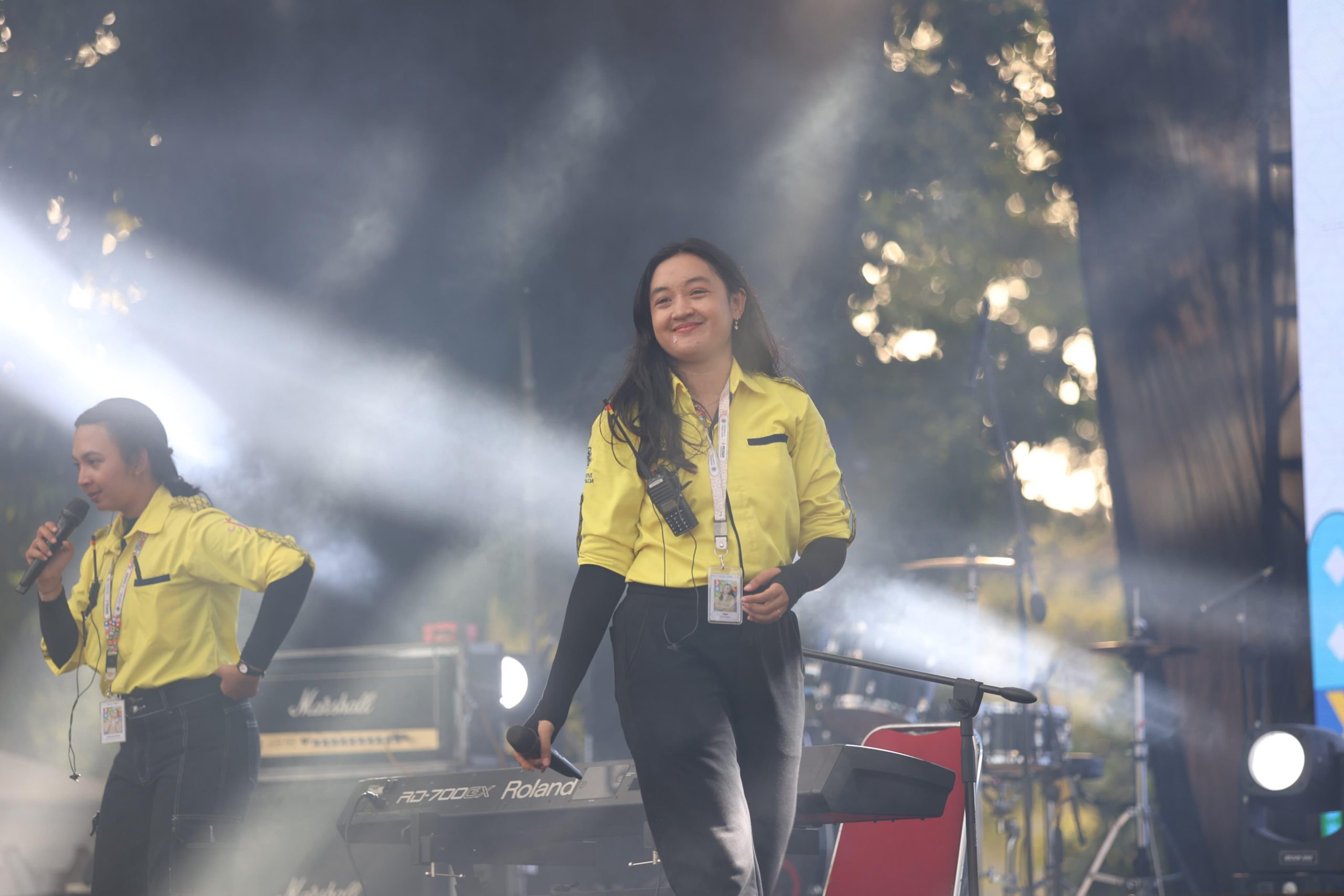
Discover Your Potential: Bagus Ulin, a 2023 Student of Javanese Language, Literature, and Culture, Actively Pursuing a Passion in MC and Public Speaking

News ReleaseSDGs 4: Quality EducationSDGs 8: Decent work and economic growth Thursday, 3 July 2025

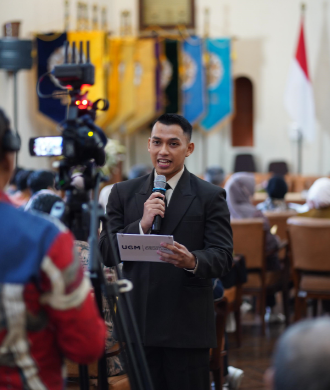
Yogyakarta, July 2, 2025 — Muhammad Bagus Ulin Nuha, a 2023 student of the Javanese Language, Literature, and Culture Program at the Faculty of Cultural Sciences (FIB) UGM, is a student who actively develops his potential in the fields of Master of Ceremony (MC) and public speaking.

Bagus’s interest in public speaking began at an early age. While in elementary school, he frequently participated in Indonesian speech competitions. His talent became even more prominent in junior high school, where he won first place in a speech contest. These experiences became the starting point of his journey into the MC world, which he continues to pursue to this day.

“For me, public speaking is not just about performing in front of others—it’s about learning from your surroundings and constantly improving yourself,” said Bagus.

Although academics remain his main priority, Bagus still makes time outside of class to practice and hone his voice. This commitment has given him considerable experience as an MC. One of his notable experiences was being entrusted as the MC for the Gadjah Mada Festival. He is also active as a volunteer, particularly in the event division.

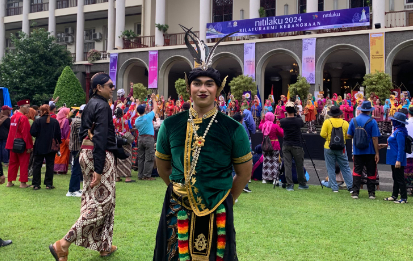
Beyond MC work, Bagus also explores other forms of performing arts. He once studied dance at FIB and performed the traditional Jathilan dance at the 13th Gugur Gunung event organized by the Javanese Language, Literature, and Culture Program in 2024. He considered this a new step in his personal development journey.

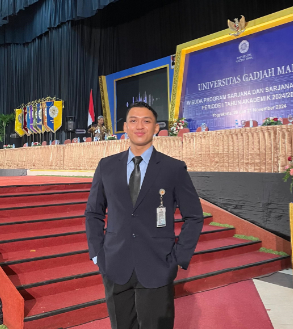
That same year, he was also entrusted to guide the Pionir Kampung Budaya 2024 event, which further sharpened his public speaking skills. In addition, Bagus has served as MC for several UGM graduation ceremonies. This year, he was accepted as a part-time student staff at UGM’s Office of Public Relations and Protocol, assigned to the protocol division.

All of these activities align with UGM’s commitment to supporting the Sustainable Development Goals (SDGs), particularly SDG 4: Quality Education, which encourages the development of life skills and vocational training among students. Bagus exemplifies how students can grow beyond the classroom, proving that education is not only about academics but also about shaping character and practical competence.

Furthermore, his experiences in MC and protocol work also support SDG 8: Decent Work and Economic Growth, by fostering early professional readiness during his studies. Through these experiences, students like Bagus are equipping themselves with relevant skills to face the future world of work.

Bagus emphasizes that everyone can develop their potential, as long as they have the willingness and consistency to grow. He also aims to prove that students of Javanese Language, Literature, and Culture have many opportunities to thrive in various fields.

“To all my fellow FIB students—get to know your potential and don’t be afraid to try. FIB and UGM provide platforms for us to grow and develop,” he concluded.

[Public Relations FIB, Alma Syahwalani]

Being Busy Is Not an Excuse: English Literature Student Vari Has Released Songs, Performed at Festivals, and Is Producing Her Own Album

News ReleaseSDG 4 (Quality Education)SDGs 8: Decent work and economic growth Thursday, 3 July 2025

Yogyakarta, July 1, 2025 — Ardhanamesvari Nuringtyas Aji, fondly known as Vari, is a student in the 2023 cohort of the English Literature Program at the Faculty of Cultural Sciences (FIB), Universitas Gadjah Mada. Now entering her fifth semester, Vari continues to actively pursue her passion for music, writing, and exploring new creative experiences — all while juggling her academic responsibilities.

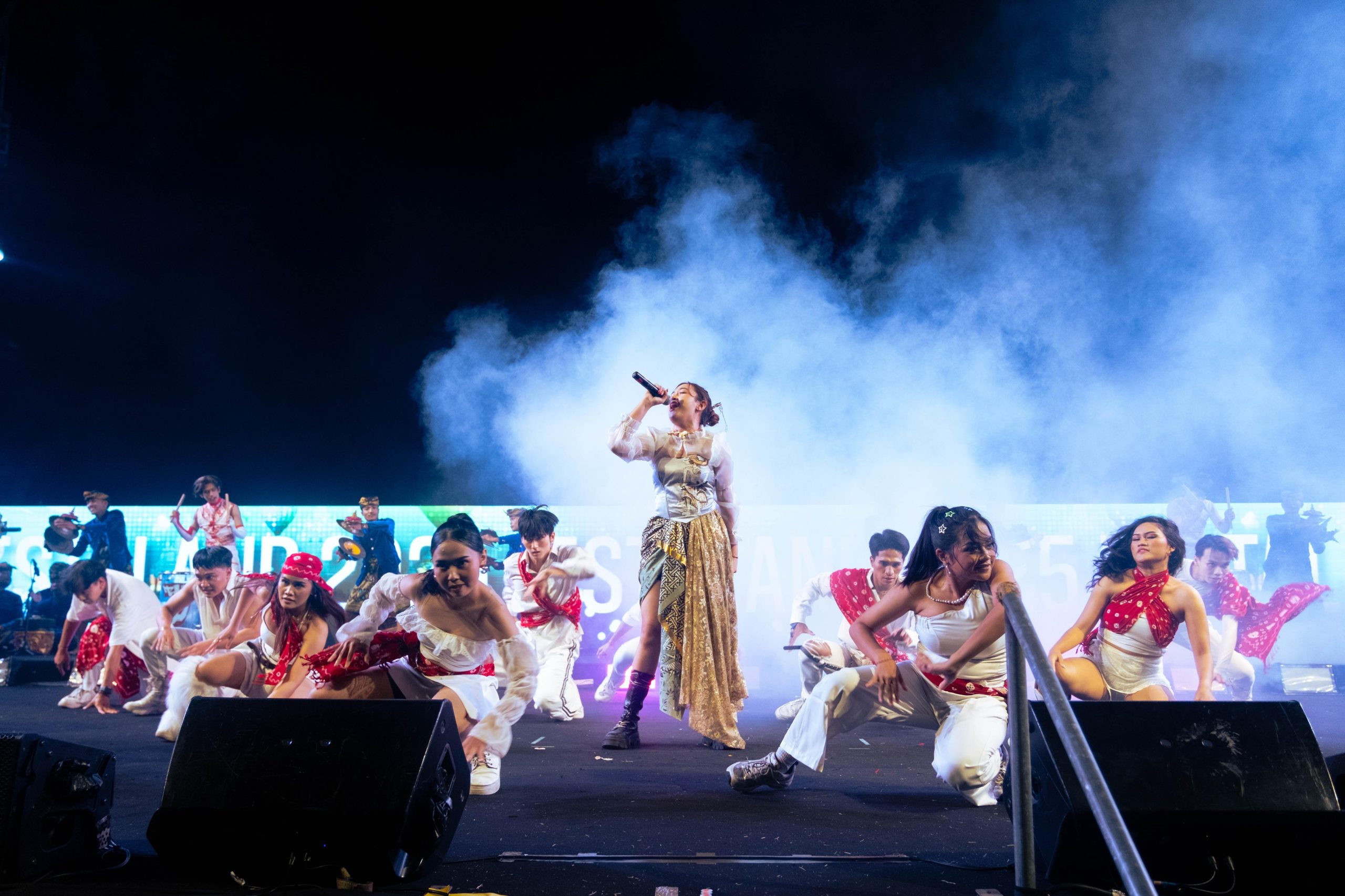
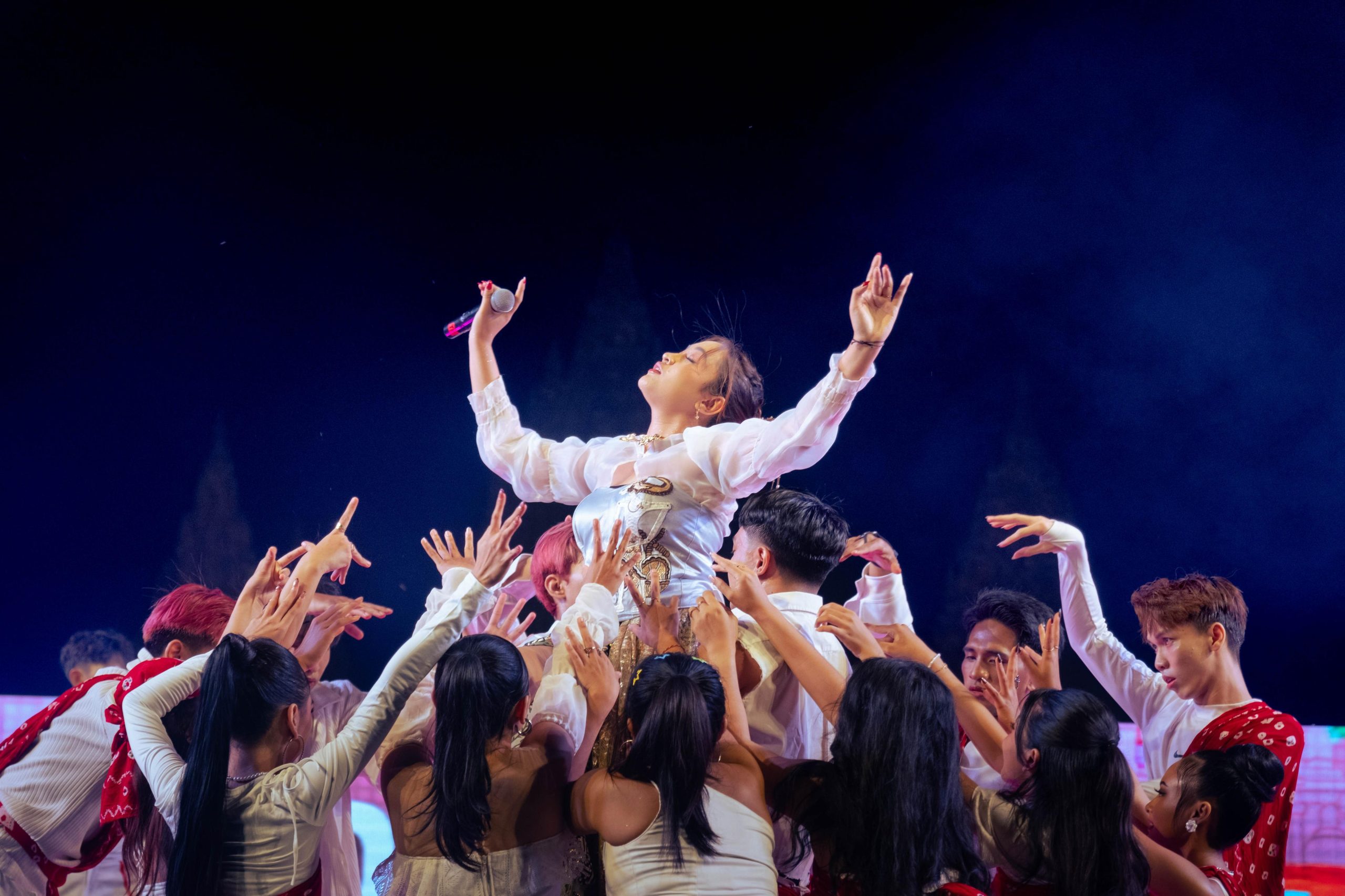
Vari’s talent and enthusiasm for music didn’t appear out of nowhere. From an early age, she was introduced to music, and during her junior high school years, she began collaborating with Kak Hamdani, a teacher who is also a music arranger. This creative partnership has continued to this day. Thanks to that connection, Vari was invited to join a music festival project titled Festaland, organized by a BTS fan community called BTS Homeground — a group of BTS-loving mothers who held a self-funded celebration in Prambanan to mark BTS’s comeback.

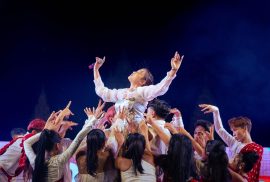
At the event, Vari performed BTS songs, including the powerful track “ON.” Her appearance was further elevated through collaborations with various performers, such as Key Dance Dynamic, The Seven Percussion, and the Belik drum group from Lombok. In addition to performing BTS songs, Vari also sang an original piece written by Bu Niken, one of the event’s initiators.

Her musical journey didn’t stop in Prambanan. Vari has independently released several original songs now available on digital music platforms like Spotify. Some of the songs the public can enjoy include “Right Time,” “Satu Cita,” “Kita Indonesia,” and “All On You.”

One of her proudest achievements came when she competed in the national song composition competition FLS2N (now FLS3N). Her song “Satu Cita” won first place at the Yogyakarta regional level and received a special award at the national level.

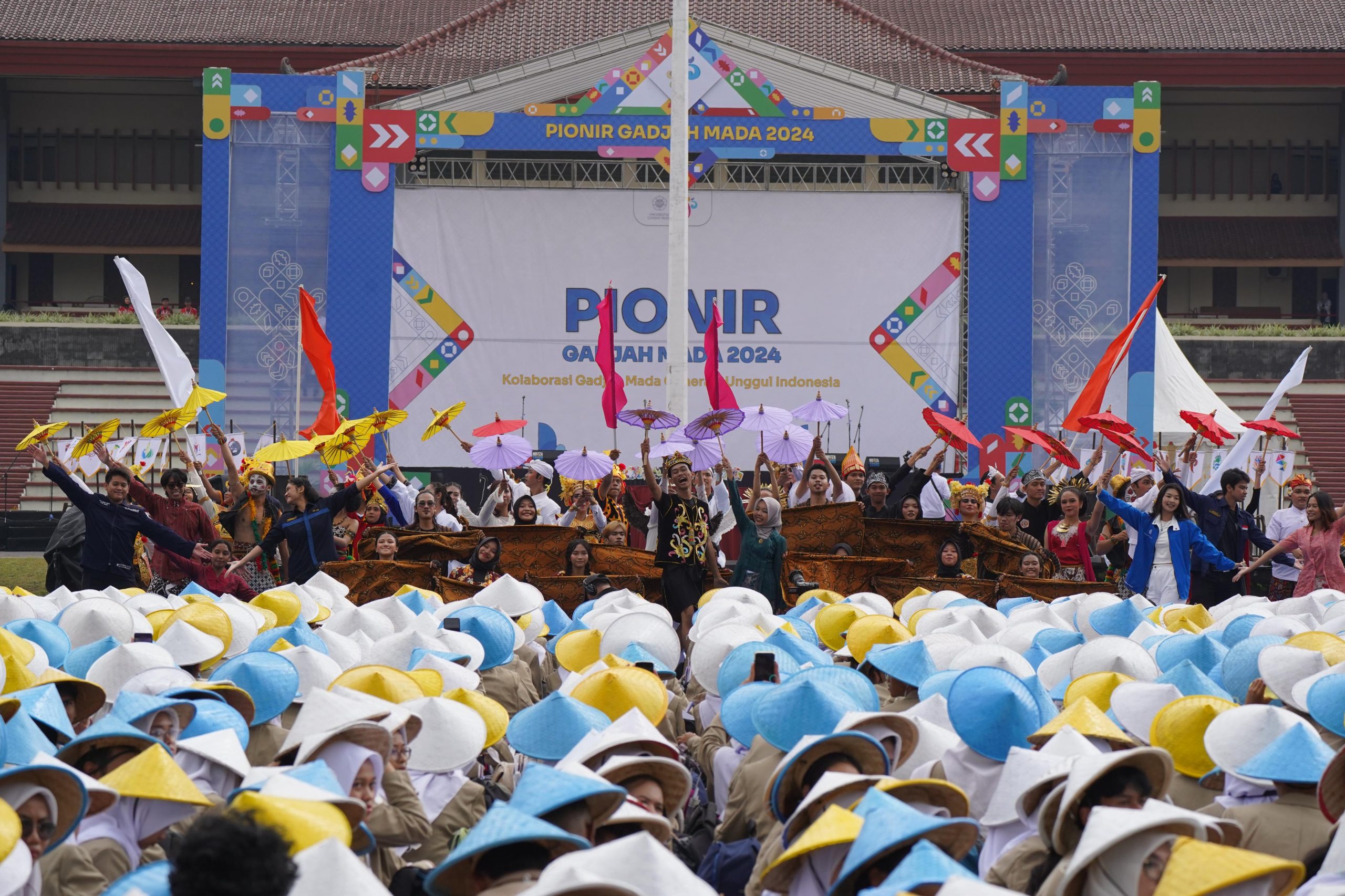
Vari also collaborated with local Yogyakarta musicians, including the band Langit Sore, through songs titled “Cinta Lainnya” and “Selamat Tinggal Sayang.” She also co-wrote “Kita Indonesia” with a fellow event division member named Cinta, which was specially composed and performed in a collaborative performance featuring various UGM student activity units during the Opening Ceremony of PIONIR Gadjah Mada 2024. This song holds a special place in her heart, as it was performed by more than 50 fellow UKM members and watched by over 10,000 participants of Gadjah Mada Muda 2024 at Pancasila Field, UGM.

Beyond music, Vari currently serves as the President of IMAJI (English Literature Student Association). She is also working on an album of original compositions and has recently begun exploring the world of filmmaking after being involved in a film production — a new creative field she is eager to develop further.

Despite her seemingly busy schedule, Vari believes youth is the best time to explore and try new things. “I just simply do the things that I love,” she said. Vari encourages her fellow students, especially those at FIB, to boldly try new experiences without being afraid of what others might think.

“Just go for the things you want to do. Don’t worry about what people say. While you’re still young and have the opportunity — why not?” — Vari

Vari’s story is a true reflection that being a university student does not mean you have to put your creativity on hold. With her exploratory spirit and fearless curiosity, she proves that limits only exist when we create them ourselves.

Her journey also embodies the spirit of the Sustainable Development Goals (SDGs), particularly in education, creativity, and innovation. By inspiring others to do the same, Vari champions the value of education in developing talent and creativity in the arts.

[FIB Public Relations, Alma Syahwalani]

1234…29

Video UGM

[shtmlslider name='shslider_options']
Universitas Gadjah Mada

Faculty of Cultural Sciences
Universitas Gadjah Mada
Jl. Nusantara 1, Bulaksumur Yogyakarta 55281, Indonesia
   fib@ugm.ac.id
   +62 (274) 513096
   +62 (274) 550451

Work Units

  • Office of Journal & Publishing
  • INCULS
  • Information Technology and Database
  • Language Learning Center
  • Library Unit
  • Public Relations
  • Research

Facilities

  • Computer Laboratory
  • Gamelan
  • Guest House
  • Language Library
  • Library
  • Phonetics Library
  • Self Access Unit
  • Student Internet Centre

Importan Links

  • Journal of Humaniora
  • Subscriber Journal
  • Alumni Portal
  • Career
  • Departmens News
  • UGM Streaming

Contacts

  • Academic
  • Administration
  • Dean’s Office
  • Departments / Study Programs
  • Public Relations

© 2024 Faculty of Cultural Sciences Universitas Gadjah Mada

KEBIJAKAN PRIVASI/PRIVACY POLICY

[EN] We use cookies to help our viewer get the best experience on our website. -- [ID] Kami menggunakan cookie untuk membantu pengunjung kami mendapatkan pengalaman terbaik di situs web kami.I Agree / Saya Setuju