• About UGM
  • Academic Portal
  • IT Center
  • Library
  • Research
  • Webmail
  • Informasi Publik
  • English
    • Indonesia
Universitas Gadjah Mada Faculty of Cultural Sciences
Universitas Gadjah Mada
  • Home
  • Profile
    • History
    • Vision and Mission
    • Organizational structure
    • Administration
    • Staff
    • Faculty Members
  • Academic
    • Academic Calendar
    • Undergraduate Programs
      • Bachelor of Cultural Antrophology
      • Bachelor in Archaeolagy
      • Bachelor in History
      • Bachelor in Tourism
      • Bochetor in Korean Language and Culture
      • Bachelor in Indonesian Language and Culture
      • Bachelor in English
      • Bachelor in Arabic
      • Bachelor in Japanese Language and Culture
      • Bachelor in Javanese Language, Literature and Culture
      • Bachelor in French language and literature
    • Graduate Programs
      • Master in Antrophology
      • Master in ArchaeoIogy
      • Master in History
      • Master in Linguistics
      • Master in Literature
      • Master In American Studies
      • Master in Middle Eastern Cultural Studies
    • Post-Graduate Programs / S3
      • Doctor in Antropology
      • Doctor in American Studies
      • Doctor in Humanities
    • Student Service
  • KPPM
    • Research Information
    • Scientific / Academic Publications
    • Community Service
    • International Cooperation
    • Domestic Cooperation
  • Student Organizations
    • Student Executive Council
    • Semi-Autonomous Organizations
      • KAPALASASTRA
      • Christian Student Alliance
      • LINCAK
      • Saskine
      • Catholic Student Family
      • Dian Budaya
      • Sastra Kanuragan (sasgan)
      • Family of Muslim Cultural Sciences Students (KMIB)
      • Bejo Mulyo
    • Autonomous Organizations
      • Family of Anthropology Students (KEMANT)
      • English Department Student Association
      • Tourism Students Association (HIMAPA)
      • Family of Indonesian Literature Students (KMSI)
      • West Asian Literature Student Association (IMABA)
      • Association of Korean-Language Students (HIMAHARA)
      • Family of Regional Indonesian Literatures Students (KAMASUTRA)
      • The Family Body of History Students (BKMS)
      • The French Literature Students Association (HMSP)
      • Family of Anthropology Students
      • Japanese Student Association (HIMAJE)
  • Admission
    • Student Evaluation
  • Home
  • SDGs 9: Industri inovasi dan infrastruktur
  • SDGs 9: Industri inovasi dan infrastruktur
  • page. 4
Arsip:

SDGs 9: Industri inovasi dan infrastruktur

MECRI KBTT FIB UGM Establishes Strategic Partnership with PPJKBA to Strengthen Journal Reputation

News Release Monday, 10 November 2025

As part of the 15th National Scientific Meeting on Arabic Language (PINBA) held on 6–8 August 2025, the Middle Eastern Culture and Religious Issues (MECRI) Journal, managed by the Master’s Programme in Middle Eastern Studies (KBTT) at the Faculty of Cultural Sciences, Gadjah Mada University, officially signed a Memorandum of Understanding with the Association of Arabic Studies Journal Managers (PPJKBA). The signing took place at the Ibn Rusyd Hall, Darunnajah University, South Jakarta, and was represented by Dr. Imam Wicaksono, Lc., M.A., as the main manager of MECRI.

MECRI has currently achieved Sinta 4 accreditation and successfully entered the EBSCO international index. This achievement reflects the ongoing dedication to making MECRI a reputable academic forum in the fields of cultural studies, multi-ethnicity, and religious heritage in the Middle East. However, the challenges ahead are to improve the accreditation rating to Sinta 2 or even Sinta 1, as well as to achieve the Scopus indexation target. To achieve these goals, it is necessary to strengthen the quality of journal management, ensure consistency in publications that meet international standards, and expand collaboration networks with strategic partners, both nationally and globally.

The existence of an internationally reputable journal is of strategic urgency for the Faculty of Cultural Sciences, UGM. In addition to being an important instrument in strengthening the university’s academic reputation and ranking, a reputable journal also serves as a gateway for cross-border research collaboration, a means of publishing the research results of the educational community, and proof of FIB’s commitment to contributing to the development of the humanities at the global level. For UGM, achieving international indexing for the journal signifies a significant step in strengthening its research portfolio, enhancing its visibility in the global academic network, and adding to its achievements that support UGM’s position as a world-class research university.

PPJKBA has a long track record in assisting journals to achieve national and international accreditation. Its organisational experience includes training in editorial management, improving the quality of manuscript editing, and facilitating networks of international reviewers and authors. This collaboration is expected to become a strong foundation for MECRI to strengthen its management quality, expand its visibility, and enhance its academic reputation at the global level.

The signing of this MoU is also a strategic step in line with the mission of the Faculty of Cultural Sciences UGM in strengthening its position as a centre for humanities studies that is superior and internationally renowned. Institutional support from FIB UGM will be an important driver for the optimal synergy between MECRI and PPJKBA, resulting in high-quality scientific publications and contributing to the development of knowledge in the field of Middle Eastern studies.

With this collaboration, MECRI is optimistic that it can expand the scope of its studies, strengthen the quality of published manuscripts, and establish connectivity with academics across countries. This collaboration is not only beneficial for improving the quality of the journal, but also serves as a vehicle for capacity building for managers and writers in the Master’s Program in KBTT and FIB UGM as a whole.

Author: Amanda Jesisca

UGM Arabic Students Develop Personal Branding through Digital Content Creation in the Tenth Entrepreneurship Class

News Release Friday, 7 November 2025

Yogyakarta, November 3, 2025 – The Arabic Study Program, Faculty of Cultural Sciences, Universitas Gadjah Mada, continued its tenth session of the Entrepreneurship course with the theme “Optimizing Digital Potential in Business Development.” This session built upon the previous meeting’s topic, focusing on the use of digital media for business promotion but with a more practical and creative approach through a review of student group assignments.

In this meeting, lecturer and guest speaker Reisa Nurma Boruregar, S.S., centered the discussion on reviewing students’ creative video projects that illustrated their personal five-year life plans. Through this assignment, students were encouraged to project their future goals—such as graduation targets, plans for pursuing a master’s degree, or professional career aspirations—and transform these ideas into engaging and innovative visual content.

The assignment aimed to train students in building personal branding and self-promotion through digital media, aligning with the current professional landscape that values online presence and digital identity. Each group presented their video projects in class and received direct feedback from Reisa and their peers on aspects such as visual presentation, narrative flow, and communication strategy.

Through this tenth session, Arabic Literature students gained deeper insights into digital promotion strategies while applying them in a personal and reflective context. This project-based learning approach also demonstrated that the Entrepreneurship course in Arabic Literature UGM goes beyond theory, emphasizing hands-on creativity and digital literacy as essential skills for modern graduates.

The course also contributes to the advancement of the Sustainable Development Goals (SDGs), particularly SDG 4 (Quality Education) by fostering practical, 21st-century skill-based learning; SDG 8 (Decent Work and Economic Growth) by preparing students to thrive in creative and digital industries; and SDG 9 (Industry, Innovation, and Infrastructure) by promoting the use of technology and innovation in sustainable self-development and entrepreneurship.

[Arabic Literature, Muhammad Ardiansyah]

Arabic Study Program UGM Students Learn Digital Promotion Strategies in the Ninth Entrepreneurship Class

News Release Thursday, 30 October 2025

Yogyakarta, October 27, 2025 – The Arabic Study Program, Faculty of Cultural Sciences, Universitas Gadjah Mada, continued its Entrepreneurship course series with the ninth session, featuring an inspiring guest speaker, Reisa Nurma Boruregar, S.S., a young entrepreneur, digital marketing practitioner, and proud alumni of the study program. In this session, Reisa delivered a lecture titled “Developing Entrepreneurship through Digital Promotion,” which focused on strategies for marketing, branding, and leveraging digital media to build sustainable businesses.

Reisa began the lecture by sharing her personal journey of starting a business from scratch, from selling products through BlackBerry Messenger to managing multiple ventures such as ReisaGarage, Jogja Nasi Bento, and Layana Indonesia. She emphasized the importance of adaptability to changes in social media algorithms and digital trends. According to her, one of the most common mistakes entrepreneurs make is their reluctance to evolve with technology and digital advertising trends, even though these are crucial to maintaining business relevance in today’s market.

Students were guided to understand how to choose the right sales platforms, identify target markets, and find products and suppliers aligned with consumer demand. Reisa also introduced various digital tools that can be used for market research, identifying trending products, and analyzing high-performing content on platforms such as TikTok and Shopee.

The session also explored effective digital marketing strategies, both paid and unpaid. Reisa explained that paid promotions could include collaborative content (collab posts), endorsements, affiliate marketing systems, and paid digital advertisements. Meanwhile, unpaid promotions could be optimized through organic content that is relatable, entertaining, inspiring, informative, visually engaging, and encourages audience interaction.

In addition to promotional strategies, Reisa also discussed the importance of setting realistic pricing structures based on production, operational, tax, commission, and profit margin considerations. Students were encouraged to think strategically about pricing and sales targets to achieve sustainable business growth.

Through this session, Arabic Study Program students not only learned about digital marketing techniques but also discovered how creativity and digital literacy can be transformed into tangible economic strength.

This course actively supports the achievement of the Sustainable Development Goals (SDGs), particularly SDG 4 (Quality Education) by providing practical entrepreneurial education, SDG 8 (Decent Work and Economic Growth) by fostering tech-savvy young entrepreneurs, and SDG 9 (Industry, Innovation, and Infrastructure) through the application of digital innovation in developing competitive and sustainable business models.

[Arabic Literature, Muhammad Ardiansyah]

Alihwahana Workshop “From Paper to Stage”: Reviving Javanese-Islamic Epics through Performing Arts

News Release Wednesday, 29 October 2025

Yogyakarta, October 29, 2025 — The Study Program of Javanese Language, Literature, and Culture, Faculty of Cultural Sciences, Universitas Gadjah Mada (FIB UGM), held an event titled “From Paper to Stage: Alihwahana Workshop on Javanese-Islamic Epics from Literary Texts to Performance.” The workshop served as a learning platform for students to practice the process of alihwahana—the transformation of literary texts into creative and communicative performing arts.

The event opened with I Made Christian Wiranata Rediana as the master of ceremonies, who began the program with a joint prayer for its smooth running. The workshop then continued with an opening remark by Head of the Javanese Language, Literature, and Culture Study Program, Daru Winarti, M.Hum. In her speech, Daru expressed hope that this activity would serve as a space for students to enhance their artistic abilities while realizing that literary texts hold great potential to be brought to life on stage.

The workshop featured several experienced speakers in the fields of art and culture, including Kusnanta Riwus Ginanjar, S.Sn. (actor, playwright, director, and puppeteer of Wayang Golek Menak), Rinal Khaidar Ali, ST., M.Eng. (activist of Wayang Golek Menak), and Dr. Drs. Sudibyo, M.Hum. (Head of the Department of Language and Literature, FIB UGM). The event was moderated by Dr. Rudy Wiratama, lecturer at the Javanese Language, Literature, and Culture Study Program.

In his presentation, Kusnanta Riwus Ginanjar explained the four main characteristics of art, which he considers the foundation of creative processes: seni, senengan, seneb, and serem.

“Art brings joy and entertainment. However, art is also subjective (senengan), can evoke tragedy or fear (seneb), and has a side that can both enlighten and mislead (serem),” he explained.

Kusnanta emphasized that his experiences in theater, puppetry, and film have shaped his understanding of the meaning of alihwahana. According to him, ancient manuscripts should not remain locked away in archives but instead be revived and shared with the public through performing arts such as wayang kulit, wayang golek, or theater.

He further added that the process of alihwahana is not limited to classical manuscripts but can also be applied to modern literary works such as novels or stories. Through such adaptation, students are encouraged to broaden their perspectives on literature as a living source of cultural expression.

The “From Paper to Stage” Workshop was not only a platform for sharing artistic knowledge but also a reflection of FIB UGM’s academic commitment to promoting inclusive and quality education in line with the principles of the Sustainable Development Goals (SDGs). Through this activity, students were trained to think creatively, work collaboratively, and develop awareness of the importance of cultural preservation in the context of sustainability. The effort to bring Javanese manuscripts to life through performing arts represents a tangible implementation of humanistic education that values sustainability, creativity, and local wisdom.

In addition to enriching students’ learning experiences, this workshop also embodies the spirit of preserving local cultural continuity as part of sustainable community development. The synergy between art and education in this activity illustrates how the treasures of Javanese literature can remain relevant in modern society while strengthening Indonesia’s cultural identity—rooted in tradition yet open to innovation.

[Public Relations of FIB UGM, Alma Syahwalani]
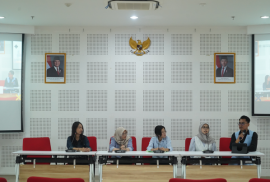
Head of History Study Program FIB UGM Officially Opens History Week 2025: Highlighting the Theme “Industry in the Flow of History”

HEADLINESNews Release Monday, 27 October 2025

Yogyakarta, October 22, 2025 — The Head of the History Study Program, Faculty of Cultural Sciences, Universitas Gadjah Mada (FIB UGM), Dr. Mutiah Amini, M.Hum, officially opened the History Week 2025, which carries the theme “Industry in the Flow of History.” The opening ceremony took place at the Auditorium of Soegondo Building, 7th Floor, on Wednesday (22/10), attended by students from the Faculty of Cultural Sciences as well as representatives from various student organizations within and beyond FIB UGM.

History Week is an annual event organized by the Undergraduate History Study Program of FIB UGM as part of its efforts to enhance historical learning through both academic and non-academic approaches. The program serves as a platform for students to broaden their insights, channel their creativity, and foster awareness of historical and social issues relevant to today’s society.

The implementation of History Week 2025 is the result of collaboration and initiative by the Badan Keluarga Mahasiswa Sejarah (BKMS), the student association that oversees various activities of History students within FIB UGM. As one of BKMS’s largest programs, this event is not only intended for students of the History Study Program but is also open to the public, including academics from various universities across Indonesia. Through this event, students are encouraged to actively participate in developing historical studies oriented toward contemporary issues.

One of the main series of activities in History Week 2025 is the National Student History Seminar (SSMN), which adopts the overarching theme “Industry in the Flow of Indonesian History.” The seminar is designed to provide opportunities for students from diverse disciplines who have an interest in history to develop their academic writing and discussion skills. Several selected students will present their papers directly before the seminar participants in two panel sessions. Prior to these presentations, the event will begin with an introductory lecture delivered by a keynote speaker who is an expert in industrial history.

The discussions in this seminar cover a wide range of important topics related to the development of industry in Indonesia, including the historical evolution of industry, the dynamics of local industries, the impacts of industrialization on the environment and society, the history of social movements within industry, as well as the roles of local economic figures and women in the industrialization process. Through a historical perspective, this event seeks to foster a deeper understanding of how industry has become an integral part of Indonesia’s social, economic, and cultural development.

Overall, History Week 2025 aims to encourage students to understand industrial issues from a historical perspective while raising awareness of the importance of studying national industrial history as a key to comprehending today’s industrial dynamics. Moreover, the event aligns with the Sustainable Development Goals (SDGs), particularly Goal 4 (Quality Education) through the strengthening of historical literacy and academic research, Goal 8 (Decent Work and Economic Growth) by exploring the historical development of the industrial sector, and Goal 9 (Industry, Innovation, and Infrastructure) which emphasizes the importance of history as the foundation for future innovation and development. Thus, History Week 2025 stands not only as an academic platform but also as a tangible contribution from UGM History students to the global agenda of sustainable development.

[Public Relations of FIB UGM, Candra Solihin]

123456

Video UGM

[shtmlslider name='shslider_options']
Universitas Gadjah Mada

Faculty of Cultural Sciences
Universitas Gadjah Mada
Jl. Nusantara 1, Bulaksumur Yogyakarta 55281, Indonesia
   fib@ugm.ac.id
   +62 (274) 513096
   +62 (274) 550451

Work Units

  • Office of Journal & Publishing
  • INCULS
  • Information Technology and Database
  • Language Learning Center
  • Library Unit
  • Public Relations
  • Research

Facilities

  • Computer Laboratory
  • Gamelan
  • Guest House
  • Language Library
  • Library
  • Phonetics Library
  • Self Access Unit
  • Student Internet Centre

Importan Links

  • Journal of Humaniora
  • Subscriber Journal
  • Alumni Portal
  • Career
  • Departmens News
  • UGM Streaming

Contacts

  • Academic
  • Administration
  • Dean’s Office
  • Departments / Study Programs
  • Public Relations

© 2024 Faculty of Cultural Sciences Universitas Gadjah Mada

KEBIJAKAN PRIVASI/PRIVACY POLICY

[EN] We use cookies to help our viewer get the best experience on our website. -- [ID] Kami menggunakan cookie untuk membantu pengunjung kami mendapatkan pengalaman terbaik di situs web kami.I Agree / Saya Setuju