• About UGM
  • Academic Portal
  • IT Center
  • Library
  • Research
  • Webmail
  • Informasi Publik
  • English
    • Indonesia
Universitas Gadjah Mada Faculty of Cultural Sciences
Universitas Gadjah Mada
  • Home
  • Profile
    • History
    • Vision and Mission
    • Organizational structure
    • Administration
    • Staff
    • Faculty Members
  • Academic
    • Academic Calendar
    • Undergraduate Programs
      • Bachelor of Cultural Antrophology
      • Bachelor in Archaeolagy
      • Bachelor in History
      • Bachelor in Tourism
      • Bochetor in Korean Language and Culture
      • Bachelor in Indonesian Language and Culture
      • Bachelor in English
      • Bachelor in Arabic
      • Bachelor in Japanese Language and Culture
      • Bachelor in Javanese Language, Literature and Culture
      • Bachelor in French language and literature
    • Graduate Programs
      • Master in Antrophology
      • Master in ArchaeoIogy
      • Master in History
      • Master in Linguistics
      • Master in Literature
      • Master In American Studies
      • Master in Middle Eastern Cultural Studies
    • Post-Graduate Programs / S3
      • Doctor in Antropology
      • Doctor in American Studies
      • Doctor in Humanities
    • Student Service
  • KPPM
    • Research Information
    • Scientific / Academic Publications
    • Community Service
    • International Cooperation
    • Domestic Cooperation
  • Student Organizations
    • Student Executive Council
    • Semi-Autonomous Organizations
      • KAPALASASTRA
      • Christian Student Alliance
      • LINCAK
      • Saskine
      • Catholic Student Family
      • Dian Budaya
      • Sastra Kanuragan (sasgan)
      • Family of Muslim Cultural Sciences Students (KMIB)
      • Bejo Mulyo
    • Autonomous Organizations
      • Family of Anthropology Students (KEMANT)
      • English Department Student Association
      • Tourism Students Association (HIMAPA)
      • Family of Indonesian Literature Students (KMSI)
      • West Asian Literature Student Association (IMABA)
      • Association of Korean-Language Students (HIMAHARA)
      • Family of Regional Indonesian Literatures Students (KAMASUTRA)
      • The Family Body of History Students (BKMS)
      • The French Literature Students Association (HMSP)
      • Family of Anthropology Students
      • Japanese Student Association (HIMAJE)
  • Admission
    • Student Evaluation
  • Home
  • SDGs 10 Mengurangi Ketimpangan
  • SDGs 10 Mengurangi Ketimpangan
  • page. 2
Arsip:

SDGs 10 Mengurangi Ketimpangan

Participation of Women in Renewable Energy (POWERE): The Role of Anthropology in Supporting Renewable Energy from Indonesia’s Coastal Regions

News Release Tuesday, 9 December 2025

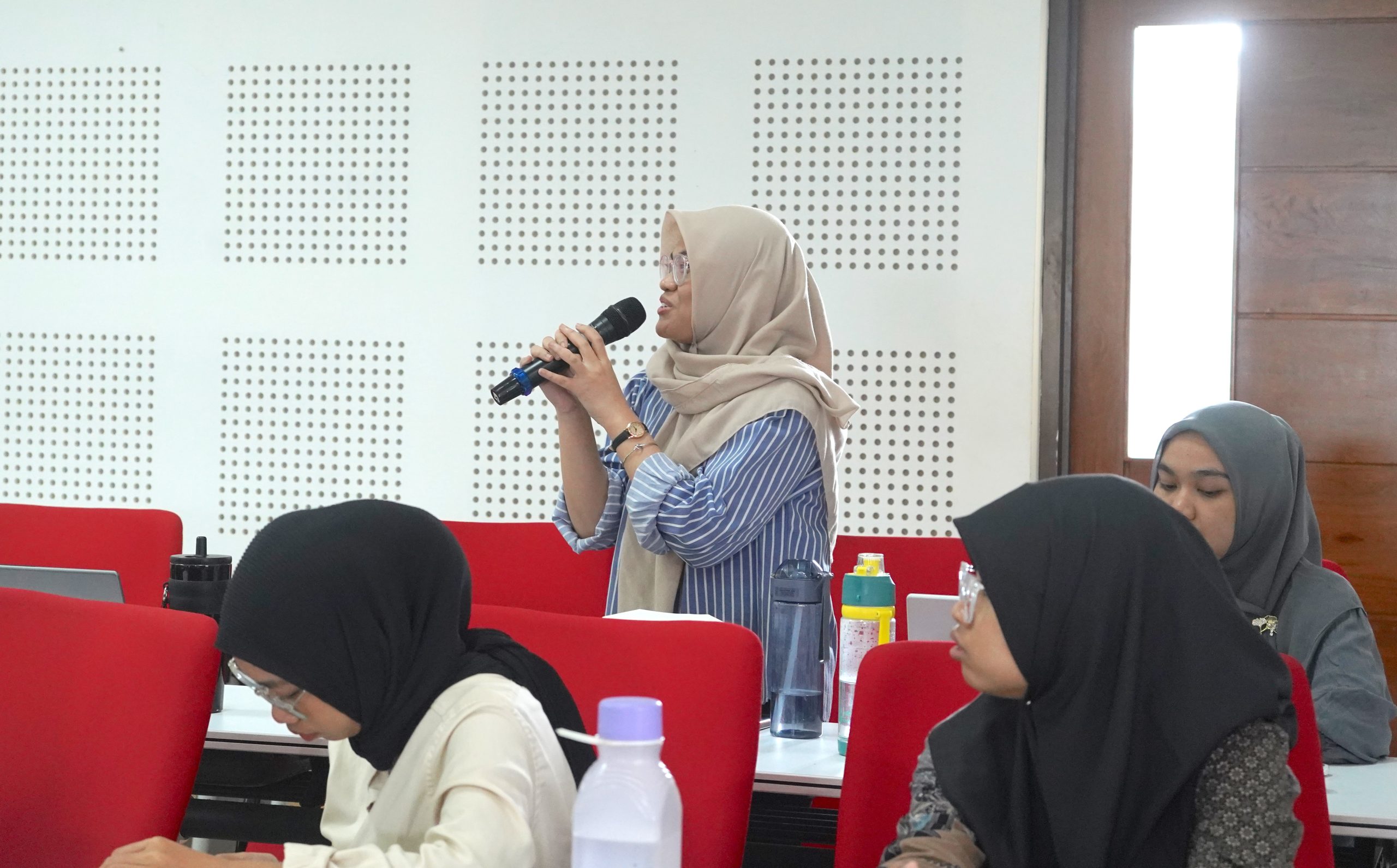
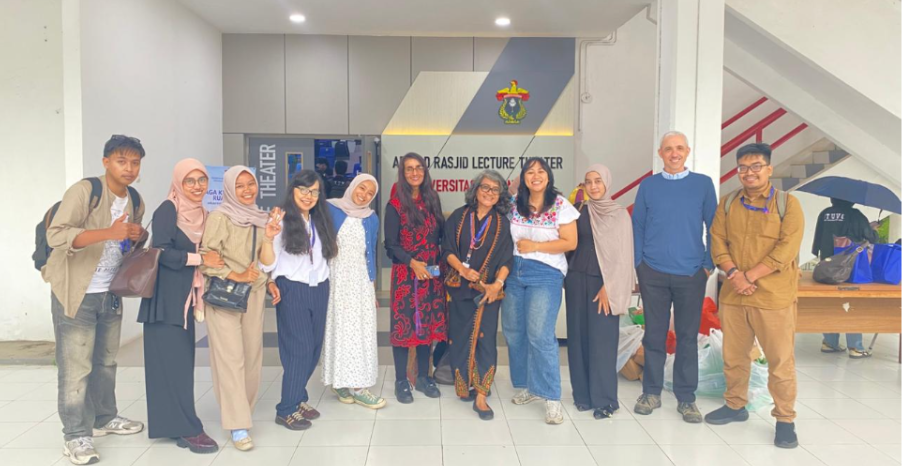
The Anthropology Laboratory for Research and Action (LAURA) represents Universitas Gadjah Mada in the Participation of Women in Renewable Energy (POWERE) project. This initiative is funded by the UKRI Ayrton Challenge and involves several universities, including the University of Sussex, Universitas Indonesia, and Universitas Gadjah Mada. POWERE addresses issues of unequal access and the impacts of climate change in island and coastal communities. It introduces innovation through the use of floating photovoltaic systems (FPV) as an alternative renewable energy source, while also emphasizing gender perspectives and economic conditions in off-grid coastal communities. The project is not only focused on developing physical infrastructure but also building social infrastructure by strengthening gender inclusivity in the seaweed-based economy across coastal and island areas in South Sulawesi. Led by Prof. Raminder Kaur (US), Dr. Muhammad Zamzam Fauzanafi (UGM), Dr. Mia Siscawati (UI), Dr. Bradley Parrish (US), and Prof. Peter Newell (US), POWERE stands as a comprehensive multidisciplinary collaboration centered on renewable energy.

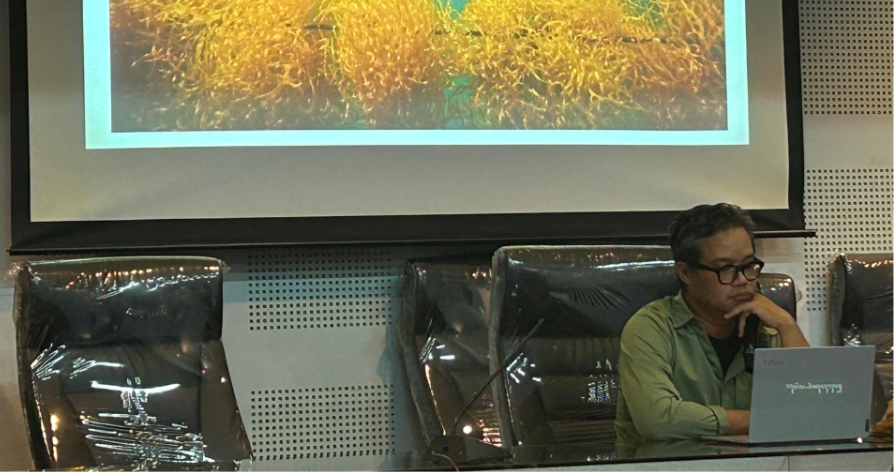
Since mid-year, the POWERE team has conducted preliminary studies in several locations, including Rannu, Katingting, and Biawasa, and presented the findings at the World Conference on Governance and Social Sciences at Hasanuddin University on 11–12 November 2025. The initial studies explored topics such as community-based infrastructure design, sensory ethnography, feminist perspectives on gender, climate change, and women’s resilience, renewable energy and social infrastructure, as well as climate adaptation challenges faced by seaweed-farming women. The broad range of issues emerging from solar energy development and its social implications continues to pose challenges for the project moving forward.

In addition to the Project Leads, the initiative involves postdoctoral researchers such as Dr. Diah Irawaty, Dr. Runavia Mulyasari, Dr. Chu Chun Yu, Dr. Agung Iswadi, and Monika Swastyastu, M.A., who contribute to ongoing research throughout the project. POWERE receives support from both governmental and non-governmental organizations, including CARE Indonesia, Aquatera, Development Finance International, Auroville Consulting, and the Ministry of Marine Affairs and Fisheries of the Republic of Indonesia, serving as financial partners and policy collaborators. Entering the first stage of the three-year program, the POWERE team has published newsletters in both Indonesian and English, accessible through the University of Sussex website and the Department of Anthropology. For the latest updates, readers may follow the official Instagram account @powere.women, which regularly shares photos and videos documenting project activities.

Writer: Okky Chandra Baskoro

FIB UGM Graduates 91 Bachelor Degree Students in the November 2025 Ceremony

News Release Thursday, 27 November 2025

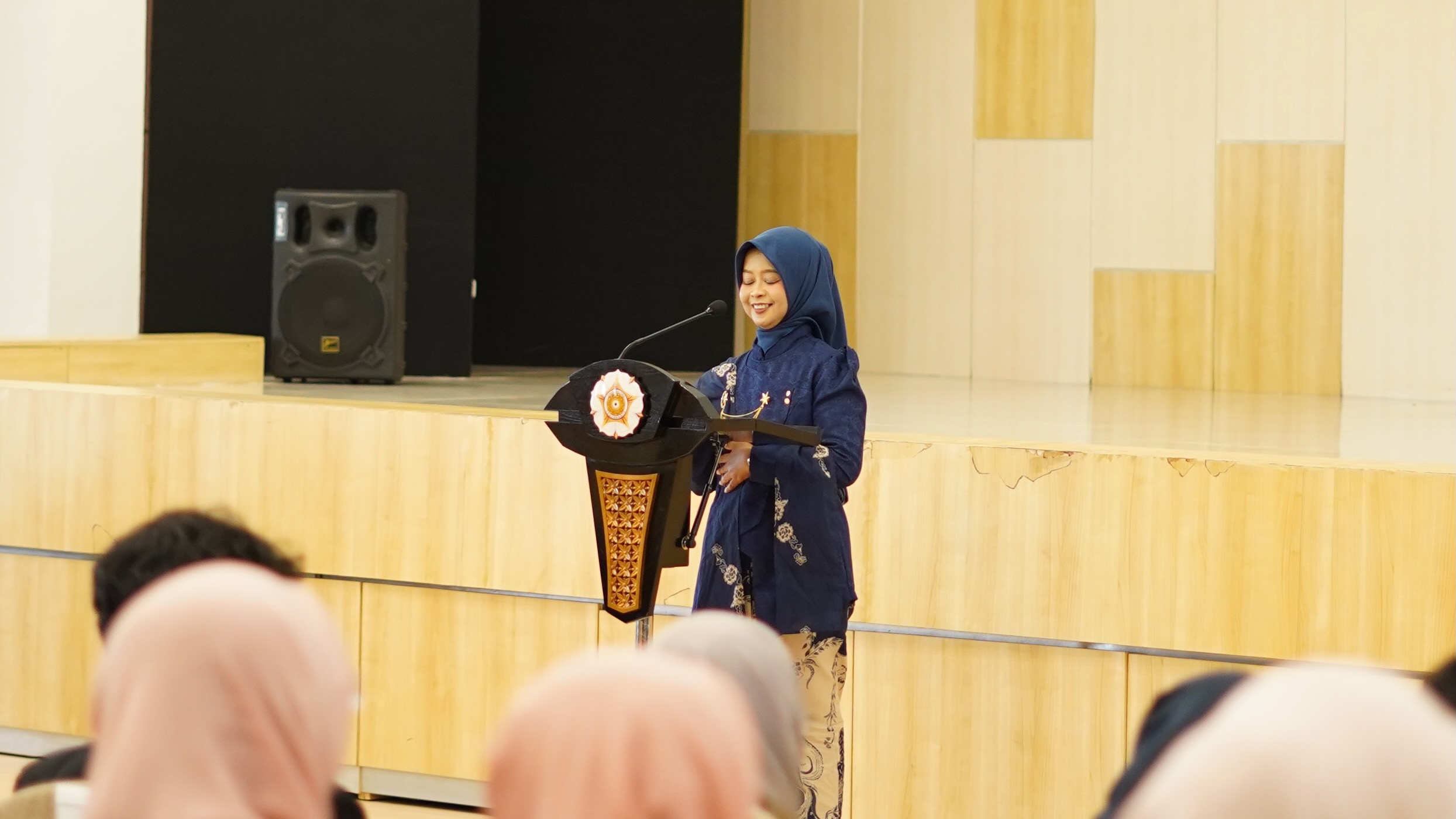
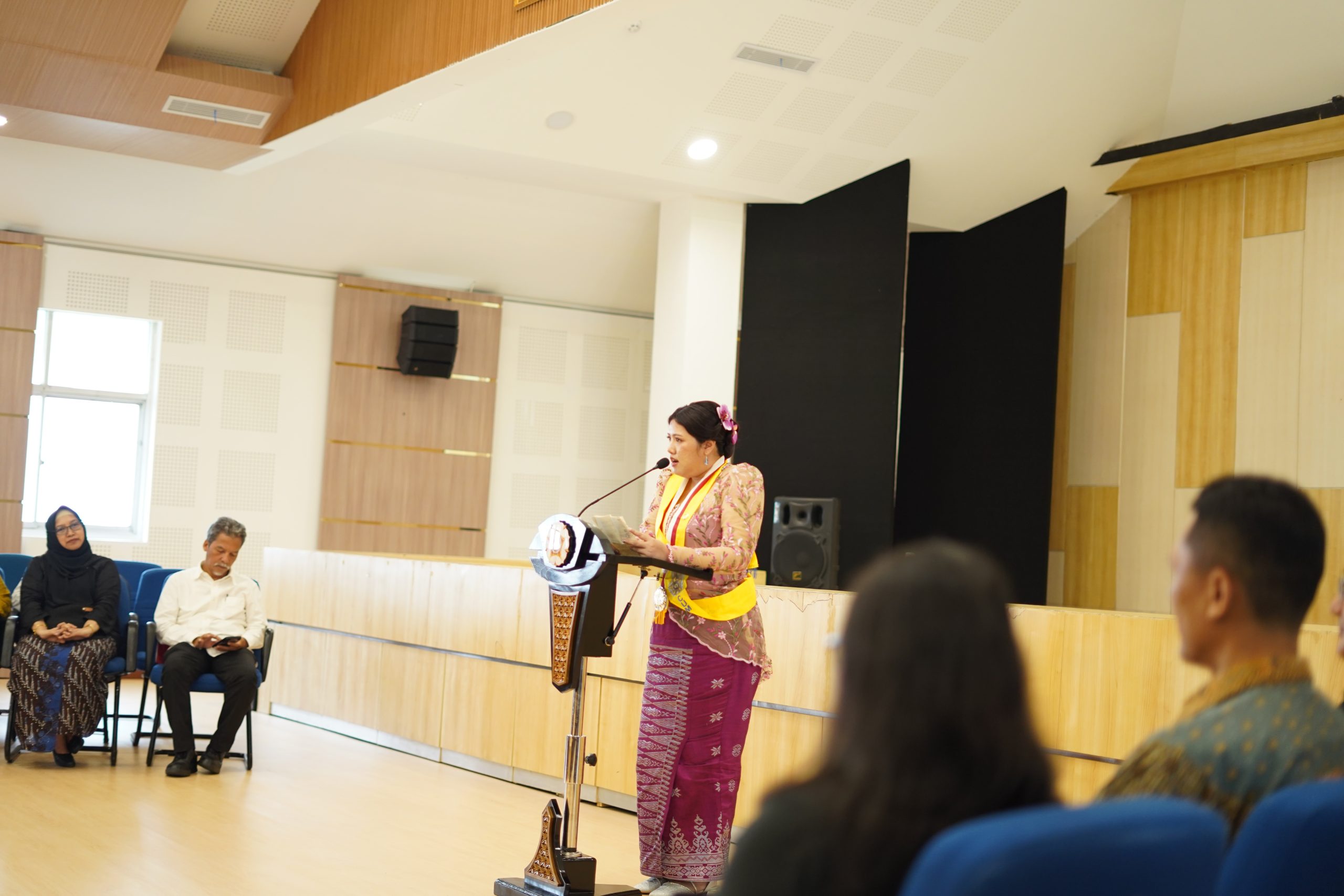
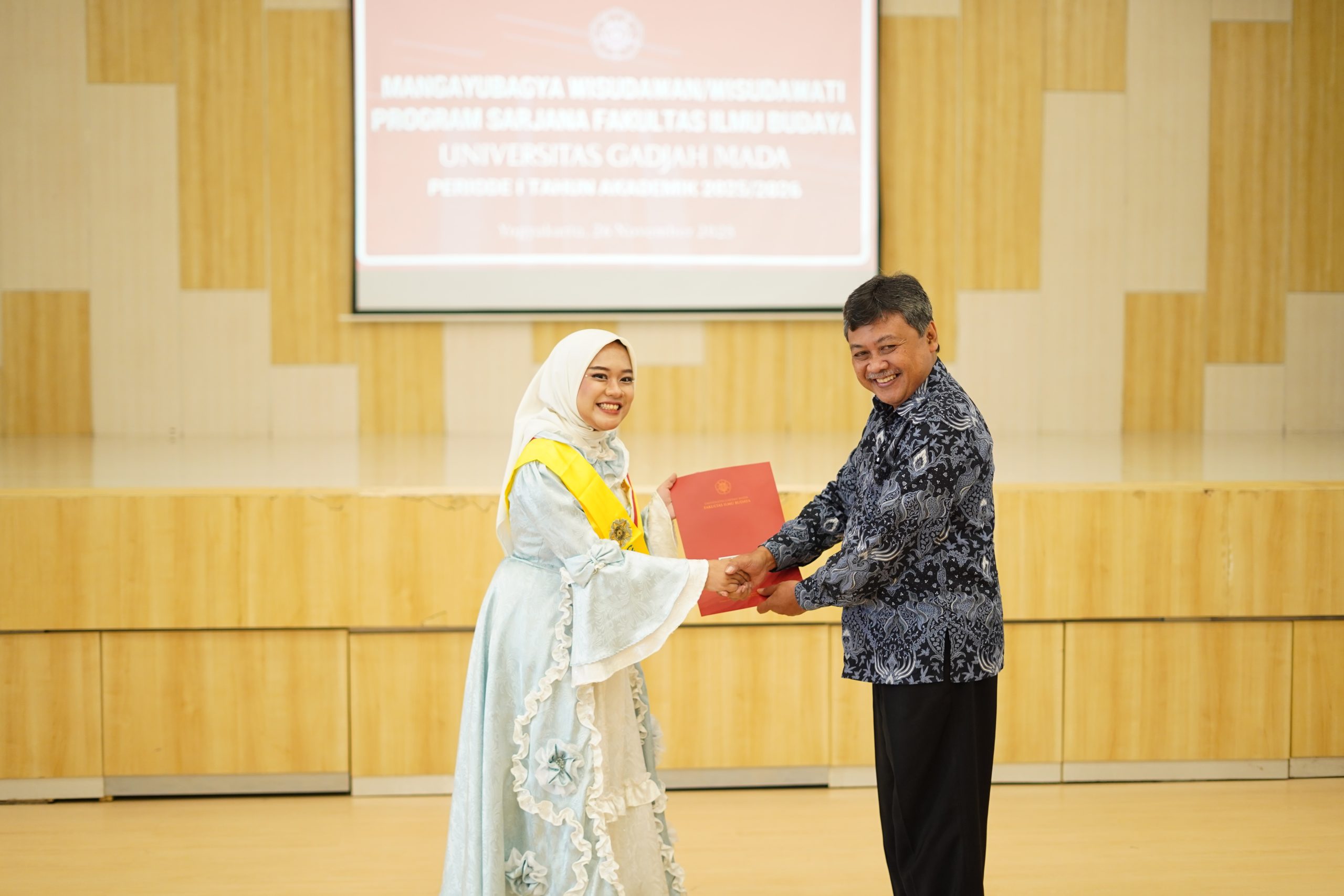
Yogyakarta, November 26, 2025 – The Faculty of Cultural Sciences at Universitas Gadjah Mada officially graduated 91 Bachelor Degree students in the First Graduation Period of the 2025/2026 Academic Year, held on November 26, 2025 at the Poerbatjaraka Auditorium, FIB UGM. The ceremony was attended by graduates from 11 study programs, as well as one graduate from a previous period who joined the procession this time.

The graduation ceremony took place solemnly and included the presentation of academic achievements and messages for the graduates. Based on faculty data, the cohort consists of 25 male graduates and 66 female graduates. Cultural Anthropology marked the highest number of graduates with 21 students, followed by English Literature with 13 graduates, and Indonesian Language and Literature and Tourism with 11 graduates each. A total of 73 graduates earned the distinction of cum laude.

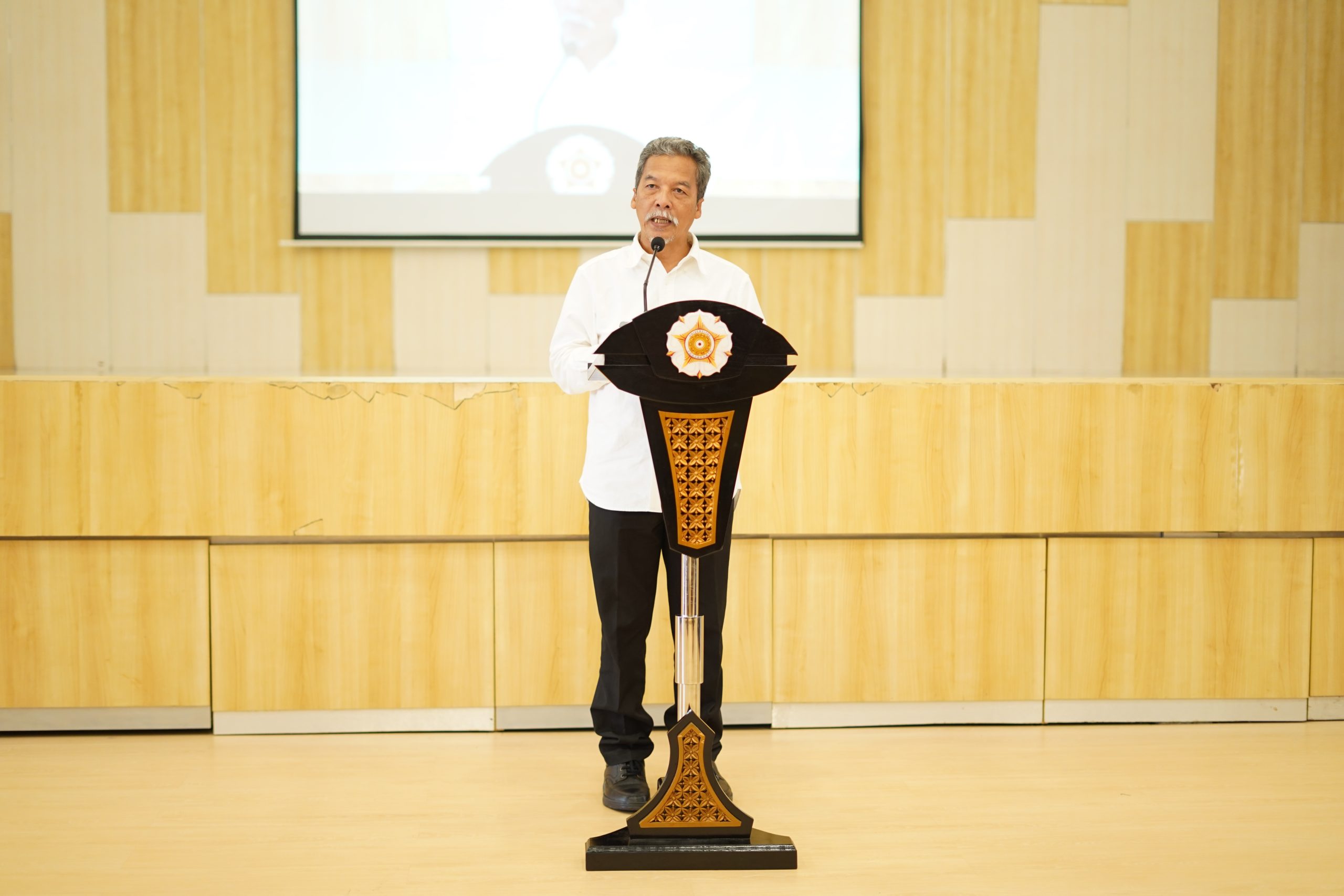
In his remarks, the Dean of FIB UGM emphasized the faculty’s commitment to strengthening academic contributions. “FIB contributes around seven areas of study recognized by QS out of 27 at UGM. This is our goal in strengthening FIB, not only by focusing on one or two individuals, but by building a shared spirit, a spirit of synergy in advancing knowledge,” stated the Dean of FIB UGM.

In addition, a representative of the graduates’ parents delivered a message encouraging students to view graduation as the beginning of a long journey. “Continue learning and seeking knowledge because graduation is not the end, but the beginning of your long journey. Be a person who brings benefit, because the best human being is the one who brings the most benefit to others. Use your knowledge to bring light not only to yourselves, but also to your families, communities, the nation, and the world. Hold firmly to character, for it is the key foundation in earning public trust,” she said.

The representative of the top graduates, Catharina Maida from the French Language and Literature Program with a GPA of 3.91, also expressed gratitude and optimism for the future. “Our challenges are still long ahead. There will be many more obstacles in life,” she said.

During the event, the faculty also released other academic achievements, including the fastest study completion and graduate age statistics. Maritza Vidyatsabita from the English Literature Program completed her studies in the shortest time of 3 years, 2 months, and 5 days. Meanwhile, the youngest graduate is Bulan Churniati from English Literature, aged 21 years, 1 month, and 10 days.

This graduation ceremony not only marks the completion of the students’ academic journey, but also the beginning of their contribution to the progress of society. The values of knowledge, collaboration, and character highlighted throughout the ceremony are expected to guide the graduates in building a more sustainable future and bringing meaningful benefits to the wider community.

[Public Relations of FIB UGM, Candra Solihin]
Students of Listening and Speaking III Join a Q&A Session on Debate with a National Champion

News Release Monday, 17 November 2025

Yogyakarta, October, 15, 2025 – Students of Class A in the Listening and Speaking III course participated in an activity titled “Debate Competition: Q&A with the Champion” as part of efforts to broaden their learning experience. The session provided students with an opportunity to gain deeper insights into Korean-language debating and the dynamics of competition preparation from an experienced speaker.

The course instructor, Alfiana Amrin Rosyadi, S.S., M.A, invited Sindy Novi Nurjanah, the First-Place Winner of the 2021 Korean Debate Competition and an alumna of the 2018 cohort, who is currently pursuing a master’s degree in Teaching Korean as a Foreign Language at Kyunghee University. The online session enabled students to directly interact with Sindy despite geographical distance, opening space for discussion on Korean debating techniques and strategies for preparing for such competitions.

Sindy shared her impressions of engaging with the students of the Korean Department at UGM. She expressed that although the session was conducted online, the students’ enthusiasm was evident through their active questions and attentive participation. She hoped that the experiences and perspectives she shared would support the students in their learning process and as they encounter new opportunities in the future.

She also encouraged students not to hesitate in taking on challenges, including participating in competitions or exploring new opportunities that can expand their horizons. According to her, having the courage to dream and maintaining confidence in one’s abilities are essential first steps. “As long as we believe in ourselves and keep trying, there will always be a way to achieve our goals,” she said.

Through this activity, students are expected not only to understand debating techniques but also to feel more motivated to develop their skills, broaden their perspectives, and cultivate sustainable learning habits. Activities like this serve as a reminder that opportunities for growth often emerge from simple encounters that provide new inspiration and motivation.

[Antrophology, Eunike Serafia N.S]

Dini Maulia’s Doctoral Dissertation Explores Negation Systems in Japanese and Indonesian

News ReleaseSDGs 10: Mengurangi KetimpanganSDGs 4: Quality Education Wednesday, 10 September 2025

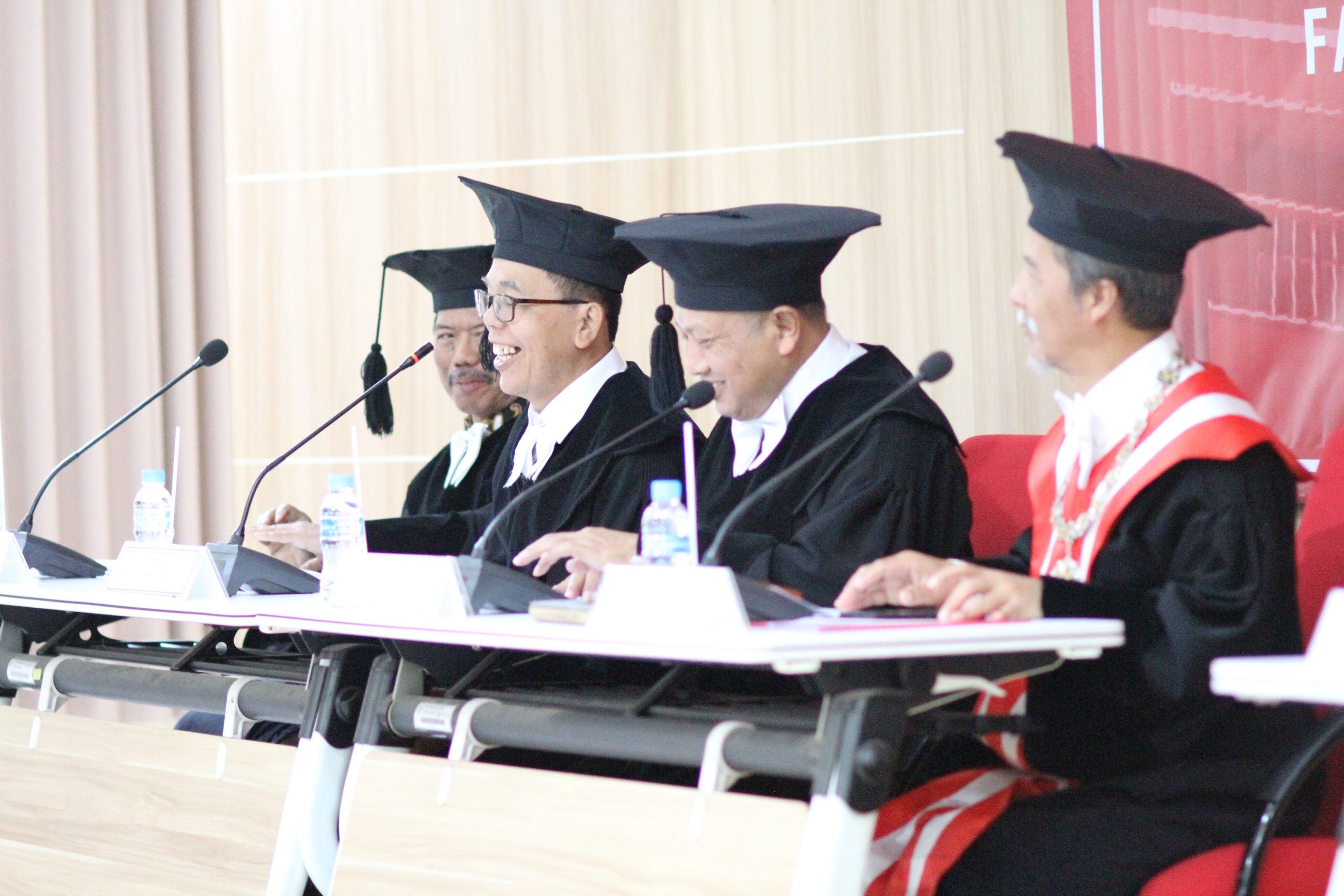
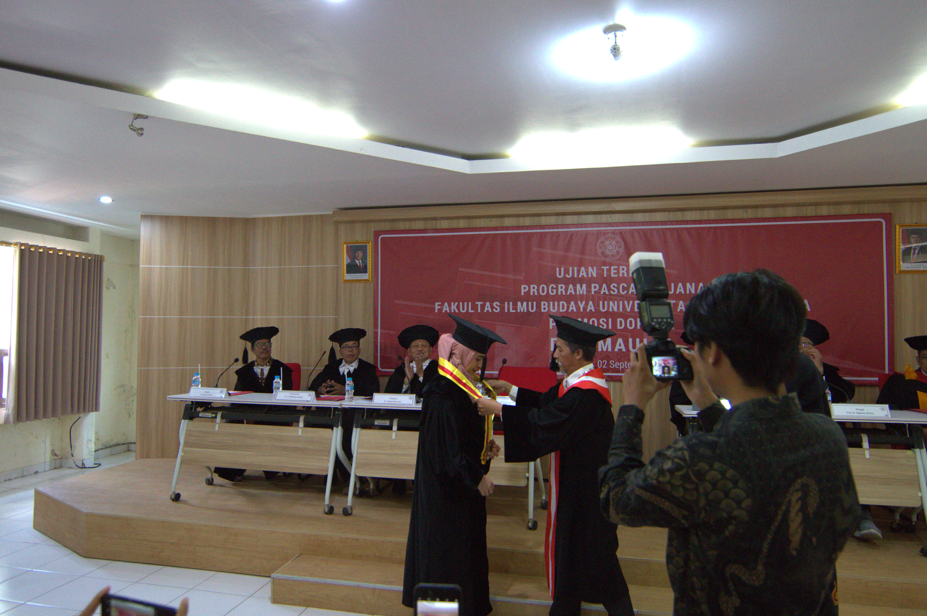
Yogyakarta, September 10, 2025 – The Faculty of Cultural Sciences, Universitas Gadjah Mada (FIB UGM), has once again produced significant research in the field of linguistics. Dini Maulia, a doctoral student in Linguistics under the Graduate Program of Humanities, successfully defended her dissertation entitled “A Contrastive Analysis of Negation in Japanese and Indonesian.”

In her dissertation, Dini was supervised by Dr. Tatang Hariri, M.A. as the main advisor, and Dr. Y. Tri Mastoyo, M.Hum. as the co-advisor. The study aimed to compare the negation systems in Japanese and Indonesian using a theoretical contrastive analysis framework, drawing on the works of Fisiak (1980), Ke (2019), Krzeszowski (1990), and Zabrocki (1980).

The findings revealed that negation markers can be classified into two types: affixal negation and sentential negation. Furthermore, based on X-bar theory, it was found that affixal negation in both Japanese and Indonesian occupies the modifier node that describes a noun.

Through contrastive analysis, the study also identified four main factors influencing the similarities and differences in the negation systems of the two languages, namely:

  1. Negation as a universal grammatical feature,

  2. Language typology,

  3. Categories of sentential negation, and

  4. Tense systems.

This research not only contributes to theoretical linguistic studies but also aligns with the goals of the Sustainable Development Goals (SDGs), particularly SDG 4 (Quality Education), through the advancement of cross-cultural linguistic knowledge, and SDG 10 (Reduced Inequalities), by fostering intercultural and interlingual understanding.

With these findings, the study is expected to build a more comprehensive model of contrastive language analysis, enriching linguistic scholarship while strengthening UGM’s role in producing world-class academics.

[Public Relations Office, FIB UGM – Alma Syahwalani]

UGM Students Preserves Javanese Script Through the “P4 Carakan” KKN-PPM Program

News ReleaseSDGs 10: Mengurangi KetimpanganSDGs 11: Sustainable cities and communitiesSDGs 17: Partnerships for the GoalsSDGs 4: Pendidikan Berkualitas Tuesday, 9 September 2025

Yogyakarta, September, 9, 2025 – Gadjah Mada University (UGM) is once again implementing the Community Empowerment Field Study Program (KKN-PPM), a student service program that is both an academic tradition and a form of social responsibility for universities towards the community. The 50-day program, running from June 20 to August 8, 2025, places students in various regions to interact with the community, identify needs, and provide creative, science-based solutions. Among the many programs initiated by students, one that stands out is P4 Carakan (Introduction, Learning, Training, and Application of Carakan), a concrete effort to preserve and promote Javanese script in Pacitan Regency, East Java.

This program was conceived by Dhiny Maulina Mahanani, a student of the Javanese Language, Literature, and Culture Study Program, and implemented at Madrasah Ibtidaiyah Negeri (MIN) 2 Pacitan, Bungur Village, Tulakan District, Pacitan Regency, East Java.

Dhiny explained that the background of this program stems from the low interest of students in learning local content, especially Javanese script, which is often considered complicated. Therefore, he developed a more interactive and enjoyable learning method. The activity began with the screening of an animated video about the history of Javanese script, followed by an introduction to the basics of Carakan, its rules of use, and an interactive quiz with prizes to encourage students to express their opinions. This resulted in increased enthusiasm among students, as evidenced by their active participation and various questions.

“The goal of this program is to dispel the notion that learning Javanese script is difficult, while also increasing young people’s interest in local knowledge. This is part of a real effort to preserve Javanese culture,” said Dhiny in an online interview on September 30, 2025.

Initially, the program was planned to be targeted only at third-grade students. However, thanks to the support of the school, the teaching target was expanded to include all students in grades 1-6, with a total of 109 participants. This situation presented its own challenges in implementing the program.

Despite facing challenges in managing a large number of students, Dhiny admitted that interactive methods helped her maintain the participants’ focus and enthusiasm. Support from the school was also key to the success of this program. “I am proud and happy to be able to share my knowledge and successfully attract students to learn about local knowledge. I am also touched because all the teachers and students have noticed a change in the students’ enthusiasm for learning,” she added.

The presence of the P4 Carakan program is an example of how community service activities can serve to empower the community while also promoting local culture that has begun to be marginalized. The P4 Carakan program is proof that efforts to preserve and revive culture can begin in small classrooms in rural areas. Through continuous cooperation, cultural preservation does not only remain at a symbolic level, but can also find its relevance in the midst of community life, namely as a form of national identity and the cultural wealth of the archipelago.

123

Video UGM

[shtmlslider name='shslider_options']
Universitas Gadjah Mada

Faculty of Cultural Sciences
Universitas Gadjah Mada
Jl. Nusantara 1, Bulaksumur Yogyakarta 55281, Indonesia
   fib@ugm.ac.id
   +62 (274) 513096
   +62 (274) 550451

Work Units

  • Office of Journal & Publishing
  • INCULS
  • Information Technology and Database
  • Language Learning Center
  • Library Unit
  • Public Relations
  • Research

Facilities

  • Computer Laboratory
  • Gamelan
  • Guest House
  • Language Library
  • Library
  • Phonetics Library
  • Self Access Unit
  • Student Internet Centre

Importan Links

  • Journal of Humaniora
  • Subscriber Journal
  • Alumni Portal
  • Career
  • Departmens News
  • UGM Streaming

Contacts

  • Academic
  • Administration
  • Dean’s Office
  • Departments / Study Programs
  • Public Relations

© 2024 Faculty of Cultural Sciences Universitas Gadjah Mada

KEBIJAKAN PRIVASI/PRIVACY POLICY

[EN] We use cookies to help our viewer get the best experience on our website. -- [ID] Kami menggunakan cookie untuk membantu pengunjung kami mendapatkan pengalaman terbaik di situs web kami.I Agree / Saya Setuju