• About UGM
  • Academic Portal
  • IT Center
  • Library
  • Research
  • Webmail
  • Informasi Publik
  • English
    • Indonesia
Universitas Gadjah Mada Faculty of Cultural Sciences
Universitas Gadjah Mada
  • Home
  • Profile
    • History
    • Vision and Mission
    • Organizational structure
    • Administration
    • Staff
    • Faculty Members
  • Academic
    • Academic Calendar
    • Undergraduate Programs
      • Bachelor of Cultural Antrophology
      • Bachelor in Archaeolagy
      • Bachelor in History
      • Bachelor in Tourism
      • Bochetor in Korean Language and Culture
      • Bachelor in Indonesian Language and Culture
      • Bachelor in English
      • Bachelor in Arabic
      • Bachelor in Japanese Language and Culture
      • Bachelor in Javanese Language, Literature and Culture
      • Bachelor in French language and literature
    • Graduate Programs
      • Master in Antrophology
      • Master in ArchaeoIogy
      • Master in History
      • Master in Linguistics
      • Master in Literature
      • Master In American Studies
      • Master in Middle Eastern Cultural Studies
    • Post-Graduate Programs / S3
      • Doctor in Antropology
      • Doctor in American Studies
      • Doctor in Humanities
    • Student Service
  • KPPM
    • Research Information
    • Scientific / Academic Publications
    • Community Service
    • International Cooperation
    • Domestic Cooperation
  • Student Organizations
    • Student Executive Council
    • Semi-Autonomous Organizations
      • KAPALASASTRA
      • Christian Student Alliance
      • LINCAK
      • Saskine
      • Catholic Student Family
      • Dian Budaya
      • Sastra Kanuragan (sasgan)
      • Family of Muslim Cultural Sciences Students (KMIB)
      • Bejo Mulyo
    • Autonomous Organizations
      • Family of Anthropology Students (KEMANT)
      • English Department Student Association
      • Tourism Students Association (HIMAPA)
      • Family of Indonesian Literature Students (KMSI)
      • West Asian Literature Student Association (IMABA)
      • Association of Korean-Language Students (HIMAHARA)
      • Family of Regional Indonesian Literatures Students (KAMASUTRA)
      • The Family Body of History Students (BKMS)
      • The French Literature Students Association (HMSP)
      • Family of Anthropology Students
      • Japanese Student Association (HIMAJE)
  • Admission
    • Student Evaluation
  • Home
  • Cultural Anthropology
Arsip:

Cultural Anthropology

UGM Anthropology Guest Lecture Highlights Politics and Rights in Coastal Community Empowerment

News Release Friday, 6 November 2026

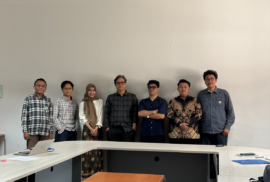
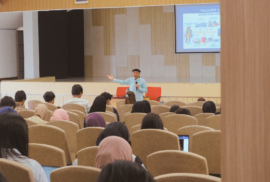
The Department of Anthropology at Universitas Gadjah Mada (UGM) hosted a visiting lecture titled “Empowering Whom, Changing What? Politics, Rights, and the Challenges of Coastal, Fisherfolk, and Island Community Empowerment in Indonesia.” The event took place on Friday, October 23, 2026, from 09:00 to 11:30 Western Indonesia Time (WIB) at the 3rd Floor Auditorium of the Poerbatjaraka Building, Faculty of Cultural Sciences (FIB) UGM.

The guest lecture featured Dr. Dedi Supriadi Adhuri, a researcher from the Research Center for Society and Culture at the National Research and Innovation Agency (BRIN) Semarang, as the speaker. Open to the general public, the event was attended by students, lecturers, researchers, and individuals interested in maritime issues, with support from the Indonesian Anthropological Association (AAI).

The event was held in recognition of coastal communities, fisherfolk, and island populations as vital pillars of Indonesia’s identity as a maritime nation. However, these groups continue to face various economic, social, and ecological vulnerabilities. Challenges include limited access to marine resources, shifting policies, and unequal bargaining power. Through an anthropological lens, these issues are viewed not merely as technical problems, but as matters of social justice and the respect for community rights.

In his presentation, Dr. Dedi invited participants to examine maritime life in Indonesia, particularly the conditions of coastal and fishing communities. According to him, these groups are inextricably linked to the politics of empowerment and structural challenges in their struggle to survive while defending their rights. Questions such as “empowering whom and changing what” serve as an entry point to reevaluate existing empowerment programs—ranging from who truly benefits and how community rights are recognized, to the obstacles still faced on the ground.

This guest lecture format provided a platform for direct dialogue with an experienced researcher in maritime studies. Furthermore, the event strengthened the network between UGM, BRIN, and AAI in advancing anthropological studies in Indonesia. Through this initiative, the Department of Anthropology at FIB UGM hopes to foster critical awareness and concern among academics and the public regarding equitable empowerment for Indonesia’s coastal, fisherfolk, and island communities. The discussions are expected to equip students with perspectives and research that champion community interests.


Author: Aisyah Alya Muztahid

BERKAWANT 2026 Finale—The Cultural Anthropology Department’s Orientation Program for New Undergraduate Students

News Release Monday, 19 October 2026

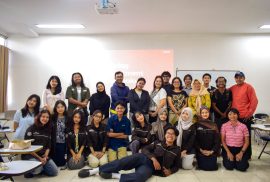
Yogyakarta, October 4, 2026 —The Cultural Anthropology Department’s orientation program for new undergraduate students (BERKAWANT), which had been running for 5 (five) weeks, finally reached its final day—the culmination and closing event of the series—held at the Faculty of Cultural Sciences, Gadjah Mada University, from 1:00 PM to 9:00 PM, attended by the academic community of the Cultural Anthropology Department.

BERKAWANT began on August 23, 2026, as an orientation to introduce the dynamics of Cultural Anthropology at the Faculty of Cultural Sciences, Gadjah Mada University, under the theme “Jumpa Maba” (New Student Gathering), led by Cultural Anthropology faculty members, including Dr. Agung Wicaksono, S.Ant., M.A., Head of the Department of Anthropology at UGM, followed on August 29 by a seminar titled “Rembukant,” which explored the scope of Anthropology as both a discipline and a practice, featuring Dr. Sita Hidayah, S.Ant., M.A., Chair of the Cultural Anthropology Undergraduate Program. Also related to the world of literature, on September 12, a “WKP” Writing Workshop was held, facilitated by Dr. Muhammad Zamzam Fauzanafi, S.Ant., M.A. The insights gained over the following weeks were applied through field research on campus and showcased at the Faculty of Cultural Sciences, Gadjah Mada University, as part of the BERKAWANT series—specifically the “Pamerant” exhibition, which ran for five consecutive days with a shift system organized by research theme groups. The event concluded with the BERKAWANT culminating ceremony.

The BERKAWANT culminating event featured a program meticulously prepared by the organizing committee, comprising various activities aligned with reflective cultural studies—one of which was a journey through “ant” stations themed around the 10 cultural elements identified by Prof. Drs. Heddy Shri Ahimsa -Putra, M.A., M.Phil., Ph.D. There was also a symbolic induction of new students through a ritual depicting the journey of life, followed by an awards ceremony to recognize specific participants throughout the BERKAWANT event. Participants included not only new students and committee members but also several alumni and faculty members.


Author: Syafina Kamilya

Thesis Proposal Seminar for Graduate Students in Cultural Anthropology

News Release Tuesday, 6 October 2026

Yogyakarta, September 29, 2026—A thesis proposal seminar for graduate students in the Cultural Anthropology program was held at the Soegondo Building, Faculty of Cultural Sciences, Gadjah Mada University, from 1:00 p.m. to 3:00 p.m. Six students presented their proposals, grouped under the theme “Capturing Lives,” with Dr. Muhammad Zamzam Fauzanafi, S.Ant., M.A., Ph.D., serving as the faculty coordinator for this seminar cluster.

The theses presented by the students covered a wide range of regions across the archipelago, starting with those located closest to Yogyakarta: “Walking Ethnography on the Temporality of Smell at Giwangan Central Market,” “The Transformation of the Makaryo Adi Ngayogyakarta Waste Pickers’ Community into the Makaryo Adi Katon Waste Processing Cooperative: A Case Study of the Community Support Group of the Muhammadiyah PP Community Empowerment Council in the Piyungan TPST Area,” and “Evaluation of Community Capacity in Tourism Village Management through an Empowerment Evaluation Approach: A Study in Padukuhan Nganggring, Sleman.” Moving on to the island of Kalimantan, there are studies titled “A Long and Windy Road: The Sensory Verite Approach in the Production of a Documentary Film on Former Political Prisoners on Buru Island” and “Encountering the Invisible: Spirits and Besiak Rituals through Sensory Verite Documentary,” followed by a study set on Lombok Island titled “The Institutionalization of Customary Law: The Role of the Majelis Emban Adat (MANDAT) in Ecological Compromise in Bayan Village, North Lombok.”

Since the thesis proposal seminar is the first step in the research process, the students still have a long journey ahead of them to complete their projects. Following the thesis proposal seminar, the students will conduct a more in-depth analysis of their research materials and receive guidance from their assigned advisors.


Author: Syafina Kamilya

Strengthening Academic Governance and Inclusivity: Hearing Department of Cultural Anthropology UGM 2026

News Release Thursday, 30 July 2026

On Thursday, 18 June 2026, the Cultural Anthropology Student Family (KEMANT) of Universitas Gadjah Mada held its annual Hearing Department event in Room 201 of the Poerbatjaraka Building, Faculty of Cultural Sciences (FIB) UGM, Yogyakarta. Running from 1:00 PM to 3:00 PM WIB, the interactive dialogue was hosted by MC [Name] and moderated by Dionysius Nugroho Danumurti. The session was attended by student representatives across various cohorts alongside faculty members, including Agung Wicaksono, Sita Hidayah, Agus Indiyanto, Mubarika Dyah Fitri Nugraheni, Suzie Handajani, Atik Triratnawati, and Elan Lazuardi. The forum served as a communicative platform to gather, review, and address critical student feedback ranging from academic affairs and curriculum management to student organization governance and campus facility availability.

Through a presentation of pre-collected feedback slides, students highlighted several key issues affecting their daily learning environment. Core discussions focused on the disproportionate workload for introductory courses, course quota limitations during course registration (“War KRS”) that disadvantage internal anthropology students, clarity regarding the role and responsiveness of teaching assistants, and the need for greater transparency in grading. In response, the department welcomed the input constructively and committed to using these written recommendations as an official framework to push for policy improvements at both the faculty and university levels. Beyond classroom learning, the department outlined the strategic reasoning behind rescheduling the Integrated Fieldwork (TPL) to mid-year, primarily to mitigate the risks of natural disasters and extreme weather conditions typically affecting research sites toward the end of the year.

In addition to academic topics, the forum addressed physical infrastructure and internal organizational management. Students emphasized the importance of enhancing building accessibility for individuals with disabilities, reconfiguring classrooms to better facilitate group discussions, creating safe and comfortable public spaces, and optimizing place-of-worship facilities within the faculty grounds. Meanwhile, KEMANT officers took the opportunity to present a transparent financial report of the organization’s funds and introduced an updated leadership election mechanism designed to be more democratic, open, and accountable to all members.

The implementation of this participatory forum aligns closely with the Sustainable Development Goals (SDGs) within higher education. First, it directly advances SDG 4 (Quality Education) through a sustained commitment to improving teaching quality, ensuring fair curriculum adjustments, and fostering a conducive learning environment. Second, the emphasis on providing disability-friendly and fully accessible campus facilities reflects a concrete effort to support SDG 10 (Reduced Inequalities). Lastly, the hearing embodies SDG 16 (Peace, Justice, and Strong Institutions) by establishing a transparent, accountable, and responsive institutional governance framework for the entire academic community.

Author: Zayyan Faadia Ayutty

Visit of the Faculty of Ushuludin, Adab, and Humanities of UIN Salatiga to FIB UGM

HEADLINESNews ReleaseSDGs 17: Partnerships for the GoalsSDGs 4: Quality Education Thursday, 8 May 2025

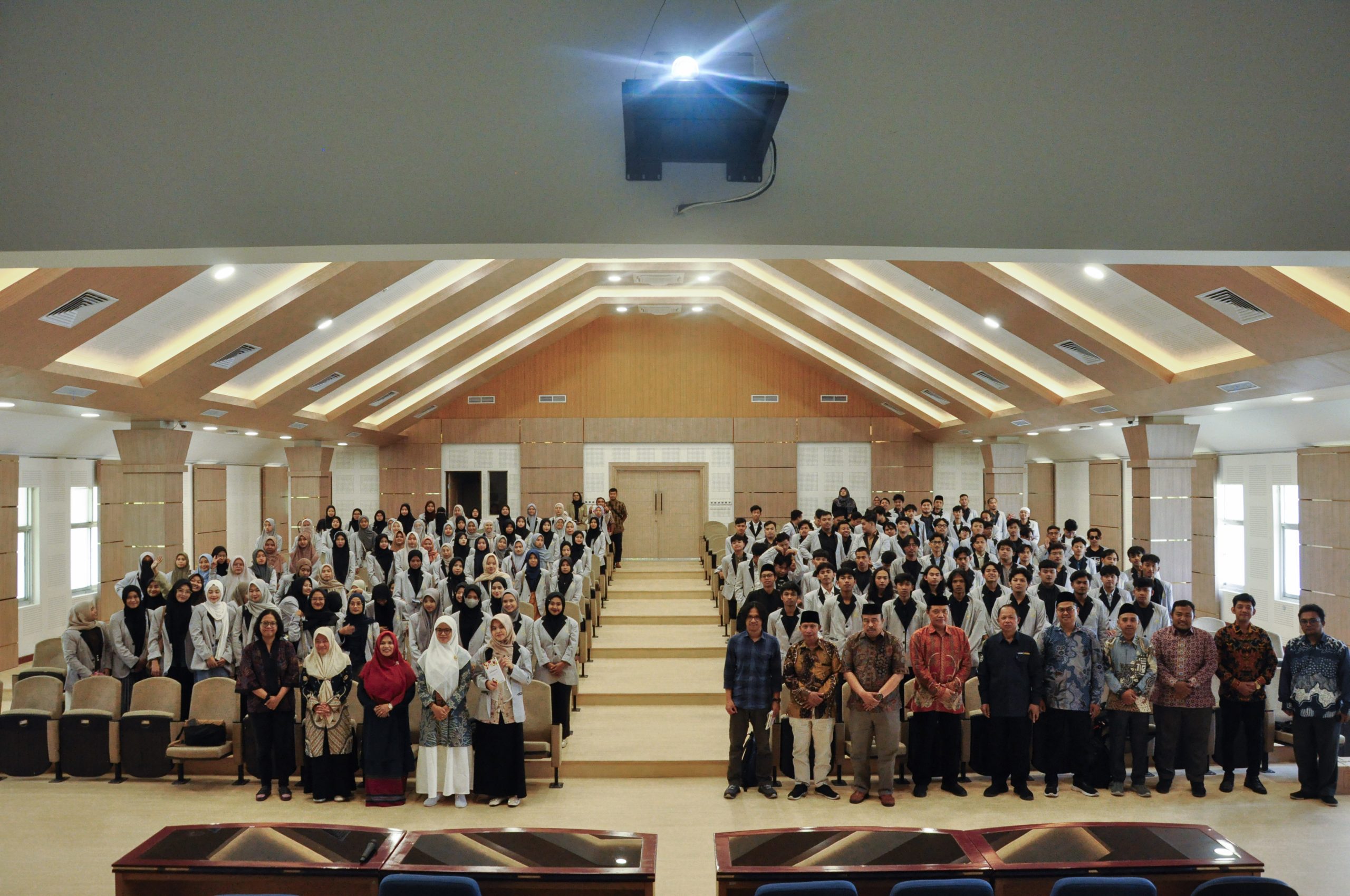
Yogyakarta, 7/5/2025 – Faculty of Ushuludin, Adab, and Humanities of UIN Salatiga made a significant visit to the Faculty of Cultural Studies (FIB) at Gadjah Mada University (UGM). The event took place in the Auditorium Margono and was attended by students from various programs, including Quranic Studies, Arabic Literature, and Islamic Theology and Philosophy. The primary aim of this visit was to gain insights into the curriculum and learning methodologies of the Cultural Anthropology and Middle Eastern Studies programs at FIB UGM.

The event commenced with an opening ceremony that set a warm and collaborative tone for the day. The opening remarks highlighted the importance of educational partnerships and the role of civil society in fostering academic exchanges. This aligns with the Sustainable Development Goals (SDGs), particularly in promoting quality education and partnerships for the goals.

Following the opening, a representative from UIN Salatiga, Prof. Dr. Mubasirun, M.Ag., delivered a welcoming speech. He emphasized the significance of collaboration between institutions and the sharing of knowledge, which is essential for enhancing educational quality. His remarks resonated with the audience, underscoring the importance of civil society partnerships in achieving educational objectives.

The Faculty of Cultural Studies at UGM was represented by Prof. Dr. Sangidu, M.Hum., who also provided a welcoming address. He expressed his enthusiasm for the visit and the potential for future collaborations. His speech highlighted the importance of cultural studies in understanding diverse perspectives, which is crucial in today’s globalized world.

The first session of the event focused on Cultural Anthropology, presented by Dr. Elan Lazuardi, M.A. He provided an overview of the program, discussing its curriculum and the methodologies employed in teaching. The session was interactive, with students engaging in a Q&A session, allowing them to delve deeper into the subject matter and clarify their queries.

Following the discussion on Cultural Anthropology, the second session was dedicated to Middle Eastern Studies (KBTT). Dr. Mahmudah, M.Hum., led this session, providing insights into the unique aspects of the program. The students from UIN Salatiga were particularly interested in the comparative studies and cultural exchanges that the program offers, which are vital for understanding the complexities of the Middle Eastern region.

The event fostered an environment of sharing and learning, with students from both institutions exchanging ideas and experiences. This interaction not only enriched their academic knowledge but also strengthened the bonds between the two faculties, paving the way for future collaborations.

As the event drew to a close, the participants expressed their gratitude for the opportunity to learn from one another. The closing remarks emphasized the importance of continued partnerships in education, which is essential for achieving the SDGs related to quality education and fostering inclusive and equitable learning opportunities.

In conclusion, the visit of the Faculty of Ushuludin, Adab, and Humanities of UIN Salatiga to FIB UGM was a successful event that highlighted the importance of educational collaboration. It served as a platform for knowledge exchange and reinforced the commitment of both institutions to work together in promoting quality education and cultural understanding.

[Public Relation Faculty of Cultural Sciences, Bulan Churniati]

1234

Video UGM

[shtmlslider name='shslider_options']
Universitas Gadjah Mada

Faculty of Cultural Sciences
Universitas Gadjah Mada
Jl. Nusantara 1, Bulaksumur Yogyakarta 55281, Indonesia
   fib@ugm.ac.id
   +62 (274) 513096
   +62 (274) 550451

Work Units

  • Office of Journal & Publishing
  • INCULS
  • Information Technology and Database
  • Language Learning Center
  • Library Unit
  • Public Relations
  • Research

Facilities

  • Computer Laboratory
  • Gamelan
  • Guest House
  • Language Library
  • Library
  • Phonetics Library
  • Self Access Unit
  • Student Internet Centre

Importan Links

  • Journal of Humaniora
  • Subscriber Journal
  • Alumni Portal
  • Career
  • Departmens News
  • UGM Streaming

Contacts

  • Academic
  • Administration
  • Dean’s Office
  • Departments / Study Programs
  • Public Relations

© 2024 Faculty of Cultural Sciences Universitas Gadjah Mada

KEBIJAKAN PRIVASI/PRIVACY POLICY

[EN] We use cookies to help our viewer get the best experience on our website. -- [ID] Kami menggunakan cookie untuk membantu pengunjung kami mendapatkan pengalaman terbaik di situs web kami.I Agree / Saya Setuju