
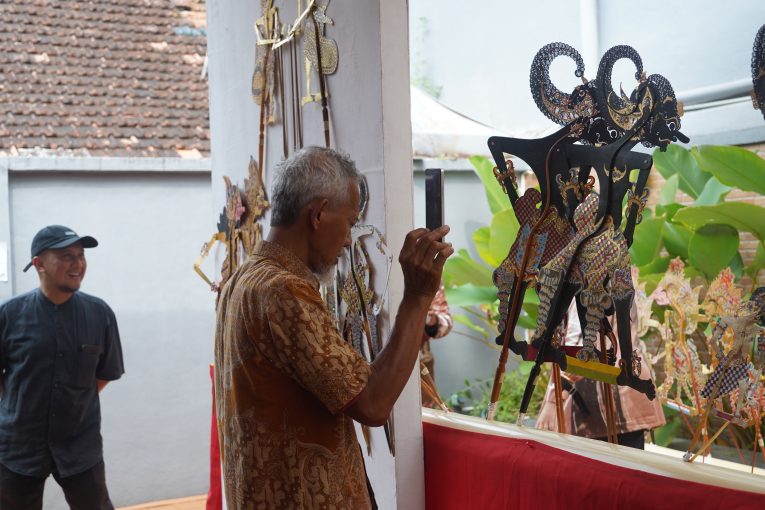
Yogyakarta, May 21, 2026 – The Faculty of Cultural Sciences (FIB) at Universitas Gadjah Mada (UGM) is hosting a Wayang Exhibition and Bazaar from Thursday to Saturday, May 21 to 23, 2026. Held at the UGM Center for Javanese Studies (Pusaka Jawa), this event is part of the Gadjah Mada Wayang Festival 2026 series and also commemorates the 80th anniversary (Dies Natalis) of FIB UGM.
The exhibition is organized as part of the implementation of the EQUITY program by the Indonesia Endowment Fund for Education (LPDP). This year, the festival adopts the main theme “Kita. Butuh. Wayang.” (We. Need. Wayang.). This theme carries a profound meaning regarding cultural preservation efforts that must work in synergy with the empowerment of the artisan community behind it.
Through the Gadjah Mada Wayang Festival 2026, FIB UGM builds a balanced synergy between UGM’s academic thought and the heartbeat of wayang artisans in Butuh Hamlet, Sidowarno, Klaten Regency. Based on this event concept, the organizers issued a cultural proclamation through their official statement.
During the three-day exhibition, visitors can attend from 9:00 AM to 4:00 PM WIB to enjoy various cultural educational showcases. The exhibition features several exploration areas, including the Photo Exhibition Zone, the Wayang Bazaar Zone, and the Audio-Visual Zone, which specifically screens the “Butuh Documentary.”
In the Wayang Display Zone, the organizers showcase various highly artistic panels and puppet characters. The works presented to the public include the Ramayana Panel, Arjuna Wiwaha, Dewaruci, Wirata Parwa, Sembadra Larung, Bhagavad Gita, and the figure of Mahapatih Gadjah Mada.
Ultimately, this Wayang Exhibition and Bazaar underscores the importance of safeguarding civilizational heritage while advancing the grassroots economy. The direct involvement of local artisans ensures that the wheels of the village-level creative economy keep turning alongside the preservation of tradition. This concrete step serves as a vital foundation for building a community that is economically independent and resilient in maintaining its cultural identity amidst changing times.
[Public Relations of FIB UGM, Candra Solihin]
