SDGs 12: Konsumsi dan produksi yang bertanggung jawab
On Monday, September 28, 2026, participants in the Malako Kociak residency held a series of
knowledge-sharing events on the seventh floor of the Soegondo Building at the Faculty of Cultural
Sciences, UGM. These events took place through various formats: a residency exhibition, board game sessions, zines, and cultural discussions. The researchers in this residency included Ulima Nabila Adinta, Afifah Golda A., Muhammad Ade Putra, Brilliant Dwi Izzulhaq, and Yuniardo M. Alvarres, who also served as the photographer for the research project. They conducted a one-week research residency with the Kanagarian Malako Kociak Indigenous Community, located in Tanjung Beringin Village, Kampar Kiri Hulu Subdistrict, Kampar Regency, Riau Province. As part of the series of events held on the seventh floor, the first activity organized was a board game session.
The five participants in the first session played together on a map depicting a natural landscape,
specifically the area around a river. A guide provided instructions on how to play the game. The five participants played intensely for about an hour, until the participants of the second session arrived at the game location. After an hour, the players switched, and the participants from the first session were guided to watch the exhibition explanation led by the guide. The exhibition took place in front of Room Soegondo 709, featuring multi-exposure photographs printed on fabric, photographs printed on small pieces of paper, several figurines, and a piece of fabric imprinted with fish-like textures.
The guides explained the context behind the photographs—such as the relationship between the
Malako Kociak community and fish and the water, their interactions with the datuks whose portraits were displayed on the fabric, and the activities of the children there. “This is the favorite datuk of the residency participants, but if you were to chat with him for two nights, the conversation might not even be over,” remarked Muhammad Ade Putra, pointing to a photo of one of the featured datuks. In addition to the photo and visual exhibition, the researchers also provided a zine that can be accessed both in person and online as another means of disseminating knowledge. In this way, the Malako Kociak residency participants demonstrated that knowledge dissemination can be carried out in a multidisciplinary manner.
Author: Leonard Dimas
Photo Contributor: Leonard Dimas
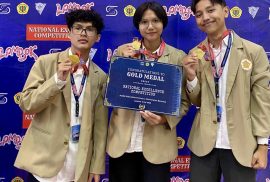
Good news comes from three undergraduate students in Cultural Anthropology at the Faculty of Humanities, UGM, who achieved a proud accomplishment at the 2026 National Excellence Competition (NEC). The NEC was organized by Eduhub Incubator in collaboration with Mataram University. The competition took place on May 9–10, 2026, at the Faculty of Agriculture, Mataram University, Lombok, West Nusa Tenggara. The team, consisting of Dinaesy Fadillah Hidayat, Aly Aydeed, and Nadila Aryani Az-Zalfa, won a Gold Medal in the Tourism and Creative Economy Research Essay category under the guidance of Agus Indiyanto, S.Sos., M.Si.
The competition’s theme was “Integrating Critical Thinking, Social Innovation, and Sustainable Entrepreneurial Capabilities within the Framework of Inclusive Development and Achieving the SDGs in Indonesia.” In their paper, the team addressed the issue of event management and tourism waste in Yogyakarta, which is still considered a challenge in supporting sustainable tourism.
As a solution, the team proposed an innovation in the form of a circular economy-based event management agency. This concept is designed to integrate event management with waste reduction and reuse systems, thereby creating a more environmentally friendly event ecosystem while supporting the creative economy sector in a sustainable manner.
It is hoped that this achievement will motivate other students to remain critical of phenomena occurring in society, to present innovative ideas, and to contribute to addressing various social issues through research and academic work that has a positive impact on the community.
Author: Dewi W – adapted from a report by Dinaesy Fadillah Hidayat
Photo: Dinaesy Fadillah Hidayat et al.
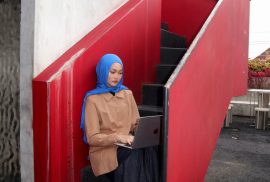
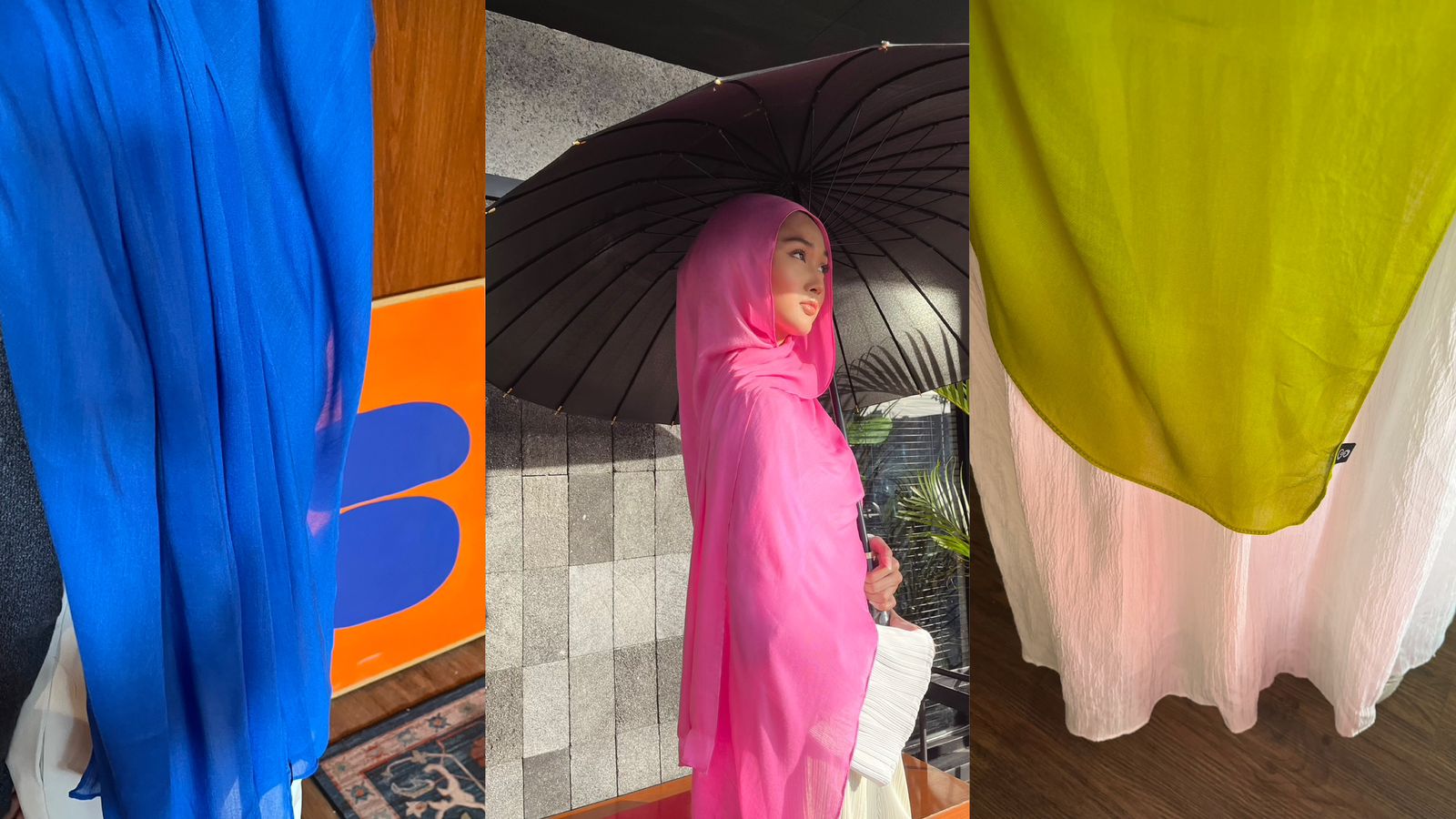
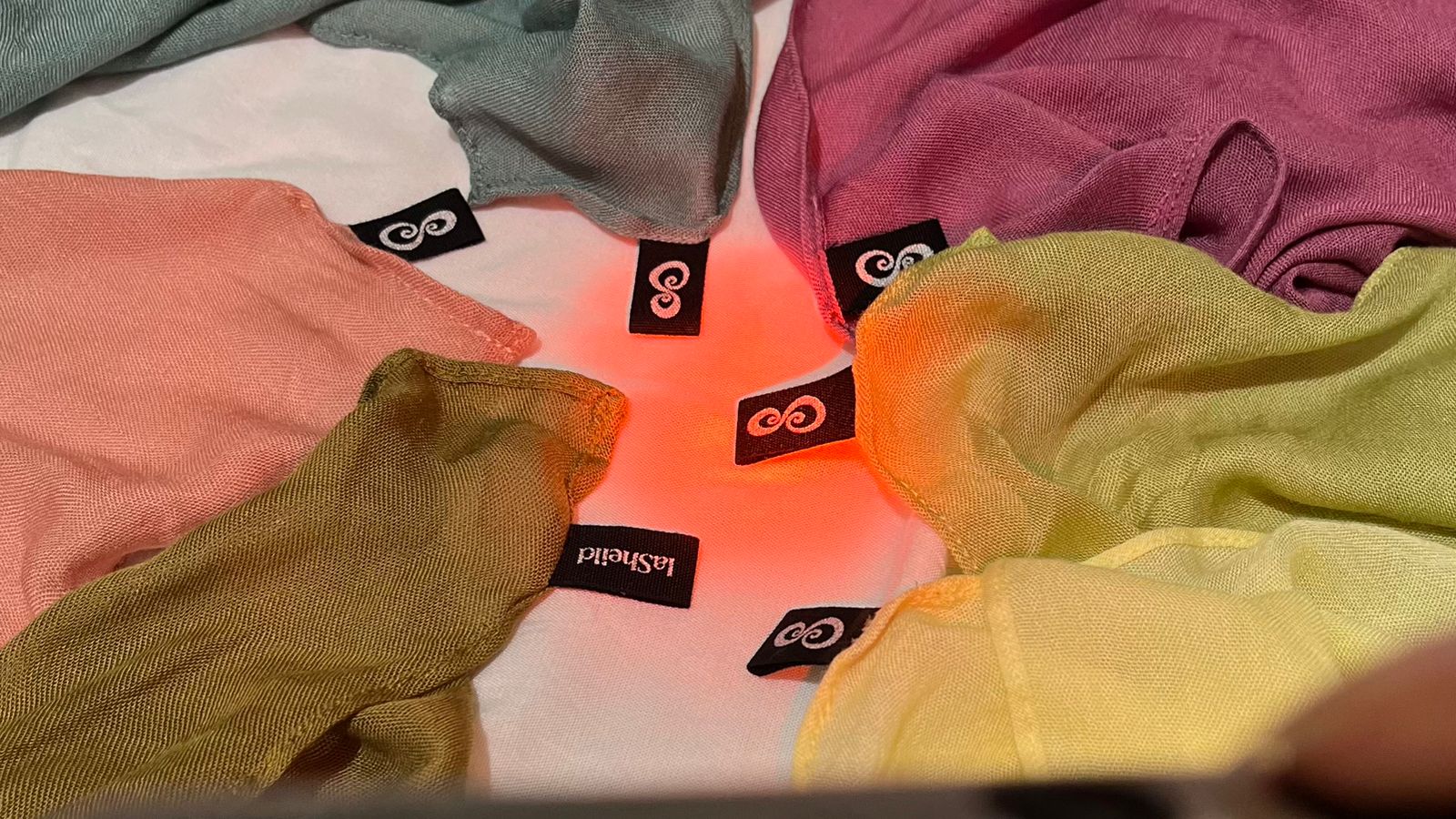
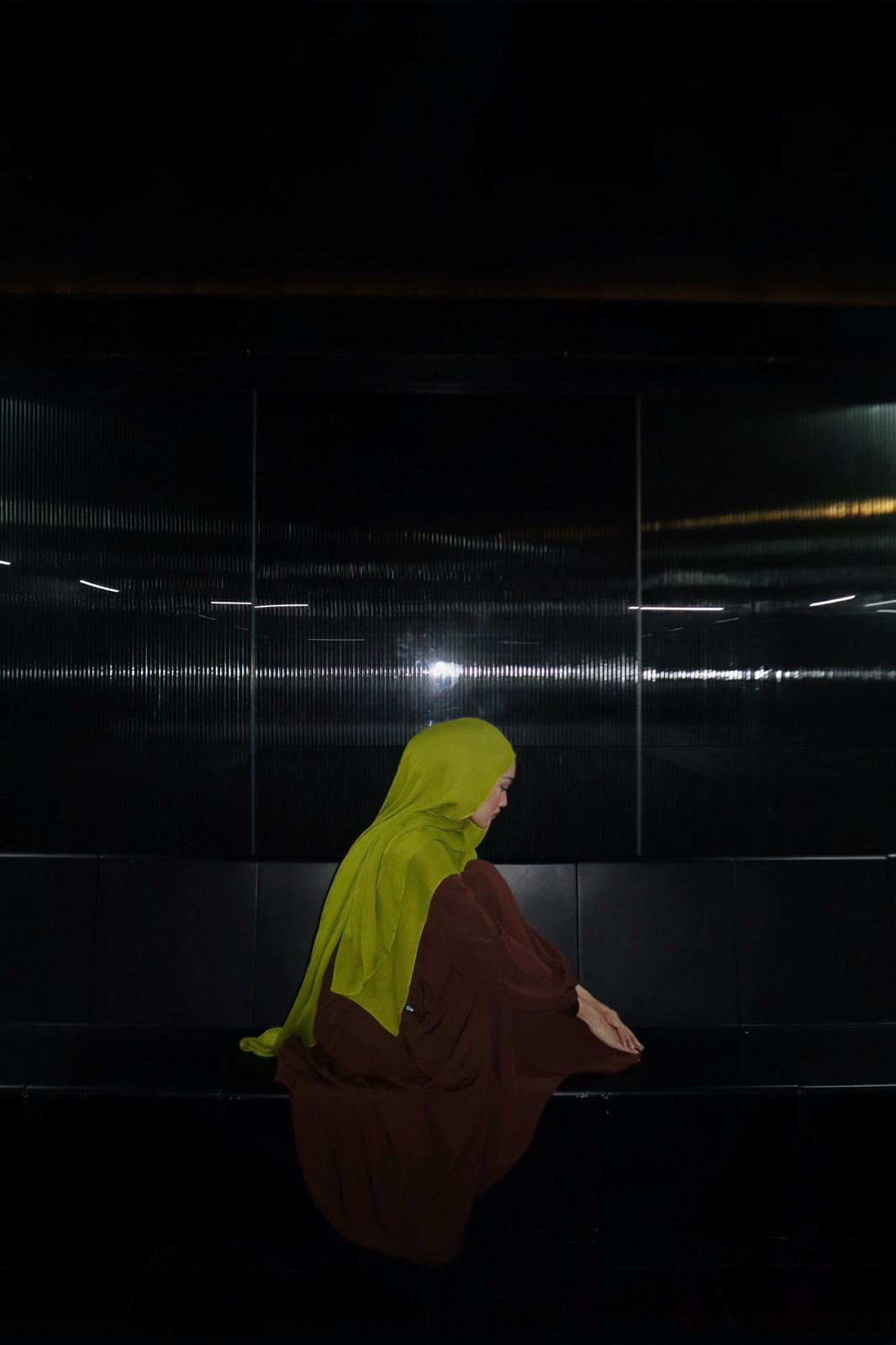
Yogyakarta, January 26, 2025 — Shela Azzahra, a 2023 student of the English Literature Study Program, demonstrates that the creativity of students at the Faculty of Cultural Sciences (FIB), Universitas Gadjah Mada, does not grow solely within classroom walls but can also transform into entrepreneurial innovation. Through her hijab brand, laSheild, Shela presents a local hijab alternative characterized by bold and vibrant colors that dare to stand out in Indonesia’s hijab market.
Shela’s interest in building a hijab business stemmed from both personal needs and her restlessness as a creative individual with a strong passion for fashion exploration. She often found it difficult to discover brightly colored hijabs in the local market, which is generally dominated by neutral and earth-tone shades. To achieve her desired look, Shela previously had to purchase overseas products at higher prices due to shipping costs and import taxes. This experience sparked the idea of creating a local hijab product that is reasonably priced, high in quality, and easily accessible.
“Why not make it myself?” This thought became the starting point for laSheild, which now carries the tagline “Vibrant hues. Born in colors.” The brand seeks to fill a gap in the local hijab market while encouraging hijabi women to be more playful and confident in expressing themselves through color. Although Shela initially hesitated and produced only a limited stock, market responses exceeded expectations. The high demand indicates that Indonesian hijabi women have a strong desire to express their identity and personality through color choices. This enthusiasm has even opened opportunities for international expansion, leading laSheild to consider overseas shipping.
Behind her achievements, Shela faces significant challenges as an active student and a solopreneur. “The main challenge is balancing my dual roles as a full-time student and a solopreneur. From the very beginning, I handled everything on my own without a team. Since my priority is still my studies, laSheild cannot operate every day. The challenge is trying not to burn out and accepting that this business runs alongside my academic rhythm, not in competition with it. Sometimes 24 hours just aren’t enough, especially during exam periods and peak sales seasons. That’s why I avoid selling during exams,” she explained.
In managing her time, Shela applies a “no pressure” principle. Rather than setting burdensome sales targets, she adjusts her business pace to align with her academic commitments. Support from her surrounding environment—particularly friends who assist with promotion and content creation—has also played a crucial role in sustaining laSheild.
Shela’s journey aligns with the implementation of the Sustainable Development Goals (SDGs), particularly SDG 4 (Quality Education) through the development of students’ creative and entrepreneurial skills, SDG 8 (Decent Work and Economic Growth) by encouraging young entrepreneurs and the creative economy, and SDG 12 (Responsible Consumption and Production) through the promotion of sustainable and affordable local products.
Closing her story, Shela shared a brief message for FIB students who aspire to start a business. “Just try. Don’t be afraid to be different. Don’t be afraid to start something that seems niche. Start small, but dream big,” she said. The story of laSheild proves that creativity, courage, and consistency can pave the way for students to create meaningful work while contributing to society.
[FIB UGM Public Relations, Alma Syahwalani]
Yogyakarta, 15 December 2025 – The Archaeology Study Program of the Faculty of Cultural Sciences (FIB), Universitas Gadjah Mada, held the Archaeopreneur Bazaar as part of the fulfillment of the Final Semester Examination (UAS) assignment for the Archaeopreneur course. The course is taught by Sektiadi, S.S., M.Hum., a lecturer in Archaeology at FIB UGM, and aims to encourage students to develop creativity and an entrepreneurial mindset grounded in archaeological knowledge.
The bazaar featured eight booths representing student groups enrolled in the Archaeopreneur course. Each group showcased a variety of locally produced creative items, including bag charms, tumblers, scarves, illustrated pins, bags, and many other products. These creations not only emphasized aesthetic value but also embodied philosophical meanings inspired by cultural values.
Through this activity, students were trained to transform archaeological knowledge into creative products with both commercial and educational value. The Archaeopreneur Bazaar served as a contextual learning space that bridges academic studies and entrepreneurial practice, enabling students not only to understand theory but also to apply it in real-world contexts.
This activity aligns with the spirit of the Sustainable Development Goals (SDGs), particularly Goal 4 on Quality Education through the strengthening of practice-based learning and student creativity. In addition, the bazaar supports SDG Goal 8 on Decent Work and Economic Growth by fostering young entrepreneurship, as well as Goal 12 on Responsible Consumption and Production through the development of local products that prioritize cultural values and sustainability.
[Public Relations of FIB UGM, Alma Syahwalani]