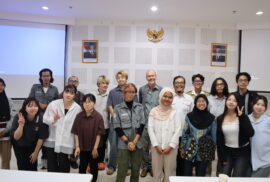
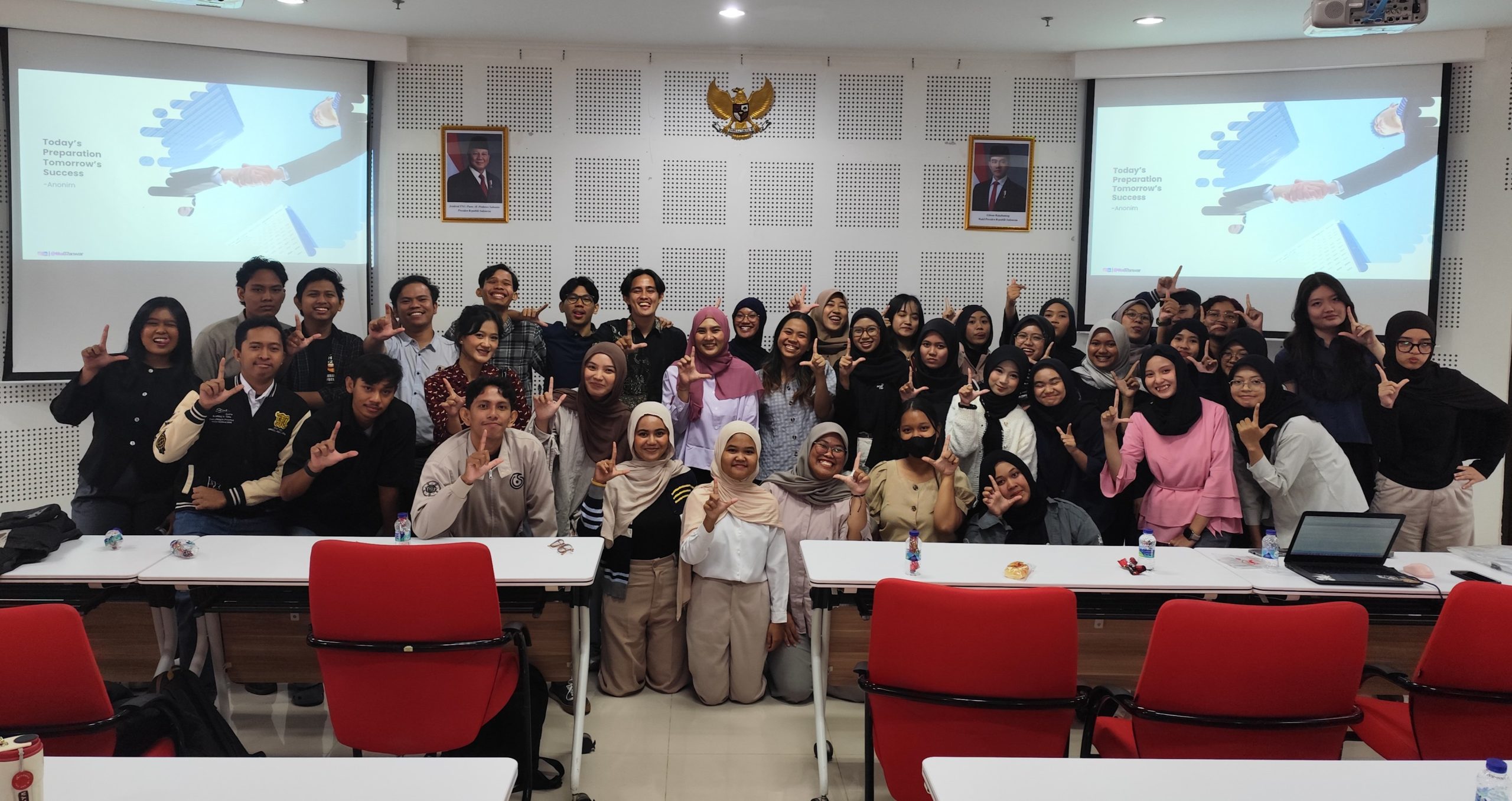
Stefani Adelia Tiurma Mukti from the Department of Archaeology at Universitas Gadjah Mada (UGM), in collaboration with Fadel Ilham Dzulkarnain from the Multimedia Engineering Technology program at Politeknik Elektronika Negeri Surabaya (PENS), has introduced an innovative framework for cultural heritage preservation. Presenting at the interdisciplinary iCAST-SS 2026 conference held in Surabaya on October 9–10, 2026, the duo unveiled their research titled “From Prediction to Preservation: An Explainable AI and WebGIS Framework for Simulated Archaeological Heritage Conservation in Trowulan, Indonesia.” Their study focuses on the historical Trowulan site in East Java, a vital zone containing the grand remains of the ancient Majapahit Kingdom, proposing a digitally simulated approach to its ongoing conservation planning.
This interdisciplinary research merges Explainable AI (XAI) and Web-based Geographic Information Systems (WebGIS) to transform conventional archaeological mapping into transparent and precise spatial predictive models. By utilizing Explainable AI, the framework ensures that machine learning predictions are fully interpretable, giving experts clear insights into the environmental and historical factors driving the model’s outputs. Simultaneously, the WebGIS platform serves as an accessible digital interface that visualizes spatial analysis in real time. This synergy successfully bridges the gap between traditional archaeological spatial context and advanced computational data handling, offering a highly communicative tool for heritage management.
Although currently structured around a simulated environment, this pioneering research opens up new avenues for modernizing cultural site management across Indonesia. The findings set the foundation for future field validation and algorithmic refinements, aiming toward real-world applications that can assist policymakers and conservationists in making data-driven decisions. Through their participation in iCAST-SS 2026, Stefani and Fadel demonstrate the powerful potential of cross-disciplinary collaboration—uniting the humanities with technology—to effectively address the complex challenges of preserving cultural heritage in the modern era.
Author : Muhammad Irsyad
Photo Credits: Stefani Adelia Tiurma Mukti