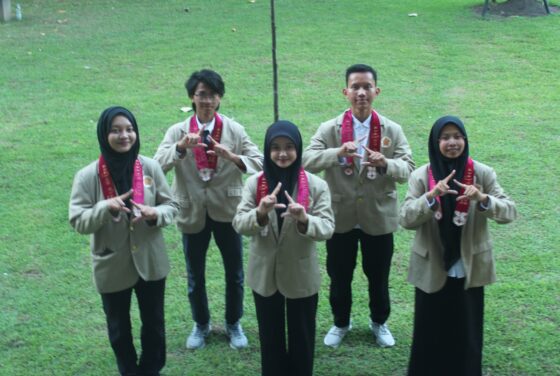
YOGYAKARTA (07/09)—Sasmita Lindhu, Tim Program Kreativitas Mahasiswa bidang Riset Sosial Humaniora (PKM-RSH) Universitas Gadjah Mada tengah melakukan riset terhadap manuskrip Jawa untuk mentransformasi kesiapsiagaan gempa melalui pendekatan ethno-seismology. Sasmita berarti ...
Baca Selengkapnya
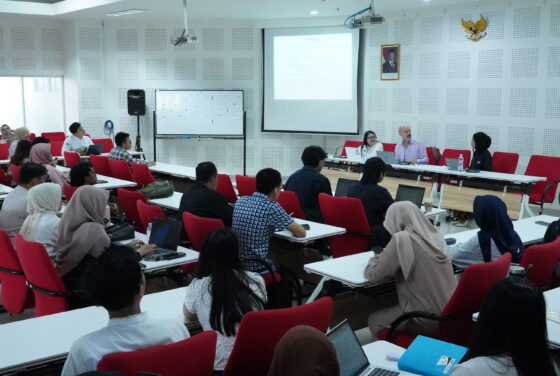
Pada Senin, 7 September 2026, Magister Linguistik menyelenggarakan Ceramah Pakar bertajuk Politik Bahasa. Adapun acara ini merupakan bagian dari rangkaian acara Konferensi Internasional Kajian Linguistik dan Temu Alumni yang diselenggarakan ...
Baca Selengkapnya
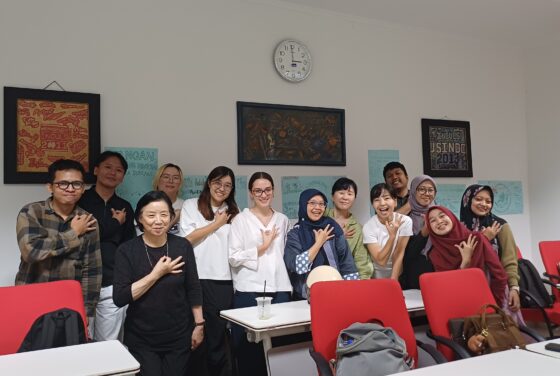
Pembelajaran mata kuliah Pemerolehan Bahasa Kedua pada Program Magister Linguistik, Fakultas Ilmu Budaya, Universitas Gadjah Mada, menghadirkan pengalaman belajar yang tidak hanya berbasis teori, tetapi juga memberikan kesempatan kepada mahasiswa ...
Baca Selengkapnya
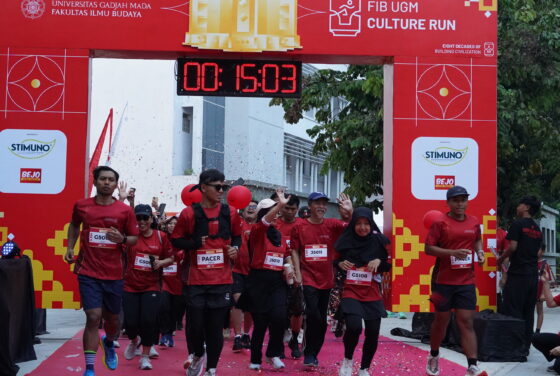
Fakultas Ilmu Budaya Universitas Gadjah Mada sukses menggelar Culture Run pada Sabtu, 22 Agustus 2026. Kegiatan ini merupakan bagian dari rangkaian perayaan Dies Natalis ke-80 FIB UGM yang diselenggarakan bertepatan ...
Baca Selengkapnya
Rilis Berita
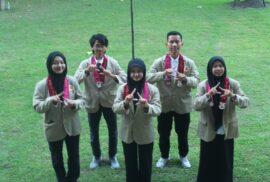
Saat Babad Menjadi Data: Mahasiswa UGM Gali Jejak Gempa Yogyakarta dari Manuskrip Jawa
07 September 2026
YOGYAKARTA (07/09)—Sasmita Lindhu, Tim Program Kreativitas Mahasiswa bidang Riset Sosial Humaniora (PKM-RSH) Universitas Gadjah Mada tengah melakukan riset terhadap manuskrip Jawa untuk mentransformasi kesiapsiagaan gempa melalui pendekatan ethno-seismology. Sasmita berarti ...
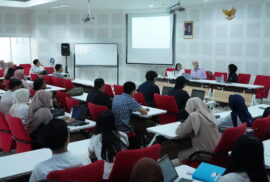
Jelang Konferensi Internasional, Magister Linguistik Gelar Ceramah Pakar bertajuk Politik Bahasa
07 September 2026
Pada Senin, 7 September 2026, Magister Linguistik menyelenggarakan Ceramah Pakar bertajuk Politik Bahasa. Adapun acara ini merupakan bagian dari rangkaian acara Konferensi Internasional Kajian Linguistik dan Temu Alumni yang diselenggarakan ...
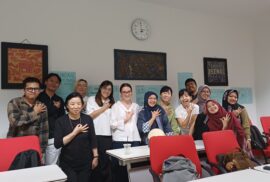
Mahasiswa Magister Linguistik Memraktikkan Pemerolehan Bahasa Kedua melalui Kelas Percakapan bersama Mahasiswa Asing
07 September 2026
Pembelajaran mata kuliah Pemerolehan Bahasa Kedua pada Program Magister Linguistik, Fakultas Ilmu Budaya, Universitas Gadjah Mada, menghadirkan pengalaman belajar yang tidak hanya berbasis teori, tetapi juga memberikan kesempatan kepada mahasiswa ...
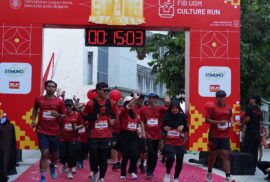
Gelorakan Semangat Dies Natalis ke-80, FIB UGM Sukses Gelar Culture Run Bertepatan Dengan Hari Keluarga 2026
04 September 2026
Fakultas Ilmu Budaya Universitas Gadjah Mada sukses menggelar Culture Run pada Sabtu, 22 Agustus 2026. Kegiatan ini merupakan bagian dari rangkaian perayaan Dies Natalis ke-80 FIB UGM yang diselenggarakan bertepatan ...
Pranala


Terakreditasi Oleh: