
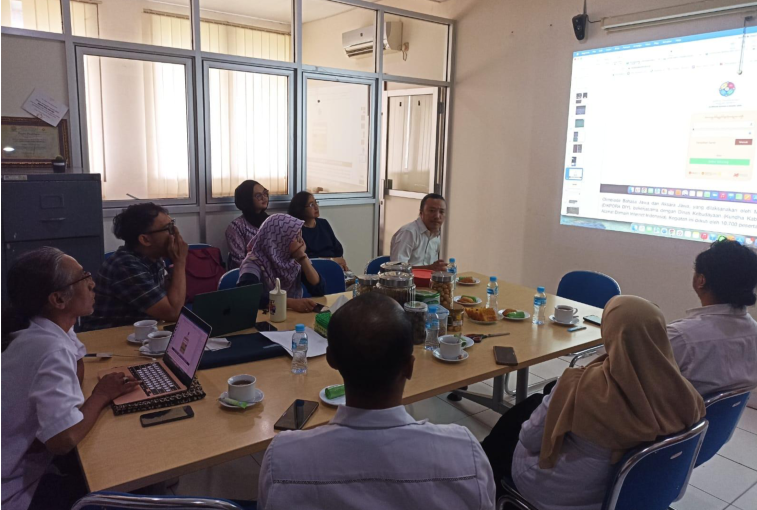
Yogyakarta, April 22, 2026 — The Javanese Language, Literature, and Culture Study Program, Faculty of Cultural Sciences, Universitas Gadjah Mada, held a Javanese script font socialization event in Room Margono 402. This event was aimed at faculty and student representatives as an effort to increase understanding of the use of Javanese script in the digital realm.
This socialization was motivated by various obstacles faced by the academic community in using Javanese script fonts. Some of the problems that frequently arise include differences in keyboard layouts compared to the Latin alphabet, font illegibility on certain devices, indicated by the appearance of a tofu symbol or a box (an illegible sign), and differences in compatibility between keyboard layouts, such as Windows and Macintosh. These conditions are considered to hinder the use of Javanese script, even though this script plays a vital role in cultural studies and preservation within the study program.
To address this issue, this event featured Setya Amrih Prasaja, S.S., M.Pd., an alumnus of the Javanese Language, Literature, and Culture Study Program, known as the developer of digital Javanese script fonts. Representatives from the Yogyakarta Special Region Cultural Office (Kundha Kabudayan) also attended the event, demonstrating their support for cultural preservation efforts through technology.
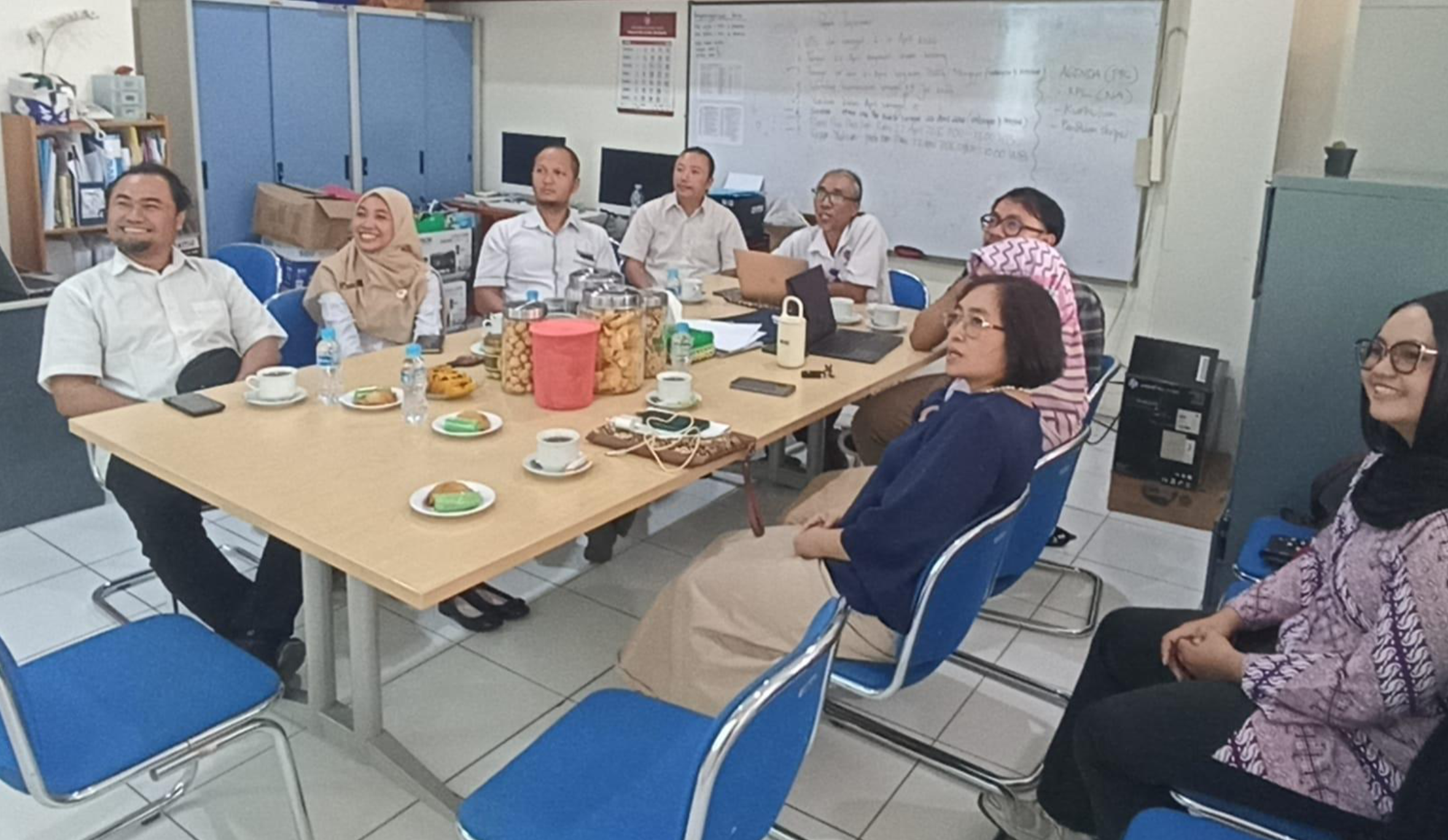
In his presentation, the speaker explained the process of developing Javanese script fonts and keyboard layouts, including the technical challenges faced in implementing them across various platforms. He also outlined the steps for introducing digital Javanese script at the national and international levels, as well as developing a system that can be operated on various devices. Furthermore, participants were introduced to several Javanese script fonts that are freely accessible without licensing constraints.
Through this activity, participants are expected to gain a more comprehensive understanding of the use of Javanese script keyboards and fonts in a digital context. Furthermore, this outreach is expected to encourage the dissemination of knowledge to the academic community and a wider audience, as part of efforts to preserve and strengthen the existence of Javanese script in the digital era.
Author : Haryo Untoro
Editor : Haryo Untoro
