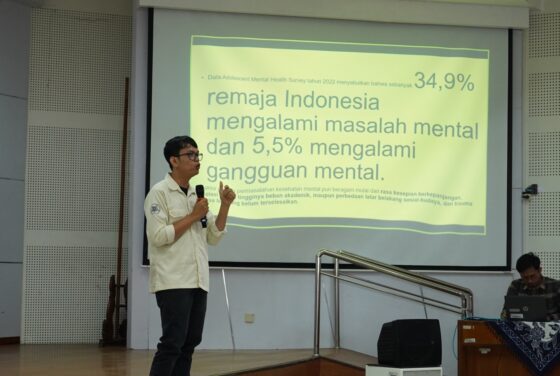
Fakultas Ilmu Budaya Universitas Gadjah Mada (FIB UGM) menggelar Kuliah Perdana Program Sarjana Tahun Akademik 2026/2027 pada Selasa (18/8). Acara yang berlangsung di ruang utama Auditorium Soegondo FIB UGM ini ...
Baca Selengkapnya
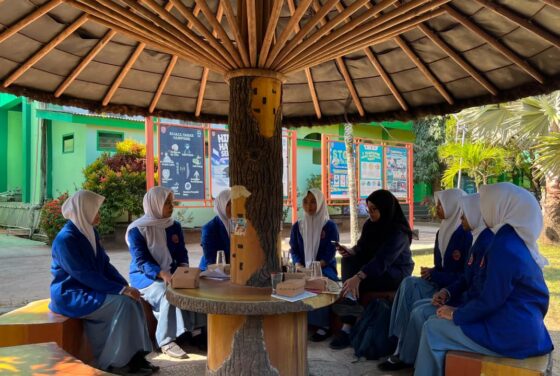
Yogyakarta, 22 Juli – 5 Agustus 2026. Program Studi Sastra Inggris FIB UGM telah melaksanakan serangkaian kegiatan dalam rangka program Pengabdian kepada Masyarakat (PkM) pada akhir bulan Juli sampai dengan ...
Baca Selengkapnya
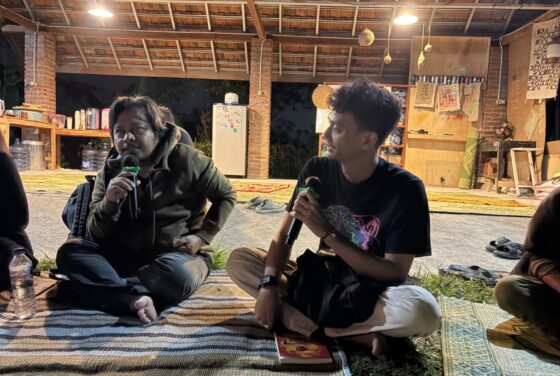
Yogyakarta — Malam di Pondok A. Salam, Kalimasada, menjadi lebih hangat ketika sesi Unggunan Cerita menghadirkan penulis Mahfud Ikhwan dalam rangkaian Kemah Sastra bersama Alam-Semesta 2026. Dalam suasana santai dan ...
Baca Selengkapnya
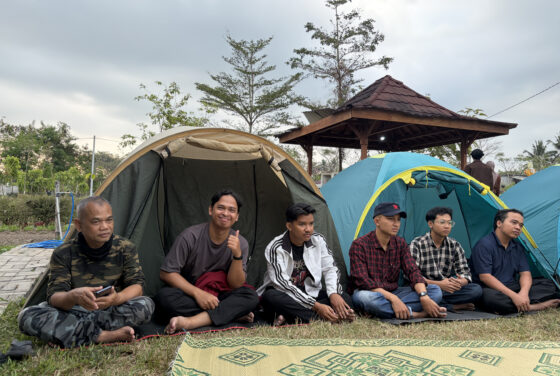
Yogyakarta— Magister Sastra Fakultas Ilmu Budaya Universitas Gadjah Mada (UGM) menggelar Kemah Sastra bersama Alam-Semesta 2026 di Pondok A. Salam, Kalimasada, pada Jumat (14/8) hingga Sabtu (15/8). Mengusung semangat pengabdian ...
Baca Selengkapnya
Rilis Berita
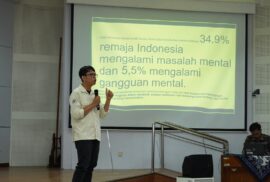
Kuliah Perdana Program Sarjana FIB UGM 2026: Tanamkan Empati dan Etika Lewat “Be Kind: Because ‘Just Kidding’ Isn’t Always Kind”
27 Agustus 2026
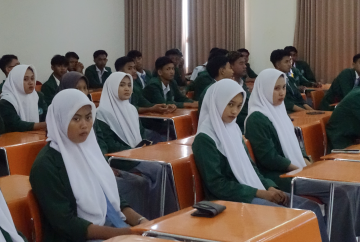
Fakultas Ilmu Budaya Universitas Gadjah Mada (FIB UGM) menggelar Kuliah Perdana Program Sarjana Tahun Akademik 2026/2027 pada Selasa (18/8). Acara yang berlangsung di ruang utama Auditorium Soegondo FIB UGM ini ...
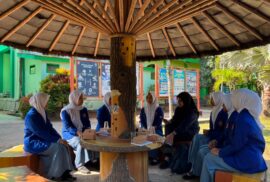
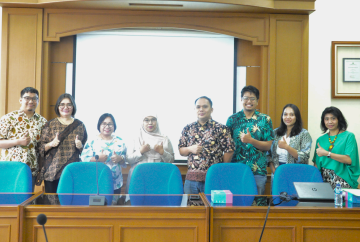
Yogyakarta, 22 Juli – 5 Agustus 2026. Program Studi Sastra Inggris FIB UGM telah melaksanakan serangkaian kegiatan dalam rangka program Pengabdian kepada Masyarakat (PkM) pada akhir bulan Juli sampai dengan ...
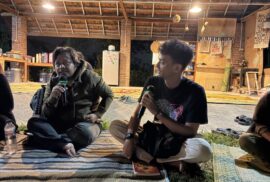
Unggunan Cerita: Di Balik Dapur Kreatif Mahfud Ikhwan
24 Agustus 2026
Yogyakarta — Malam di Pondok A. Salam, Kalimasada, menjadi lebih hangat ketika sesi Unggunan Cerita menghadirkan penulis Mahfud Ikhwan dalam rangkaian Kemah Sastra bersama Alam-Semesta 2026. Dalam suasana santai dan ...
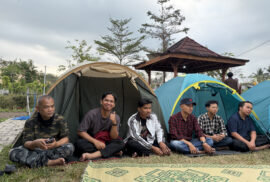
Menjaga Kemandirian dan Karakter Lewat Kemah Sastra
21 Agustus 2026
Yogyakarta— Magister Sastra Fakultas Ilmu Budaya Universitas Gadjah Mada (UGM) menggelar Kemah Sastra bersama Alam-Semesta 2026 di Pondok A. Salam, Kalimasada, pada Jumat (14/8) hingga Sabtu (15/8). Mengusung semangat pengabdian ...


Pranala


Terakreditasi Oleh: